
How to Get a Car Accident Diminished Value Settlement
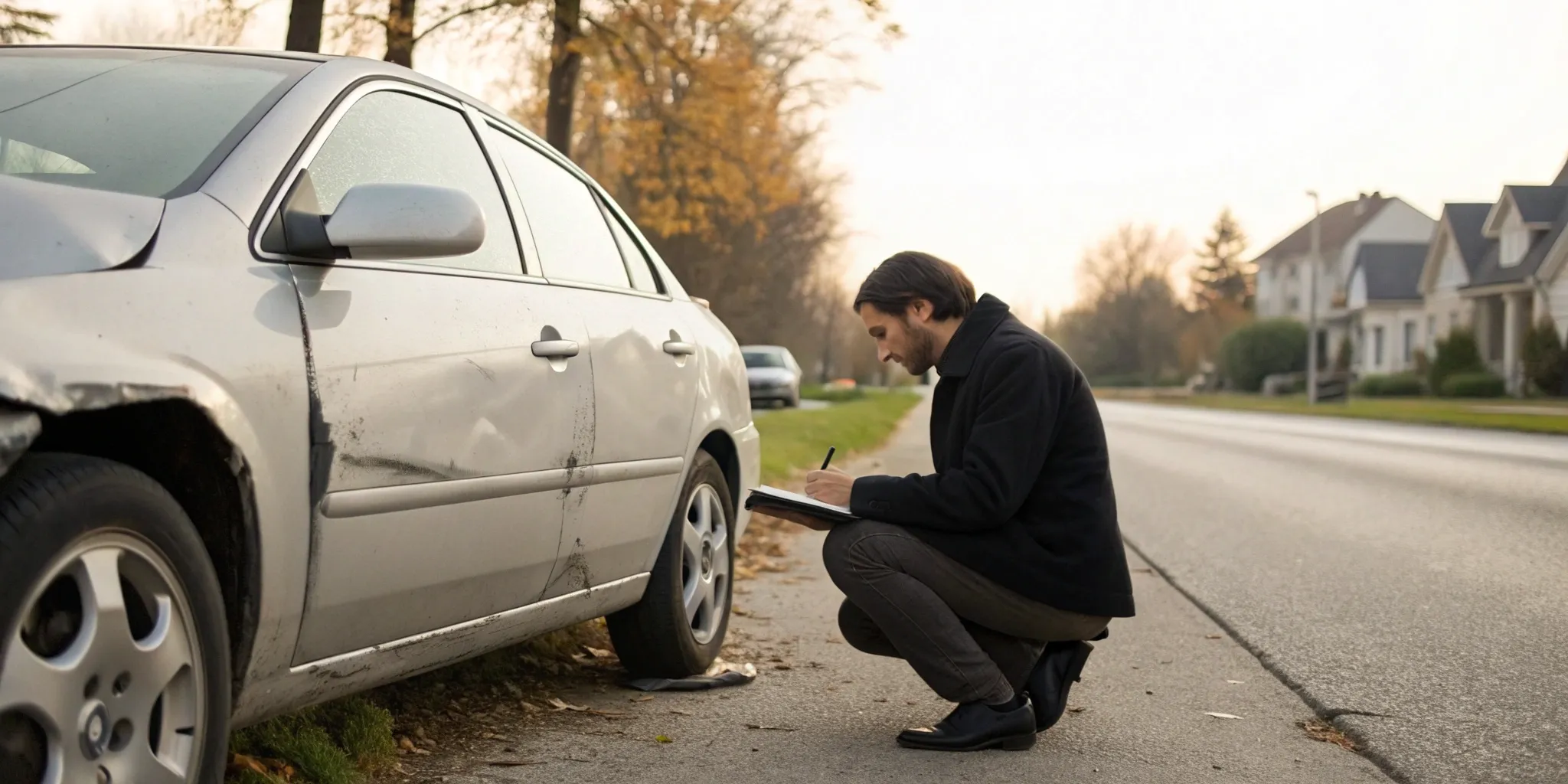
What Is Diminished Value After a Car Accident?
After a car accident, your first priority is getting your vehicle repaired. The insurance company pays the body shop, and your car looks as good as new. But there’s a hidden cost that the repair bill doesn’t cover: the loss of your car’s market value. This loss is called diminished value.
Think of it this way: your car was worth a certain amount right before the crash. Even with perfect repairs, it’s now worth less simply because it has an accident history. When you decide to sell or trade it in, a potential buyer will see the accident on a vehicle history report and won’t be willing to pay the same price as they would for an identical car with a clean record. That difference in what your car is worth now versus what it was worth pre-accident is its diminished value. It’s a real, tangible financial loss, and you have the right to be compensated for it. A diminished value claim is separate from the money paid for repairs; it’s designed to make you financially whole for the drop in your car’s resale value.
Your car has been repaired, but is your financial situation truly back to where it was before the accident? If you only received money for the repairs, the answer is no. Even with perfect fixes, your car now has an accident on its record, permanently lowering its resale value. That difference in price is a tangible loss, and the at-fault party’s insurance is responsible for covering it. The burden of proof, however, falls on you. You have to be the one to demand this compensation and provide clear evidence of your loss. We’ll show you exactly how to do that, from gathering the right paperwork to presenting your case for the car accident diminished value settlement you deserve.
Key Takeaways
- Repairs Don’t Restore Full Value: Your car’s accident history permanently lowers its resale price, a loss known as diminished value. Georgia law gives you the right to demand compensation for this financial damage from the at-fault driver’s insurance.
- Prove Your Loss with an Expert Appraisal: Don’t rely on the insurer’s biased formula. The most effective way to establish your car’s true loss in value is by presenting a detailed report from a certified, independent appraiser.
- Challenge Lowball Offers and Denials: An insurer’s first offer is a starting point designed to save them money, not the final word. Be prepared to counter their arguments with your own evidence, and consider legal help to level the playing field.
The Different Types of Diminished Value
Diminished value isn’t just one single concept; it breaks down into a few categories. The most common type you’ll encounter is inherent diminished value. This is the automatic loss in value that happens the moment your car gets an accident history. Even if a top-tier body shop performs flawless repairs, the stigma of having been in a wreck sticks to your vehicle, making it less desirable to future buyers.
Two other types exist as well. Repair-related diminished value occurs when the repairs themselves are subpar. This could mean using aftermarket parts instead of original manufacturer parts, a mismatched paint job, or other signs of a poor-quality fix. Finally, there’s immediate diminished value, which is the difference in value right after the accident but before any repairs have been made. However, inherent diminished value is the basis for most claims.
Why This Claim Matters for Your Final Settlement
Filing a diminished value claim is about recovering the money you’ve lost. Without it, you are the one who absorbs the financial hit when it’s time to sell or trade in your car. The insurance company’s job is to restore you to the financial position you were in before the accident, and that includes accounting for your vehicle’s lost market value, not just fixing the dents and scratches.
This claim is a critical part of your final settlement because insurance companies rarely offer to pay it voluntarily. You have to proactively demand it and provide proof of your loss. Pursuing this claim ensures you receive the full compensation you’re entitled to. It’s not about getting extra money—it’s about getting back what the accident took from you. Properly handling these property damage claims is key to protecting your investment.
How to Calculate Your Car’s Diminished Value
Figuring out exactly how much value your car has lost can feel like a guessing game, but it doesn’t have to be. While the insurance company has its own way of calculating this number, their method is designed to protect their bottom line, not yours. Understanding how they arrive at their figure—and knowing there’s a more accurate way to assess your loss—is the first step toward getting the full amount you’re owed. Let’s break down the common formula insurers use and compare it to a more effective approach for proving your car’s true diminished value.
The Insurance Company’s Method: Formula 17c
Insurance companies often rely on a calculation known as Formula 17c. It starts by finding your car’s market value through a source like Kelley Blue Book. Then, they apply a 10% cap, meaning they won’t pay more than 10% of your car’s pre-accident value, regardless of the actual loss. Finally, they apply a “damage multiplier” to reduce that amount even further based on the severity of the damage. This formula is a quick and easy way for them to standardize claims, but it rarely reflects the real-world loss you’ll face when you try to sell or trade in your vehicle.
A Better Way: The Professional Appraisal Approach
Instead of accepting the insurance company’s formula, you can get a much more accurate picture of your loss by hiring an independent appraiser. A certified expert will conduct a thorough evaluation of your vehicle, considering its condition, repair quality, and local market data to determine its true post-repair value. This professional appraisal report serves as powerful, unbiased evidence of your financial loss. It moves the conversation away from a generic formula and focuses on the specific details of your car, giving you a solid foundation for your claim and strengthening your negotiating position.
Using Market Data to Prove Your Loss
Ultimately, the responsibility falls on you to prove how much your car’s value has dropped. The insurance adjuster won’t do this work for you. To build a strong case, you need to gather compelling evidence that clearly demonstrates your financial loss. This includes detailed photos of the damage before repairs, the official accident report, all repair invoices, and most importantly, a professional appraisal report. Presenting this complete package of documentation shows the insurer you’ve done your homework and are serious about receiving fair compensation for your property damage claim.
Can You File a Diminished Value Claim in Georgia?
Yes, you absolutely can file a diminished value claim in Georgia. Our state is one of the few that legally recognizes your right to be compensated for this specific loss. However, your ability to file a successful claim hinges on a few key factors, starting with who was responsible for the accident. Understanding these rules is the first step toward getting the full settlement you deserve.
Who’s at Fault vs. Who Can File
The most important factor in a Georgia diminished value claim is fault. In nearly all cases, you can only file a claim against the insurance company of the driver who caused the accident. If you were the one at fault, you generally cannot claim diminished value from your own insurance policy. This is why it’s so critical to establish fault clearly from the beginning. The claim is made against the at-fault driver’s property damage liability coverage. So, if another driver hits you, their insurance is on the hook for the drop in your car’s market value, not just the cost of repairs.
What Georgia Law Says About Eligibility
The good news for Georgia drivers is that the law is on your side. Georgia law explicitly recognizes that a vehicle’s value decreases after it’s been in an accident, even if the repairs are perfect. This legal precedent gives you a solid foundation to demand compensation. Because the at-fault driver is legally responsible for making you “whole” again after an accident, that responsibility extends beyond fixing the dents and scratches. It includes compensating you for the inherent loss of value your car now carries due to its accident history. This is a right you have as a vehicle owner in our state.
What Paperwork Do You Need to File Your Claim?
When you file a diminished value claim, the insurance company isn’t just going to take your word for it. The responsibility falls on you to prove how much value your car has lost, and that requires solid evidence. Think of yourself as building a case—the more organized and thorough your documentation is, the stronger your position will be. A stack of well-organized paperwork shows the insurance adjuster you’re serious and have done your homework. It’s the best way to counter their attempts to undervalue your loss.
Getting your documents in order from the very beginning can make a huge difference in the outcome of your claim. It prevents last-minute scrambling and ensures you have everything you need to support your argument. We’ll walk through the key pieces of paperwork you’ll need, from the official reports to the photos that tell the story of your car’s damage. With the right documentation, you can confidently present a claim that’s hard for any insurer to ignore. Gastley Law can help you with all of our legal services.
The Essential Documents to Gather
Let’s get your file started. The first thing you’ll want is the official police accident report. This document is a neutral, third-party account of the incident and is crucial for establishing the facts. Next, gather all repair-related paperwork. This includes the initial estimates you received from body shops and, most importantly, the final, itemized invoice from the shop that completed the repairs. This bill details exactly what was fixed and replaced, which is key to proving the severity of the damage. Finally, have copies of your vehicle’s title and registration handy to prove ownership.
Why You Need a Professional Appraisal
This is your most powerful tool. While you can gather market data on your own, a report from a certified, independent appraiser carries significant weight. Insurance companies have their own methods for calculating diminished value, which, unsurprisingly, tend to favor them. An independent appraisal provides an unbiased, expert opinion on your vehicle’s specific loss in value. This report gives you serious leverage during negotiations, transforming your claim from a simple request into a well-supported demand. It’s a critical investment in getting the full amount you’re owed for your car’s diminished value.
How to Document Damage with Photos
A picture is worth a thousand words, especially when it comes to car damage. If you can, start taking photos right at the accident scene, capturing the position of the cars and the surrounding area. Get detailed, clear shots of the damage to your vehicle from multiple angles—stand back for wide shots and get close for the details. Don’t stop there. Document the repair process if possible, and take photos of the car after the repairs are complete. This visual evidence creates a clear timeline and helps prove the extent of the structural and cosmetic work that was required. If you have questions about your specific case, feel free to contact us.
How to File Your Diminished Value Claim
Filing a diminished value claim might seem complicated, but it boils down to a few key steps. The process requires you to be organized and proactive, but getting the settlement you deserve is absolutely worth the effort. It starts with knowing who to contact and how to build a strong case with solid proof. Remember, the goal is to clearly demonstrate the financial loss you’ve suffered due to the accident, and the insurance company will expect you to prove it. Let’s walk through exactly how to get started.
Step 1: Contact the Insurance Company
Your first move is to notify the insurance company that you intend to file a diminished value claim. If another driver was at fault for the accident, you’ll file the claim with their insurance provider, not your own. This is known as a third-party claim. When you call, be clear and direct. State that your vehicle has been repaired but has still lost value because of its accident history, and you are seeking compensation for that loss. The insurance adjuster will likely open a file for your claim. This initial contact gets the ball rolling and officially puts the insurer on notice.
Step 2: Present Your Evidence
This is where you build your case. The responsibility is on you to prove how much value your car has lost, so you need to come prepared with strong evidence. The most critical piece of evidence is a professional appraisal from a certified expert who specializes in diminished value. An independent appraisal carries much more weight than just your own estimate or a generic online calculator. Along with the appraisal report, gather all your repair records, the police report from the accident, and clear before-and-after photos of your vehicle. Submitting a complete, well-organized packet of evidence shows the insurer you’re serious and makes your claim much harder to dismiss.
Important Timelines and Deadlines to Know
Don’t wait too long to file your claim. Every state has a legal deadline, called a statute of limitations, for filing property damage claims. Missing this deadline means you lose your right to pursue compensation forever. In Georgia, you generally have four years from the date of the accident to file your claim. While that might sound like a lot of time, evidence can get lost and details can fade. It’s always best to start the process as soon as your vehicle repairs are complete. If you’re getting close to the deadline or have questions about your specific situation, it’s a good idea to contact an attorney to make sure your rights are protected.
Why Insurance Companies Push Back on Claims
It can feel incredibly frustrating when an insurance company, which is supposed to help after an accident, seems to be working against you. The reality is that insurance companies are for-profit businesses, and their primary goal is to protect their bottom line. Paying out the full amount for every claim, including diminished value, directly impacts their profits. Because of this, they have developed entire systems and playbooks designed to minimize how much they pay on every single claim that crosses their desk. This isn’t personal; it’s just their business model. But that doesn’t make it any less stressful when you’re the one trying to get fair compensation for your damaged vehicle.
This inherent conflict of interest is at the heart of why so many people struggle to get what they’re owed. The insurer’s ideal outcome is for you to accept their first, low offer without question. They might hope you don’t know your rights, are too intimidated to negotiate, or will simply give up if they create enough hurdles. This doesn’t mean your claim is invalid or that you should walk away. It simply means you’re entering a negotiation where the other side has a lot of experience paying as little as possible. Understanding their common tactics, how their adjusters operate, and what to do when they push back is the first step toward building a strong case and recovering the money you’re rightfully owed. Knowing what to expect can help you stand firm and effectively counter their arguments.
Common Tactics Insurers Use to Pay Less
Insurance companies often rely on a few common arguments to reduce or deny diminished value claims. One of the most frequent is claiming that high-quality repairs have completely restored your car to its pre-accident condition and value. While the car might look and drive well, this ignores the simple market reality that a vehicle with an accident history is inherently worth less to a potential buyer. They may also intentionally delay the process, hoping you’ll get tired of waiting and accept a lowball offer or abandon the claim altogether. Don’t be surprised if they try to pressure you into a quick, low settlement before you’ve had time to get an independent appraisal.
How Adjusters Really Evaluate Your Claim
When an insurance adjuster evaluates your claim, they aren’t an impartial third party. They are an employee whose job is to resolve the claim for the lowest possible cost to their company. Many insurers use a standard calculation called “Formula 17c” to determine diminished value. This formula starts by capping the potential loss at 10% of the car’s pre-accident value and then applies modifiers for damage and mileage that further reduce the payout. This method almost always results in an offer that is far below your vehicle’s actual loss in market value. Their initial offer is a starting point, not the final word, and it’s based on a formula that serves their interests, not yours.
What to Do About Denials and Lowball Offers
Receiving a denial or a shockingly low offer is disheartening, but it’s often part of the process. Your first move should be to not accept it. Instead, respond in writing with your own evidence, including a professional, independent appraisal that shows the true diminished value. If the insurance company still refuses to offer a fair amount, it’s time to consider getting help. An experienced attorney can challenge their biased formulas and unfair tactics. Fighting a large insurance corporation on your own is tough, but legal representation shows them you are serious about your claim. If you’re ready to fight back, you can contact us for a thorough case evaluation.
What Affects Your Settlement Amount?
When you file a diminished value claim, the settlement amount isn’t just a random number the insurance company pulls out of a hat. It’s a calculated figure based on several key factors that prove your vehicle lost real, tangible market value because of the accident. Understanding what goes into this calculation is the first step toward building a strong claim and ensuring you get the full compensation you deserve. Three of the most significant factors are your car’s stats, the severity of the damage, and its popularity on the open market.
Your Vehicle’s Age, Mileage, and Condition
It makes sense that a newer car with low mileage will suffer a greater loss in value than an older, well-used vehicle. Think about it: a two-year-old SUV with 25,000 miles has a much higher starting market value than a 10-year-old sedan with 180,000 miles. Because the newer car has more value to lose, its diminished value will be higher after a collision. The insurance adjuster will also look at the car’s condition right before the accident. Were there already dents, scratches, or interior stains? Any pre-existing wear and tear will be factored in, which is why having a clean, well-maintained vehicle helps strengthen your claim.
The Severity of the Accident and Repair Quality
A minor fender-bender is very different from a collision that causes structural damage. The more severe the accident, the greater the diminished value. This is because a vehicle history report will now permanently show significant repairs, like frame straightening or airbag deployment. Even if the repairs are perfect and the car looks brand new, potential buyers will be hesitant to pay top dollar for a vehicle with a serious accident in its past. This stigma is what causes the drop in value. The goal of our legal representation is to recover that loss for you, bridging the gap between what your car was worth and what it’s worth now.
Current Market Demand for Your Car
How popular was your specific make and model before the crash? The market demand for your vehicle plays a surprisingly important role in your settlement. A sought-after truck or a popular family SUV that holds its value well will generally have a stronger diminished value claim than a less popular sedan that depreciates quickly. To prove this, we look at real-world market data, analyzing what similar cars were selling for in your area right before the accident occurred. This provides concrete evidence of your car’s pre-accident value. If you need help gathering this information, don’t hesitate to contact our team for a case evaluation.
Common Myths About Diminished Value Claims
When you’re trying to get fair compensation after an accident, the last thing you need is bad information. Unfortunately, there are a lot of myths floating around about diminished value claims that can stop people from getting the money they’re owed. These misconceptions often come from insurance companies who would rather not pay, or from well-meaning friends who just don’t know the facts.
Let’s clear up some of the most common myths. Understanding the truth can make a huge difference in how you approach your claim and the final settlement you receive. We’ll walk through why perfect repairs don’t erase the financial loss, whether your car’s price tag matters, and what happens if you were partially at fault for the accident. Knowing these facts will put you in a much stronger position when dealing with the insurance adjuster.
Myth: Perfect Repairs Restore 100% of Your Car’s Value
This is one of the biggest and most costly myths. While a great body shop can make your car look brand new, it can’t erase the accident from its permanent record. The moment an accident is reported, it often shows up on vehicle history reports like CARFAX. When you go to sell or trade in your car, a savvy buyer will pull that report. Faced with two identical cars, they will almost always pay less for the one with an accident history.
That drop in resale price is the core of your claim. Diminished value is the difference between your car’s market value before the crash and its market value after repairs. The repairs fix the physical damage, but a diminished value claim compensates you for the financial damage.
Myth: Only Luxury Cars Qualify
It’s easy to assume that diminished value only applies to high-end or exotic cars, but that’s simply not true. Any vehicle can lose value after an accident. While the settlement amount might be higher for a newer, more expensive car, that doesn’t disqualify your reliable sedan, SUV, or truck.
The key factors are the vehicle’s age, mileage, pre-accident condition, and the extent of the damage—not its sticker price. A two-year-old Honda with significant frame damage will likely have a valid diminished value claim. The real question isn’t about the type of car you drive, but about how much its market value has dropped because of the accident history.
Myth: You Can’t File If You Were Partially at Fault
This is a critical point for Georgia drivers. Many people believe that if they share any blame for an accident, they can’t file a claim. In Georgia, that’s not necessarily the case. Our state follows a “modified comparative negligence” rule. This means you can still recover diminished value from the other driver’s insurance company as long as you are found to be less than 50% at fault.
Your settlement will be reduced by your percentage of fault. For example, if you were found to be 20% at fault, you could still claim 80% of your car’s diminished value. Determining fault can be complicated, which is why it’s helpful to get legal advice to understand your rights.
Do You Need an Attorney for Your Diminished Value Claim?
While you can technically file a diminished value claim on your own, the real question is whether you should. Going up against an insurance company can feel like an uphill battle. They have teams of adjusters and lawyers whose job is to protect their bottom line, which often means paying you as little as possible.
Having an experienced attorney on your side levels the playing field. They understand the tactics insurers use and know how to counter them effectively. Instead of you spending hours trying to figure out the process and arguing with adjusters, a lawyer handles the heavy lifting, so you can focus on getting back to your life. Think of it as bringing a professional to a negotiation where the other side is full of them.
When a Lawyer Can Help with a Complex Case
Diminished value claims can get complicated quickly. Insurance companies often fight them, arguing that their approved repairs made your car “good as new.” An attorney knows how to dismantle this argument by building a strong, evidence-based case for your car’s lost value. They can help you get an expert appraisal, gather the necessary documentation, and challenge the low offers that insurers frequently make. If the insurance company refuses to negotiate fairly, your lawyer will be prepared to take the next steps, including filing a lawsuit if necessary. This shows the insurer you are serious about getting the compensation you deserve for your diminished value.
How Legal Help Can Maximize Your Payout
The single biggest reason to hire an attorney is to ensure you get the full amount you’re owed. To approve your claim, you must effectively prove your car’s lost value, and an attorney knows exactly how to do that. A key part of this is getting a report from an independent, expert appraiser. This professional assessment provides a credible, unbiased calculation of your car’s diminished value, giving you powerful leverage when negotiating with the insurance company. With an expert handling your property damage claim, you’re much more likely to receive a fair settlement that truly reflects your financial loss, rather than accepting the first lowball offer the insurer throws your way.
Fighting Back When the Insurance Company Says No
It’s incredibly frustrating when an insurance company denies your claim or comes back with an offer that’s insultingly low. Many people feel stuck and simply give up at this point, which is exactly what the insurer hopes for. But a denial is not the final word. An attorney can review the insurance company’s reasoning, identify its weaknesses, and formulate a powerful response. If the insurer still won’t budge, your lawyer can file a lawsuit to pursue the full compensation you’re entitled to. Having legal representation signals to the insurance company that you won’t be pushed around. If you’re facing a denial, don’t hesitate to contact us for a professional case evaluation.
Related Articles
- Diminished Value Claims – Gastley Law Advocates
- What to Do: Disagree With a Car Damage Appraisal
- Our Services – Gastley Law
- Can You Reject a Total Loss Offer? A Simple Guide
- 7 Steps to Fight a Lowball Car Insurance Settlement
Frequently Asked Questions
Can I still file a diminished value claim if the accident was minor? Yes, you can. Even a minor collision that results in a police report and an insurance claim can create an accident history for your vehicle. While the settlement amount will naturally be less than for a major wreck, any documented accident can make your car less appealing to a future buyer. That difference in what someone is willing to pay is a real financial loss, and you have the right to be compensated for it.
Do I have to sell my car to prove its value has dropped? Not at all. The loss in value happens the moment the accident is recorded, not when you decide to sell. This is known as inherent diminished value—the automatic drop in market price simply because the car now has an accident history. A professional appraiser determines this loss by analyzing current market data for similar vehicles, so you can prove your financial loss without ever putting your car on the market.
What happens if the driver who hit me doesn’t have insurance? This is a challenging situation, but you may still have a path forward. If you have Uninsured Motorist (UM) coverage on your own auto insurance policy, you might be able to file a diminished value claim through it. It’s important to review your specific policy documents to understand your coverage limits and requirements, as these claims can be more complex than a standard third-party claim.
How long does a diminished value claim typically take to resolve? The timeline can vary widely depending on the complexity of the case and the responsiveness of the insurance company. A straightforward claim with strong evidence might settle in a few months. However, if the insurer pushes back, denies the claim, or makes very low offers, the negotiation process can extend the timeline. Having all your documentation prepared from the start can help move things along more efficiently.
Can I file a diminished value claim against my own insurance company? In almost all cases in Georgia, the answer is no. Your own collision coverage is designed to pay for the physical repairs to your vehicle, not for the loss of its market value. The right to claim diminished value is based on the at-fault party’s legal responsibility to make you financially whole. This is why the claim is filed against the at-fault driver’s property damage liability insurance.