
Frame Damage Diminished Value: A Georgia Guide

A vehicle with structural frame damage often loses nearly half of its trade-in value overnight. Even if a shop restores the car to factory specs, the accident history remains a red flag for future buyers.
Worried that frame damage reduced your vehicle’s value? Gastley Law can review your Georgia diminished value claim and help you push back against a low insurance offer.
Frame damage diminished value is the major drop in market worth that happens when a car’s skeleton is bent, crushed, or cut in an accident. Even when a skilled shop pulls the metal back into place, the structural safety profile is often changed for the life of the vehicle. This damage is a primary driver of financial loss because it stays on vehicle history reports and scares away dealerships and private buyers. Dealerships often offer 30-50% less for cars that have a recorded history of structural repairs even if they look like new. In Georgia, you have the legal right to seek payment for this loss through a diminished value claim against the at-fault driver’s insurance carrier.
Many drivers do not realize that the presence of a crash report can be just as costly as the wreck itself. You need to understand why frame damage can reduce value after repairs so you can fight for a fair settlement. The path begins with understanding how structural repairs affect buyer confidence, insurance valuation, and your vehicle history report.
Why frame damage can reduce value after repairs
Frame damage is one of the most serious types of car accident harm. Even after a shop fix, your car may not be worth what it was before. This drop in price is known as frame damage diminished value impact. Most buyers and dealers see a car with past frame issues as less safe or less reliable.
In Georgia, you have a right to seek payment for this loss. A vehicle with a clean history is simply more valuable than one with a record of structural repairs. This gap in price stays with the car for the rest of its life, no matter how good the shop work looks on the outside.
The role of market stigma
Market stigma is a big reason for lower resale prices. People often fear that repairs cannot restore a car to its exact pre-accident state. This fear creates a “stigma” that makes it hard to sell the car for a fair price later on. In fact, many previously damaged vehicles face lower demand because buyers worry about hidden flaws.
Car history reports now make it easy for anyone to see past repairs. If a report shows frame work, it acts as a red flag. Most buyers will either walk away or ask for a deep discount. This happens even if the car drives perfectly and looks like new.
Impact on trade-in value
Dealerships are very strict about frame damage. When you try to trade in your car, they will run a history check. If they find a record of structural work, their offer will drop fast. Dealerships often offer 30 to 50 percent less for cars with a frame damage history.
This big loss in trade-in value is a key part of your claim. It shows that the loss is real and measurable in the open market. Since Georgia law allows you to recover this loss, documenting frame damage for claims is a vital step in getting the full pay you deserve.
Structural integrity concerns
The frame is the skeleton of your car. It holds all the parts together and protects you in a crash. Once the frame is bent or cut, it may lose some of its strength. Even with top-tier tools, a shop might not get the frame back to its factory-perfect specs. This doubt about safety is why the market value stays low after a structural fix.
What counts as frame or structural damage?
Frame or structural damage affects the core parts that support a vehicle. On a body-on-frame truck, that may mean the separate steel frame. On most modern passenger vehicles, it may mean load-bearing parts of the unibody. The label matters less than the location, severity, and documented repair scope.
Body-on-frame and unibody vehicles
A body-on-frame vehicle has a separate frame beneath the body. A unibody vehicle combines much of its body and structure into one assembly. Damage to either design may require specialized measuring, straightening, sectioning, or replacement. Repair records should state which parts were affected and how the shop restored them.
Damage type and proof
Terms such as sway, sag, mash, and twist describe different changes in structural alignment. A claimant should not rely on a label alone. Measurements, photographs, invoices, and post-repair inspection results give an appraiser clearer evidence of what occurred.
| Evidence | What it can show | Why it matters |
|---|---|---|
| Frame measurements | Alignment before and after repair | Documents the structural repair scope |
| Repair invoice | Parts, labor, and procedures | Shows what work was performed |
| Accident-history report | Reported collision or structural history | Shows what a future buyer may see |
| Independent appraisal | Post-repair market value analysis | Connects the history to market loss |
Structural repairs can be completed well and still remain relevant to a future sale. Buyers and dealers may compare the repaired vehicle with similar vehicles that have clean histories. That market reaction is why the evidence behind a diminished value claim should address more than repair quality.
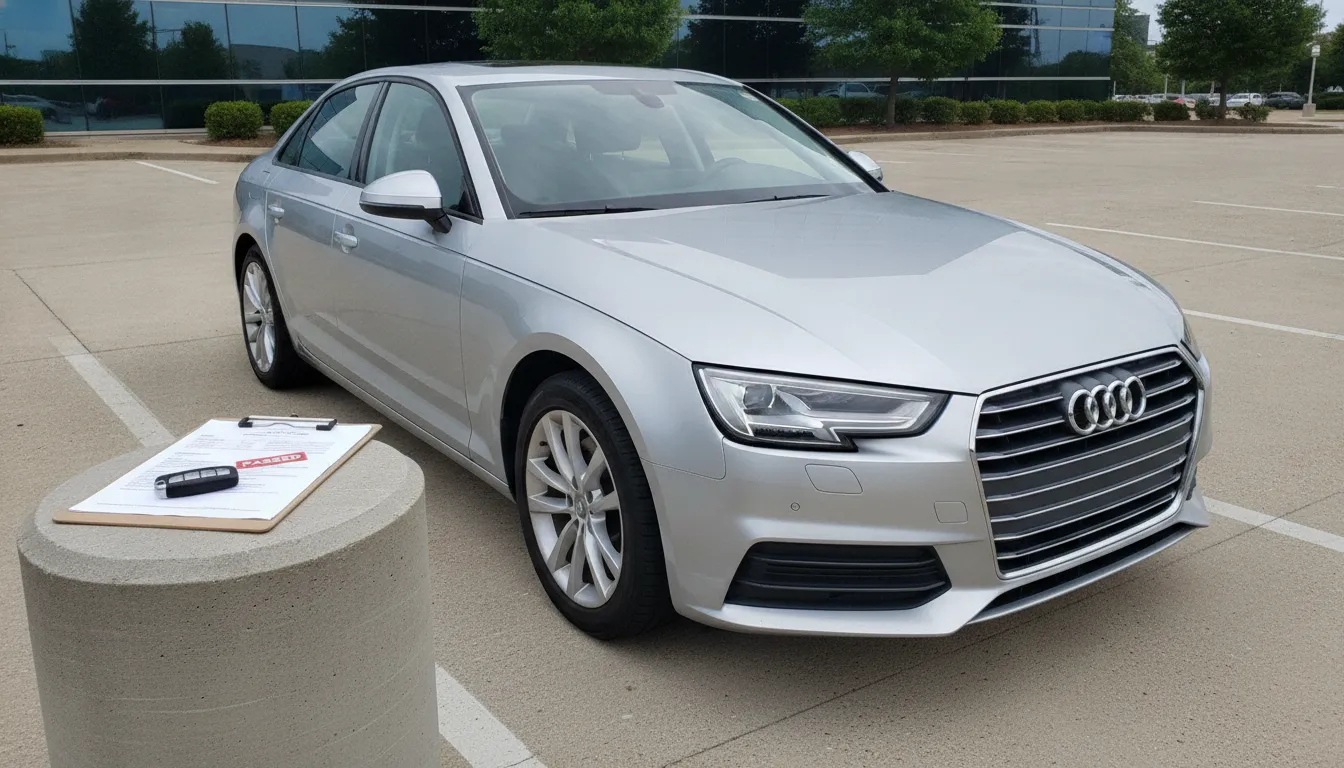
Which records help prove frame damage diminished value?
Proving the full loss in value for your car needs a clear paper trail. You must show that the car’s frame was bent and that this loss stays even after the shop is done. These records form the base for your documenting frame damage for claims plan. In Georgia, having the right files is key to getting a fair check from the insurance firm.
Repair bills and parts lists
A simple repair estimate often lacks the detail you need to prove a structural loss. You should get a final repair bill that lists every part used and the exact work done. Bills that show frame pulls or parts that were cut and joined are vital. These files prove the car had major issues that lead to a permanent market stigma.
Insurance firms may try to call this “structural” work instead of “frame” work to pay less. But cars with an accident history have a market stigma because buyers fear the car is not as safe as it once was. A clear list of frame repairs makes this loss of value much harder for the firm to deny.
Frame machine specs and alignment logs
New frame machines print out sheets that show the car’s exact shape before and after the fix. These specs compare your car’s frame to the original factory build. If the frame was pulled or straightened, these logs prove the car’s core was bent. Even if the shop brings the car back to spec, the fact that it needed such a fix lowers its worth.
Wheel alignment logs also provide good proof. If a car cannot hold a straight path or needs big shifts to reach factory specs, the frame may still be off. These logs help show the frame damage diminished value impact by showing the deep changes to the car’s build.
History reports and market data
Reports from CARFAX or AutoCheck create a public record of the crash and the frame damage. These reports tell any future buyer about the car’s past, which drops the price you can get for it. Even with good repairs, the crash stays on the vehicle history report and lowers the car’s market price.
For many cars, a history of frame damage is a deal-breaker for buyers and shops. Data shows that shops often offer 30% to 50% less for cars that have a history of frame damage. Getting local sales data for similar cars with clean titles can help you show how much your car’s value has dropped due to its crash record.
Photos of the damage and repairs
Clear photos of the car while it is taken apart offer the best proof. You want to see the frame rails or pillars before the shop hides them with new parts or paint. Photos taken during the fix can show the frame being pulled or cut. This gives visual proof that the car’s core was hit. These images make the tech data easier for a claims person to understand.
How an independent appraisal supports the claim
A high-quality independent appraisal is key to winning your case. Insurance companies often use their own methods to lower your payout. They may ignore the lasting impact of frame damage diminished value. An expert appraiser gives you a clear look at how much your car truly lost in value. This report acts as your best tool during a dispute.
Market value comparison
A professional appraiser looks at the local car market. They compare what your car was worth before the crash to its value now. This process uses real sales of similar cars. They find cars with the same year, make, model, and miles. This data helps show how much less a buyer will pay for a car with a crash history. Even with good repairs, a history of frame damage creates a stigma that scares away buyers.
In Georgia, you have the right to seek this loss. An appraisal shows the gap between a clean car and your repaired one. This helps you meet Georgia frame damage claim requirements. Without this proof, the insurance company might only offer a small sum. A clear market study makes it much harder for them to deny your claim.
Using relevant comparable vehicles
An expert appraiser does not just guess. They find “comps” or cars that match yours. They look for cars sold in your area. This is important because car prices vary by city. The appraiser adjusts for things like new tires or leather seats. They then look at how a crash record changes the price. Dealerships often offer 30-50% less for cars with a history of frame damage. A report that lists these local facts is very strong.
You can use this report to show the insurance team why their offer is too low. It gives you a way to speak their language. When you have a list of real cars and sales, you aren’t just asking for money. You are showing them the math behind your diminished value claim help demand. This step is vital for getting a fair settlement.
Accounting for accident disclosures
Buyers today use history reports to check for past crashes. These reports show any history of structural work or frame repairs. An appraiser knows how these reports affect the price. They account for the fact that you must tell future buyers about the crash. Most people will not buy a car with a frame repair if they can find a clean one. This lack of demand is what drives your loss in value.
Your appraisal report will detail these points. It explains why a buyer sees your car as a risk. It also points out that documenting frame damage for claims is the only way to prove this risk. Having this in writing helps your demand for full payment. It shows the insurance company that you know the true cost of the crash.
Steps to build a Georgia diminished value claim
You need a smart plan to get back the money your car lost. This loss is called inherent diminished value. It stays with the car even after the shop fixes every part. The market sees a car with a crash history as a risk. This is why buyers pay less for it. This loss is even worse when the car has structural issues. High frame damage diminished value often stems from the fear that the car is no longer safe. To get paid, you must show the insurance firm that your car is worth less now. This process takes time and effort. You must prove that the car is no longer worth its old price.
Start with solid proof
Building a strong case starts the day of the crash. You should take clear photos of the damage from every side. Once the car is at the shop, ask for a full list of all repairs. Look closely at the parts list and the labor notes. If you find words like “unibody” or “frame rack,” the damage was deep. These notes are key to Georgia frame damage claim requirements for a high pay. You should also keep a log of how the car feels once you get it back. Any new rattles or odd tire wear can help show the repair did not make it like new. The goal is to show the car has changed.
The seven-step claim process
Filing a claim in Georgia takes a few clear moves. You must be firm with the insurance firm. They want to pay the least amount they can. Most firms will try to ignore the loss in value. They hope you will just walk away. You can follow this list to stay on track and get the money you deserve.
- Keep every photo you took at the crash site. These show the force of the hit. They also show the first state of the car before the shop took it apart.
- Save all repair estimates and the final bill from the shop. These papers are the core of your proof. They show what was broken and how it was fixed.
- Read the shop notes for any mention of frame or structural repair. Frame work causes a huge drop in what a buyer will pay. It also suggests the car may not be safe.
- Call a pro appraiser to look at your car. They will write a report that shows the real market loss. This is better than any online guess or tool.
- Send a demand letter to the insurance firm with your report. This starts the clock on your claim. It shows the firm that you are serious about your loss.
- Review their offer with care and do not sign too fast. They often start with a low offer. They want to see if you will take a small check to go away.
- Get a lawyer if the insurer denies the claim or offers too little. A legal team knows the law. They can push for the full amount you are owed.
A pro appraisal is the most vital part of your file. Many firms use a basic math tool called 17c to guess your loss. But this tool often misses the true market drop. Expert studies show that damaged cars have a stigma that remains even after full repairs. This stigma is a real cost that you can recover in Georgia. The law allows you to seek the full gap in value. If the insurer ignores your proof, you may need diminished value claim help to move forward. You have the law on your side when you seek a fair price for your car. Do not let the insurance firm win by being silent.
Georgia considerations for frame damage diminished value
Filing a claim for frame damage diminished value impact involves unique rules in Georgia. The state allows you to seek payment for the loss in your car’s market value. This loss often remains even after a shop fixes the structural issues. Because structural damage is so severe, these claims can result in thousands of dollars of extra money for drivers who were not at fault. You must understand how Georgia law views these losses to protect your financial interests.
Georgia frame damage claim rules
Georgia is one of the few states where insurers must offer diminished value on most first-party claims. This means you might get a check from your own insurance company even if you caused the wreck. However, most Georgia frame damage claim requirements apply to third-party claims. These are cases where someone else hit you. In these situations, the at-fault driver’s insurance must cover the full loss in value caused by the crash.
State law recognizes that a car with a past crash is worth less than a clean one. This is true even if the shop did great work. Buyers fear that structural repairs cannot restore a car to its exact pre-accident state. Because of this stigma, you have the right to ask for the difference in value. You will need clear proof to show how the structural damage lowered the worth of your vehicle.
Proving your loss in value
Insurance companies often use a formula to decide how much they will pay. In Georgia, many use the “17c” formula. But this method often fails to account for the high cost of structural damage. Frame repairs are a major red flag for buyers and dealers. To get a fair payout, you often need to show that the formula does not fit your case. Documenting frame damage for claims with an independent appraisal is a key step.
An expert appraisal looks at real market data instead of a simple math grid. It shows that dealerships typically offer 30-50% less for cars with a frame damage history. This data is much more powerful than an insurance company’s estimate. By using a pro appraisal, you can prove that your loss is higher than what the insurer offered. This proof is vital for a successful claim in Georgia.
When to get legal help
You can try to handle a claim on your own, but it is often hard. Insurance adjusters may try to say the damage was not that bad. They might call it “minor” even when the frame was bent. If the insurer denies your claim or offers too little, you may need a lawyer. A legal expert knows how to fight for the full value of your vehicle. They can handle the paperwork and talk to the insurance company for you.
In Georgia, you usually have four years from the date of the crash to file a property damage lawsuit. But you should not wait that long. It is best to start your claim as soon as the repairs are done. This keeps the evidence fresh and helps you get your money faster. If you feel stuck, reach out to Gastley Law for a free case evaluation to discuss your options.
Frequently Asked Questions
Does frame damage automatically total a car?
Not always. A car is totaled only when the cost to fix it is near its total worth. Frame damage is a major fix, but shops can often repair it with new tools. Even if the car is safe to drive later, its price will drop. Many buyers fear that repairs cannot restore a car to its first state. If the cost to fix the frame is too high, the insurer may scrap the car.
What are the signs that a car has frame damage?
You can spot signs of frame harm even after a shop fixes the car. Look for gaps between doors that are not even. You may also feel the car pull to one side as you drive. Tires that wear out fast or in odd spots can also mean the frame is bent. If you hear new squeaks or see parts that do not line up, your car likely has frame damage. A pro check is the best way to be sure.
How much does frame damage lower trade-in value?
Frame damage can lower what a car is worth by a big amount. When you try to trade in your car, many shops will check its history. If they see a record of frame repairs, they will often offer much less money. Data shows that trade-in offers can drop by 30 to 50 percent. This loss stays with the car even if the shop did a great job on the repairs.
Can I claim diminished value for frame damage in Georgia?
Yes. Georgia law lets you ask for money if your car’s worth drops after a crash. This is true for most claims in the state. Since frame damage is a big issue, it often leads to a large loss in value. You can use a pro report to prove your case to the insurance firm. If you need help, you can contact Gastley Law for a free review of your claim today.
Ready to get help with your Georgia diminished value claim?
If you wait to act after a crash, it can cost many dollars in lost value that the firm will never pay. Frame damage leaves a deep mark on your car’s history, but filing your claim now helps you get paid for that loss before time ends. The longer you wait, the harder it is to prove how much worth your car lost due to the frame damage from the wreck.
Ready to request a consultation? Call 770-557-2838 to request a consultation about a Georgia diminished value claim. Our team of experts will work with you to make sure the firm pays you the full amount for your car today.