
Car Totaled With Negative Equity: Georgia Options After a Crash
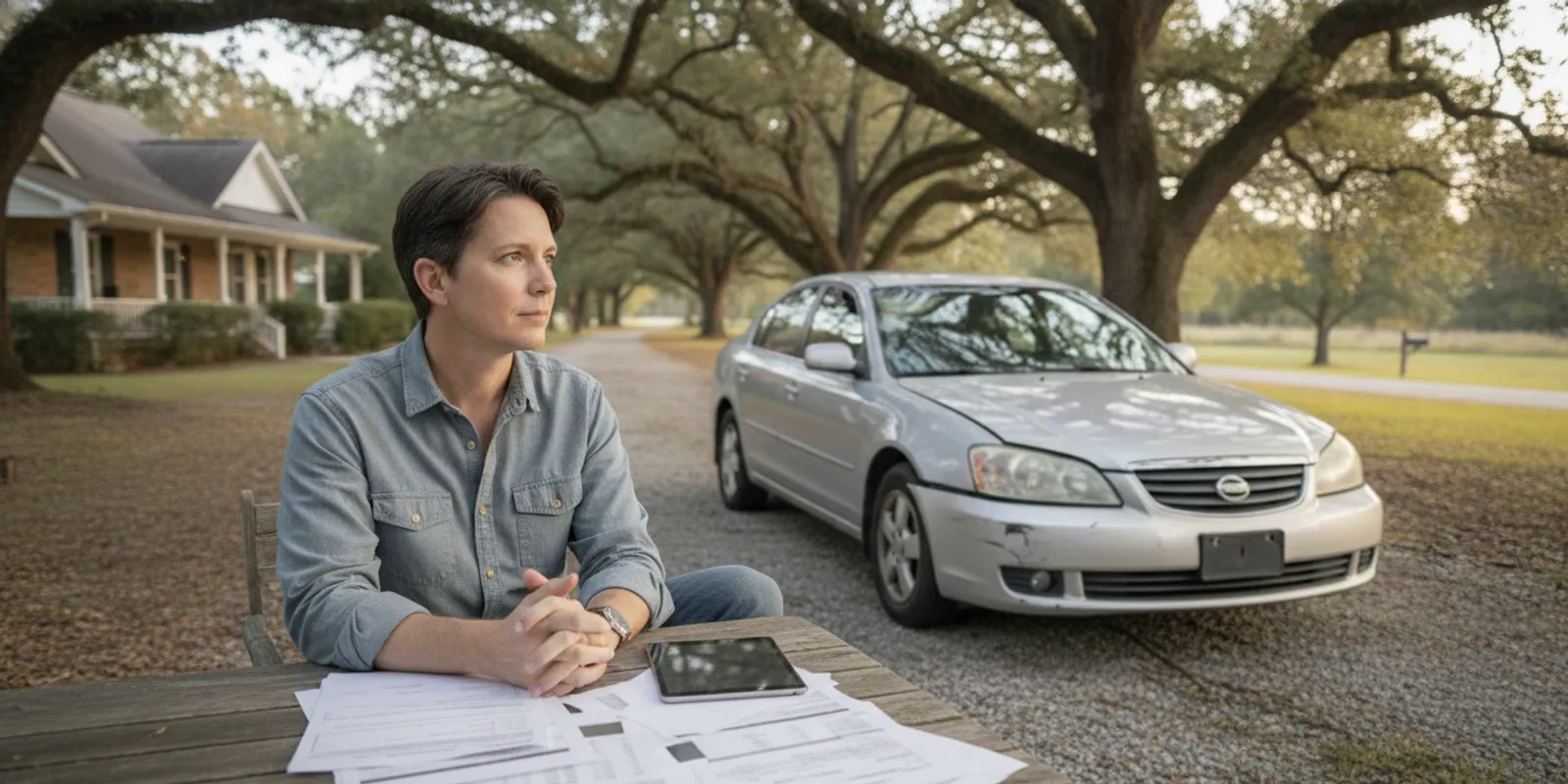
If your car is totaled and the loan payoff is higher than the insurer’s settlement, you may still owe money after the vehicle is gone. A car totaled with negative equity creates two related but separate questions: what the vehicle was worth immediately before the crash, and how the remaining loan balance will be paid. Knowing the difference helps you check the valuation, look for applicable coverage, and avoid assuming that the insurance payment automatically clears the debt.
Request a free case evaluation with Gastley Law or call (770) 557-2838.
What does negative equity mean after a total loss?
Negative equity means the amount needed to pay off a vehicle loan is greater than the vehicle’s value. In a total-loss claim, the insurer evaluates the vehicle under the applicable policy or claim circumstances and makes an offer based on its valuation. That figure is not automatically the same as your loan payoff.
For example, imagine your lender says the payoff is $24,000 and the insurer’s current offer is $20,500. There is a $3,500 gap between those figures before considering any policy terms, deductible, taxes or fees, additional payments, or other adjustments. The example is only arithmetic; it does not predict what an insurer will offer or what a lender will require.
Several numbers matter, and each comes from a different source:
- Vehicle value: The insurer’s total-loss valuation, which you can review and question with supporting evidence.
- Loan payoff: The amount the lender says is required to satisfy the loan on a stated date. It can differ from the balance shown on a monthly statement.
- Insurance payment: The amount paid under the claim after applicable policy terms and adjustments.
- Possible gap benefit: A payment under a separate gap contract or endorsement, if you have one and the loss qualifies.
Do not assume that a lender will erase any amount left over, or that the insurer will pay the loan balance just because the vehicle was financed. The loan agreement and insurance claim are separate. The total-loss appraisal process and the loan payoff should be examined independently before you decide what to do.
How is the insurance settlement different from the loan payoff?
A settlement valuation is about the vehicle, not the amount you borrowed or the payment you hoped to make. The payoff can be higher because of a small down payment, a long loan term, a recent purchase, negative equity rolled in from another car, or a balance that has not yet declined much. Those circumstances do not, on their own, establish that the insurer’s vehicle valuation is wrong.
Start by getting the insurer’s full valuation report and asking how it reached its number. Confirm that the report identifies the right year, make, model, trim, mileage, options, condition, and relevant equipment. Look closely at comparable vehicles, their locations, mileage, features, and any adjustments. If a key feature or condition is missing or incorrect, point to the specific entry and provide documentation to support a correction.
Then request a written payoff quote directly from the lender, including the date through which it is valid and instructions for handling the insurance payment. Ask whether the lender has received the insurer’s funds and what balance, if any, would remain after the payment is applied. Keep the answer in writing. A payoff quote can change over time, so a balance from an older statement may not be the current figure.
For help separating the value question from other parts of a vehicle-damage matter, review this Georgia car property-damage claim guide. It is especially important not to treat the loan statement as proof of the car’s pre-loss value: it shows what is owed, not what comparable vehicles were worth.
Which records should you gather before responding?
Organize the claim and loan records before making a decision. A simple folder with dated documents can help you spot mistakes, explain a valuation dispute, and keep track of what each company said. Save originals or clear copies, and note when you received each item.
- The insurer’s valuation report, settlement offer, and written explanation of adjustments.
- The vehicle’s purchase paperwork, loan agreement, current payoff quote, and payment history if available.
- Maintenance records and receipts for recent equipment or work, while recognizing that an expense does not necessarily increase value dollar for dollar.
- Photos of the vehicle before the crash, if you have them, and relevant photos or inspection records after the crash.
- Accurate details about trim, options, mileage, condition, and equipment that the report may have missed.
- Comparable vehicle listings or sales information that are genuinely similar in model, trim, mileage, condition, and location. Save the source and date, not only a screenshot of the price.
- Your declarations page, policy documents, endorsements, and any separate gap agreement or dealer paperwork.
- Emails, letters, claim notes, call dates, names or departments, and a short summary of what was discussed.
Be cautious about comparing your car with a listing that has a different trim, unusually low mileage, significant options, or a distant location. A useful comparison is not simply the highest asking price you can find. It should help explain why the insurer’s inputs or adjustment may not reflect your specific vehicle.
How can you check and question the total-loss valuation?
Review the valuation line by line rather than rejecting it based only on the loan balance. Make a short list of concrete questions: Is the mileage correct? Does the report identify the right trim? Are listed comparables similar? Are there adjustments you do not understand? Did the insurer overlook documented condition or equipment? Ask the adjuster to explain discrepancies and provide the source information behind the valuation.
If you find an error, send a focused written response. State the report entry, explain what you believe is inaccurate, and attach the record or comparable that supports your point. Ask the insurer to reconsider and provide a revised written valuation if it agrees. Keep the tone factual and retain a complete copy. A general statement that the offer is too low is less useful than a documented correction tied to the vehicle and the report.
If the disagreement continues, read the policy for any applicable appraisal or dispute process and ask the insurer how it works. Do not assume that every policy contains the same procedure or that invoking one has the same effect in every claim. Consider getting advice before signing a release or accepting terms that may resolve more than the vehicle-value issue. For more on challenging an offer, see what to do when you disagree with a total-loss adjuster and the guide to insurance settlement offers.
Georgia vehicle owners who have concerns about an insurance company’s handling of a claim can consult the Georgia Office of Commissioner of Insurance and Safety Fire for official information. A regulator resource is not a substitute for reviewing your policy or getting legal advice about your particular facts.
Could gap coverage help with the remaining balance?
Gap coverage is intended to address a difference between an eligible total-loss insurance payment and a loan or lease balance, subject to the contract. It may be sold as a separate product or included as an insurance endorsement. First, determine whether you actually purchased it: check your policy, loan or lease documents, purchase paperwork, and any separate agreement. Do not rely only on a salesperson’s recollection or the name of a product.
Next, contact the gap provider or insurer using the contact details in the contract. Ask what documents it needs, how a claim is opened, which dates and balances it uses, and whether a deductible or other item affects its calculation. Request the answer in writing. Coverage can have limits, exclusions, eligibility rules, or claim deadlines, and some products may treat add-on amounts or past-due payments differently. The contract controls; do not assume every gap plan works alike.
Keep the primary auto-insurance claim moving while you investigate gap coverage. A gap agreement generally does not correct an inaccurate vehicle valuation by itself. If the settlement figure appears wrong, question that figure with the insurer and document the dispute separately. If there is no applicable gap benefit, or it does not cover the entire difference, ask the lender for the exact remaining payoff and available payment arrangements. Ask the lender to explain its options rather than stopping payments or assuming the balance disappears.
This article focuses on the unpaid-loan issue, not a full comparison of gap products.
How should you coordinate the insurer, lender, and gap provider?
Keep the conversations separate, but make sure each company has the information it needs. The auto insurer handles its claim and valuation. The lender provides the payoff and applies funds to the loan. A gap provider, if there is one, reviews a separate contract. One company’s estimate may rely on dates or documents that another company has not yet provided, so write down the date, source, and status of every number.
When speaking with the insurer, ask what it needs to complete its valuation and when it expects to issue payment. Ask how the payment will be made and whether it is being sent to you, the lender, or both. Do not assume that the lender has received the funds just because the insurer says a payment was issued. Confirm receipt and application with the lender. If the payment goes directly to the lender, ask for an updated account statement or payoff calculation once processing is complete.
When contacting a gap provider, explain whether the primary claim is still being evaluated or whether the insurer has issued a final payment. Ask if the provider can begin reviewing documents before the primary claim is complete, and confirm what it considers a final settlement. Avoid relying on an informal estimate of the gap benefit when deciding whether you can afford a replacement vehicle or other expense. Ask for the provider’s calculation and any outstanding requirements in writing.
Keep making required loan payments unless the lender confirms a different arrangement in writing. A pending insurance or gap claim does not by itself establish that a payment is paused, and falling behind may create separate problems under the loan agreement. If you cannot make a scheduled payment, contact the lender promptly and ask what options are available. Record the representative’s instructions and retain any confirmation. This practical step does not resolve the valuation question, but it helps prevent an assumption about claim processing from becoming a separate loan-account issue.
Finally, avoid committing to a replacement purchase based on a projected settlement or unconfirmed gap payment. First verify the insurer’s actual offer, any applicable policy adjustment, the lender’s current payoff, and the gap provider’s written decision. If one figure changes, update your worksheet rather than carrying forward a stale estimate. A short status log can show which questions remain open and what follow-up is due.
For a separate discussion of that subject, see the guide to insurance for a totaled car and review your own contract terms.
What should you compare before deciding what to do?
Use the table as a sorting tool, not a promise of coverage or a formula for a final settlement. Your policy, financing documents, and the facts of the loss determine which steps apply.
| Question | Document or person to check | What to do next |
|---|---|---|
| Does the insurer’s figure reflect the vehicle? | Valuation report and claim adjuster | Check trim, mileage, options, condition, comparables, and adjustments; submit specific corrections with evidence. |
| What is required to pay off the loan? | Lender or loan servicer | Request a dated payoff quote and ask how the insurance payment will be applied. |
| Is there a separate gap benefit? | Policy, endorsement, dealer or lender paperwork, and gap provider | Confirm coverage in writing, open a claim if applicable, and ask about required records, limits, and deadlines. |
| Will a balance remain? | Lender, after applying payments | Get the remaining amount in writing and ask about available payment arrangements. |
| Is the dispute unresolved? | Policy, insurer, and potentially a qualified Georgia attorney | Review applicable dispute terms and seek advice before signing a release or waiving options. |
What practical next steps can reduce confusion?
- Ask for the paperwork. Obtain the valuation report, written offer, current loan payoff, policy documents, and gap contract if one exists.
- Check facts, not just totals. Compare the report with the vehicle’s actual configuration and records. Separately verify the payoff date and amount.
- Write down the difference. Make a basic worksheet listing the insurer’s offer, payoff quote, any applicable deductible or adjustment, and any confirmed gap benefit. Label estimates clearly.
- Submit focused questions. Send the insurer specific valuation concerns and supporting records. Ask the lender and gap provider separate, direct questions about payment processing and eligibility.
- Track every response. Save emails and letters, and make dated notes after calls. Record what was requested, the response, and any deadline the company gave you.
- Review documents before agreeing. Read any release or settlement paperwork carefully. Ask what issues it resolves and whether it affects another claim or dispute.
- Get case-specific help when needed. If a Georgia vehicle owner’s property-damage claim involves a disputed valuation or unresolved issues, a case review can help clarify the available path.
For example, if an insurer’s report lists the wrong trim, first locate a purchase record, window sticker, or other reliable document showing the correct configuration. Then identify the report entry and ask for a revised valuation. In parallel, ask the lender for a payoff effective on the expected payment date. These are two separate requests, and resolving one does not automatically resolve the other.
When might a Georgia claim review be useful?
A review may be worth considering if the insurer’s report contains factual errors, the valuation dispute remains unresolved, the claim paperwork is unclear, or you are unsure how a proposed release affects the matter. A negative-equity balance alone does not prove that an insurer acted improperly, and it does not guarantee that a legal claim will increase the payment. The key is the evidence, the applicable insurance terms, and the facts of the loss.
Gastley Law focuses on diminished value and property-damage claims for Georgia vehicle owners. If your vehicle was damaged in Georgia or is a Georgia vehicle and the claim falls within the firm’s service scope, you can request an evaluation to discuss the records and questions involved. A case evaluation is a way to review the situation, not a promise of a particular result.
Request a free case evaluation with Gastley Law or call (770) 557-2838.
Frequently Asked Questions
Will the insurance company pay off my entire car loan?
Not necessarily. The vehicle claim and loan agreement are separate. The insurer’s payment is based on the claim and applicable terms, while your lender calculates the payoff. If the payment is less than the amount owed, you may have a remaining balance unless applicable coverage or another arrangement addresses it.
Should I accept a settlement just because I owe more than the offer?
The loan balance alone does not show whether the vehicle valuation is accurate. Review the valuation report and support any specific factual corrections before deciding. Read proposed settlement documents carefully and ask questions about what you would be resolving.
Does gap coverage always pay the difference?
No. Whether a gap product applies, and what it may pay, depends on its contract, eligibility requirements, exclusions, limits, and the claim facts. Confirm that coverage exists and ask the provider for a written explanation of the calculation and required documents.
Can I dispute the insurer’s valuation if it does not cover my loan?
You can ask the insurer to explain its valuation and submit evidence of specific errors or relevant vehicle details. The dispute should focus on the vehicle’s value and the report, not simply on the payoff amount, since the loan balance is calculated separately.
What if a balance remains after the insurance payment?
Ask the lender for an updated payoff or remaining balance in writing and discuss its available payment options. If you may have gap coverage, contact the provider promptly and follow the contract’s process. Keep copies of the claim and loan records, and consider qualified advice if you do not understand the terms or a release.
When a car is totaled with negative equity, the most useful first move is to verify each number with the company responsible for it: the insurer for the vehicle valuation, the lender for the payoff, and the gap provider for any separate coverage. Keep the records together, ask specific questions, and do not assume an unpaid balance has vanished until the lender confirms how the account was handled.