
Inherent Diminished Value in Georgia
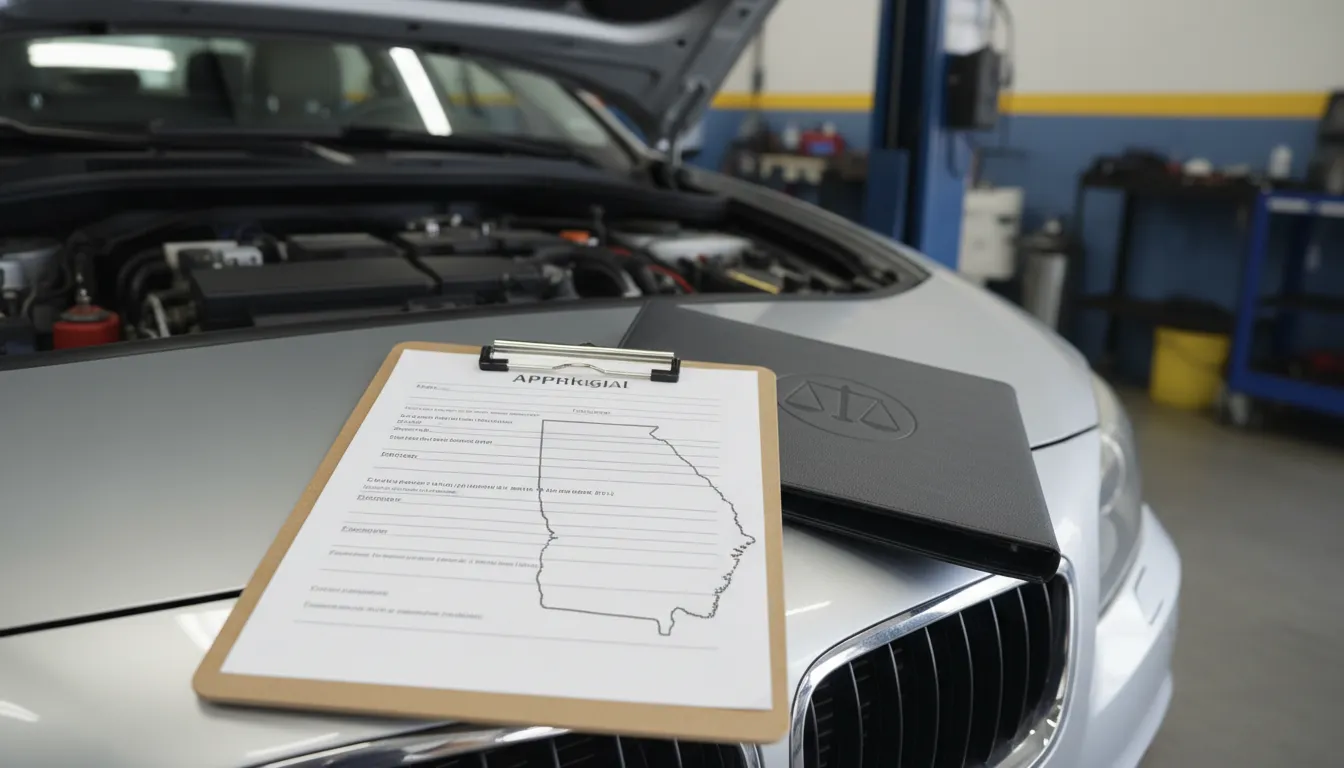
A repaired Georgia vehicle can still carry a costly accident record. That lost market value may remain even when the body work looks flawless to you.
If your vehicle lost value after a Georgia accident, call Gastley Law at 770-557-2838 or request a case evaluation.
Inherent diminished value is the loss in your vehicle’s market price because an accident appears in its history, even after proper repairs restore its condition. Georgia drivers may face this loss when buyers or dealers discount a repaired vehicle based on its accident record, not on a remaining repair defect. Repair-related diminished value is different because it stems from poor workmanship, mismatched paint, unfinished repairs, or parts that reduce quality or function. Evidence can include repair invoices, accident records, photographs, valuation comparisons, and an independent appraisal documenting value before and after the collision. If an insurer undervalues or denies that loss, Gastley Law can review a Georgia driver’s evidence and discuss options for pursuing a claim.
Drivers often need to know whether a repaired car lost value because of its accident record or because something was repaired badly. The next section, What inherent diminished value means after a Georgia accident, explains that core distinction before turning to proof and legal help. The explanation begins:
What inherent diminished value means after a Georgia accident
Inherent diminished value is the market value a vehicle loses because it now carries an accident history. It may remain after a body shop completes proper repairs. The car may look and drive as it did before the crash. Still, its record can affect what a buyer or dealer will pay.
If your repaired vehicle may be worth less after a Georgia accident, call Gastley Law at 770-557-2838. Owners can also request a case evaluation to discuss an accident history loss.
The loss repairs do not erase
Repairs address physical damage, such as damaged panels, glass, paint, or working parts. They do not erase the fact that a crash happened. The Federal Trade Commission’s used car guidance advises shoppers to obtain a vehicle history report, while also checking for other concerns.
When someone considers a repaired used car, past damage may change the offered price. The car can be safe, usable, and repaired with care. Even so, its accident record may distinguish it from a comparable car without reported damage.
An owner may notice this issue when selling or trading the vehicle, or while discussing property damage after a collision. The fact that a car was repaired does not settle the value question. Inherent loss asks what changed in the market after the crash became part of the vehicle’s history.
Inherent loss versus repair problems
Inherent diminished value does not require unfinished or faulty work. Its focus is the loss tied to a repaired vehicle’s accident history. The question is whether the market views that vehicle differently once the accident is part of its record.
Repair-related diminished value involves another problem: flaws that remain because repair work is incomplete or poor. Examples may include uneven paint, gaps in body panels, warning lights, or parts that do not work as expected. A properly repaired car may have inherent loss without those repair defects.
A focused Georgia value question
This article stays with the core inherent loss question: how does the repaired vehicle’s accident history affect market value? It does not cover each proof step, insurer response, or form of diminished value. That narrow focus helps an owner name the issue clearly.
That inquiry differs from the cost of completed repair. A repair invoice shows work performed and parts used. It does not, by itself, answer what a buyer may pay after learning of the collision history.
Documentation may begin with records about the vehicle, collision, and repairs. For more on related Georgia claim issues, read Gastley Law’s guide to Gastley Law’s diminished value claim process. In an inherent diminished value review, the issue is whether accident history lowered the repaired vehicle’s market value.
Why a repaired car can still be worth less
A repaired car can be worth less because buyers, dealers, and insurers often treat accident history as a pricing risk. Inherent diminished value focuses on that market discount, even when the repair work is complete and the vehicle functions normally.
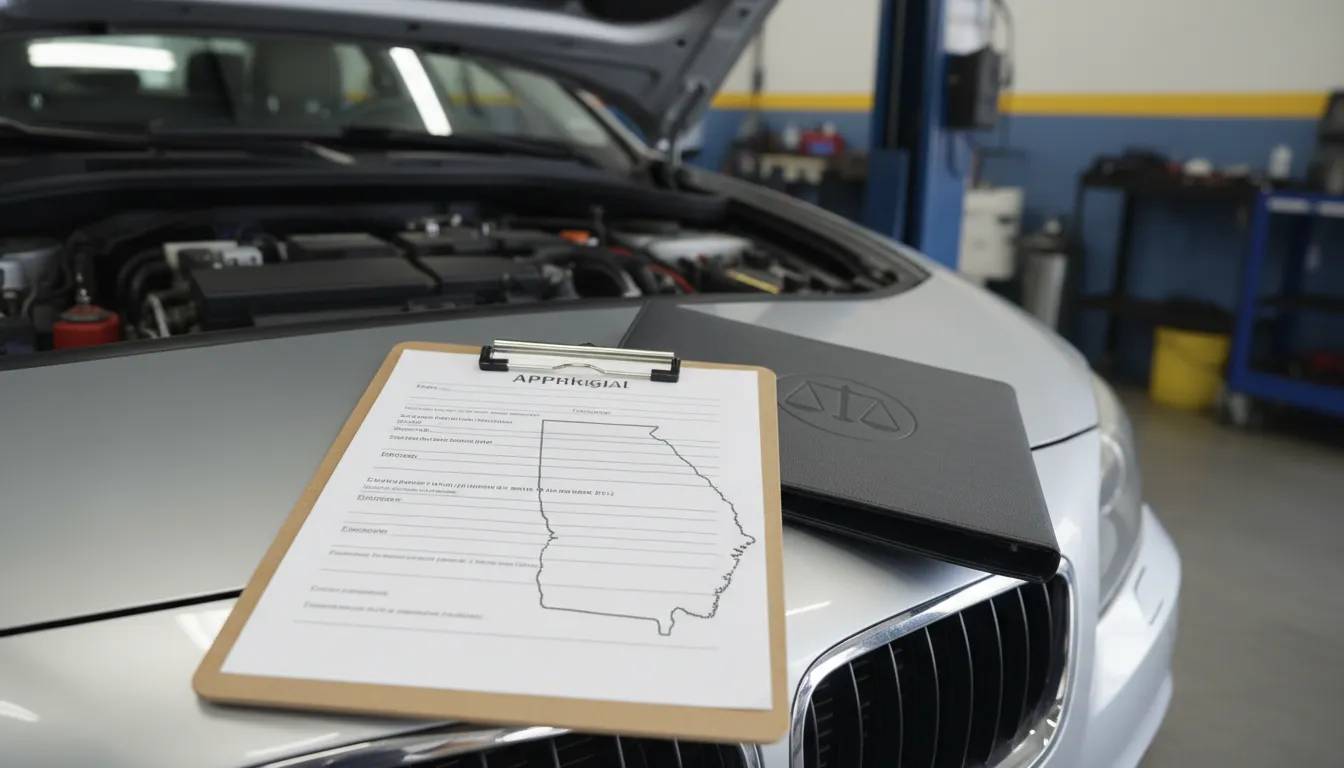
Repairs and market value
A body shop can restore a car’s safety, function, and appearance after a crash. That work addresses damage, but it does not remove the fact that a crash occurred. Legal scholarship on inherent diminished value notes that cars can lose market value after accidents, even when repairs are complete and competent.
This difference matters when an owner hears, “Your car was fixed. So there is no loss.” The repair bill pays for work needed to put the vehicle back in usable condition. Inherent diminished value concerns a separate issue: what a willing buyer may pay for that vehicle after its accident history becomes known.
Buyer perception and history reports
Used-car buyers compare risk, not just paint color and panel fit. A buyer choosing between two similar cars may favor the one without an accident record. That choice can lower demand for the repaired car, even when it drives as intended and its repair file is complete.
Vehicle history reports can bring that past damage into a sale or trade-in talk. A report may prompt questions about hidden issues, future resale, or whether repairs returned the car to its prior state. A clean inspection can answer repair questions, but it may not change a buyer’s preference for an accident-free car.
That is why quality repairs and inherent diminished value can exist at the same time. Poor work can cause repair-related loss, such as visible defects or an ongoing problem. Sound work does not cause that type of loss, but buyers may still place less value on the car’s accident history.
A practical resale comparison
Consider two used sedans with the same model year, mileage, options, and general condition. One has no known collision history. The other had a collision, then received proper repairs supported by invoices and photos. A shopper may still choose the first sedan, or ask for a lower price on the repaired one.
The owner’s concern is not that the repair shop failed. It is that the market may treat the repaired sedan as a different purchase risk. An appraisal can compare market evidence, repair records, vehicle condition, and accident details without assuming a set loss for every vehicle.
Repair invoices can show the work that was done. Photos may show the car’s condition after repair. Neither record requires a buyer to value a prior accident car the same as a comparable car with no reported damage.
Georgia owners seeking to understand that remaining market loss can review Gastley Law’s information on diminished value claims. For added background on appraisals and insurer review, see the firm’s guide to Gastley Law’s diminished value claim process.
Inherent vs repair-related diminished value
Inherent diminished value comes from accident history itself. Repair-related diminished value comes from the quality of the repair, such as bad paint, gaps, warning lights, or unfinished work. A Georgia claim may involve one or both issues, but the evidence is different.
Two losses can remain after a damaged vehicle is repaired. Inherent diminished value is the market loss tied to a reported accident history, even when repairs are sound. Repair-related diminished value is the added loss caused by repair defects, poor work, or remaining functional problems.
Two sources of value loss
Inherent diminished value centers on how a buyer views a repaired vehicle with a damage history. A repair invoice may show proper work, but it does not remove that history. A buyer may still compare the vehicle with a similar one that has no recorded accident.
Repair-related loss starts with the condition of the repaired vehicle itself. It may involve uneven panel gaps, a poor paint match, warning lights, alignment issues, or new noise. For a broader foundation, read Gastley Law’s guide to understanding diminished value.
| Type | What causes it | What evidence helps | Why it matters |
|---|---|---|---|
| Inherent diminished value. | Accident history remains after sound repairs. | Repair records, vehicle history, appraisal, comparable sales. | Shows market loss even after repairs are complete. |
| Repair-related diminished value. | Poor, unfinished, or defective repair work. | Inspection findings, photos, invoices, diagnostic records. | Shows defects apart from history-based loss. |
Evidence for each type
The evidence should match the kind of loss claimed. For inherent loss, an appraisal can compare market value before the crash with value after completed repairs. Repair records and history reports help show that buyers can account for the damage history.
For repair-related loss, the focus shifts to defects that can be seen, tested, or documented. A repair invoice may not capture a misaligned panel or a fault that appears later. Keep records showing both the work performed and the problem that remains.
- Final repair estimates and paid invoices.
- Clear photos of repaired areas and visible defects.
- Diagnostic or inspection reports for functional concerns.
- An independent value appraisal tied to vehicle condition.
Why the distinction matters in Georgia
A Georgia vehicle owner may face one form of loss, or both at once. A well-repaired car can still have inherent diminished value. A car with flawed repairs may also have a repair-related loss.
Georgia’s Office of Commissioner of Insurance and Safety Fire provides consumer services for policy and claim questions. That resource does not replace evidence about this vehicle’s loss. Records should still show why its post-repair market value is lower.
Keeping the categories separate makes a claim easier to explain. It also helps connect each requested amount to the right supporting record. Vehicle owners can review Gastley Law’s page about diminished value claims for Georgia-focused guidance.
How do you prove inherent diminished value in Georgia?
To prove inherent diminished value, show that your vehicle lost market value after a wreck, even after proper repairs. The focus is not a repair flaw. It is the accident history that a future buyer or dealer may weigh when valuing the repaired vehicle.
A strong claim connects the condition before the crash, the repairs, and the lower post-repair value. For a broader overview, read our guide to understanding diminished value. Georgia drivers can also review general auto insurance information from the Georgia Attorney General’s Consumer Protection Division.
Documents that establish the loss
Start collecting proof as soon as the vehicle is safe and the claim is open. Keep original files and clear copies. If an insurer asks for support, a complete record helps show the vehicle, the event, the finished repair, and the value change.
-
Gather records from before the loss. Keep your title or registration, purchase records, trim and option details, mileage records, maintenance records, and any older photos. These materials help show the vehicle’s pre-loss condition and features.
-
Preserve proof of the crash. Save the accident report, claim number, collision photos, tow documents, and insurer messages. Photos should show each damaged area before repairs begin, when they are available.
-
Collect the full repair file. Request the final repair invoice, estimates, supplements, parts list, paint or body work details, and payment records. A completed repair file shows what happened to the vehicle without turning an inherent value claim into a poor-repair claim.
-
Check how the loss appears in vehicle history. Obtain a vehicle history report after the repair is reported, if one is available. Keep it with your claim file because accident disclosure may matter in a later sale, trade, or appraisal.
-
Develop value support. Collect pre-loss value evidence and post-repair market evidence for the same year, make, model, trim, options, mileage, and condition. Dealer trade quotes or comparable listings may add context, but they should be closely matched.
-
Obtain an independent appraisal. An appraiser can review the loss and explain the value gap tied to accident history. The report should describe the vehicle, documents reviewed, market basis, and stated amount of inherent diminished value.
-
Keep every insurance communication. Save the demand, appraisal, insurer response, payment offer, denial, formula worksheet, emails, and letters. These records show what evidence was sent and how the insurer answered it.
How the proof fits together
No single item tells the full story. The repair invoice shows the completed work, while photos and the accident report show the damage event. Value evidence and an appraisal address the separate market loss after repairs are complete.
That distinction matters for an inherent diminished value claim. The point is that the repaired vehicle may still carry a value loss due to its accident history. Visible defects or failed repairs raise a different issue and may call for added proof.
Support when a claim is accepted
Gastley Law reviews the vehicle records, repair proof, value materials, appraisal needs, and insurance correspondence. If the firm accepts the case, it can front case costs needed to pursue the claim. The client does not pay those case costs upfront.
The firm can then present the evidence and address an insurer’s response through the claim process. Vehicle owners who need help organizing their proof can learn more about diminished value claims in Georgia.
What affects the size of an inherent diminished value claim?
The size of an inherent diminished value claim usually depends on the vehicle, the severity of damage, repair records, market comparables, accident history, and appraisal support. A newer, higher-value vehicle with documented structural damage may show a larger loss than an older vehicle with minor cosmetic damage.
An inherent diminished value claim measures market loss after a damaged vehicle has been repaired. The question is not only whether the car runs well again. It is what a buyer would pay after learning about its accident history.
The vehicle before the crash
The starting point matters. A newer car in clean condition may have more value exposed to loss than an older car with high mileage. Make, model, trim, options, and local demand can also shape the before-and-after market comparison.
Prior accidents or unrepaired damage can reduce a claim because the vehicle was not accident-free before this collision. Service records, mileage records, photos, and history reports can help show its pre-accident condition. This is why understanding diminished value begins with reliable records, not a quick estimate.
A vehicle’s market position matters as well. Buyers may view a late-model luxury sedan differently from an older commuter car. A claim should reflect the specific vehicle, its history, and the local market rather than a broad label.
The damage and the repairs
Damage is not viewed as one broad category. Buyers may react more strongly to structural repairs, airbag deployment, frame concerns, or damage near major safety systems. A smaller cosmetic repair may have a different market effect than a major collision record.
Repair quality matters, but it does not erase inherent loss. A Boston University Law Review discussion of inherent diminished value explains that accidents can reduce a car’s market value. That loss can remain even after complete and competent repairs.
Clean repairs may prevent another source of loss, while poor work can create added problems. Uneven paint, panel gaps, warning lights, or missed damage may call for separate proof. These issues should not be confused with value lost from the accident history itself.
- Repair estimates and final invoices show the parts and labor involved.
- Photos show the damaged areas before work begins and after repairs are complete.
- An independent appraisal can compare the repaired car with similar vehicles without that accident history.
The market and claim setting
Market demand can affect the size of an inherent diminished value claim. A model with strong resale demand may have useful local comparisons. A rare model may need tailored research because fewer close matches are for sale.
Fault and policy context also matter. A claim against another driver’s insurer is not assessed like a claim under your own coverage. The available records, insurer response, and policy terms can shape how the loss must be shown.
There is no set recovery based on one fact alone. A sound claim connects the vehicle history, repair file, and market proof. If a Georgia accident left your repaired vehicle worth less, request a case evaluation. The firm can review the facts and discuss possible next steps.
When should you call Gastley Law about inherent diminished value?
You should call Gastley Law when your repaired vehicle may be worth less, the insurer offered too little, or you are unsure what evidence is needed. A focused review can help determine whether an appraisal, negotiation, or legal pressure makes sense.
Gastley Law focuses on Georgia diminished value and property damage claims. The firm has recovered $2.4 million in property damage in the last 12 months, has hundreds of trial wins and settled claims, and works on a contingency model for accepted cases, with the firm fronting costs such as appraisals.
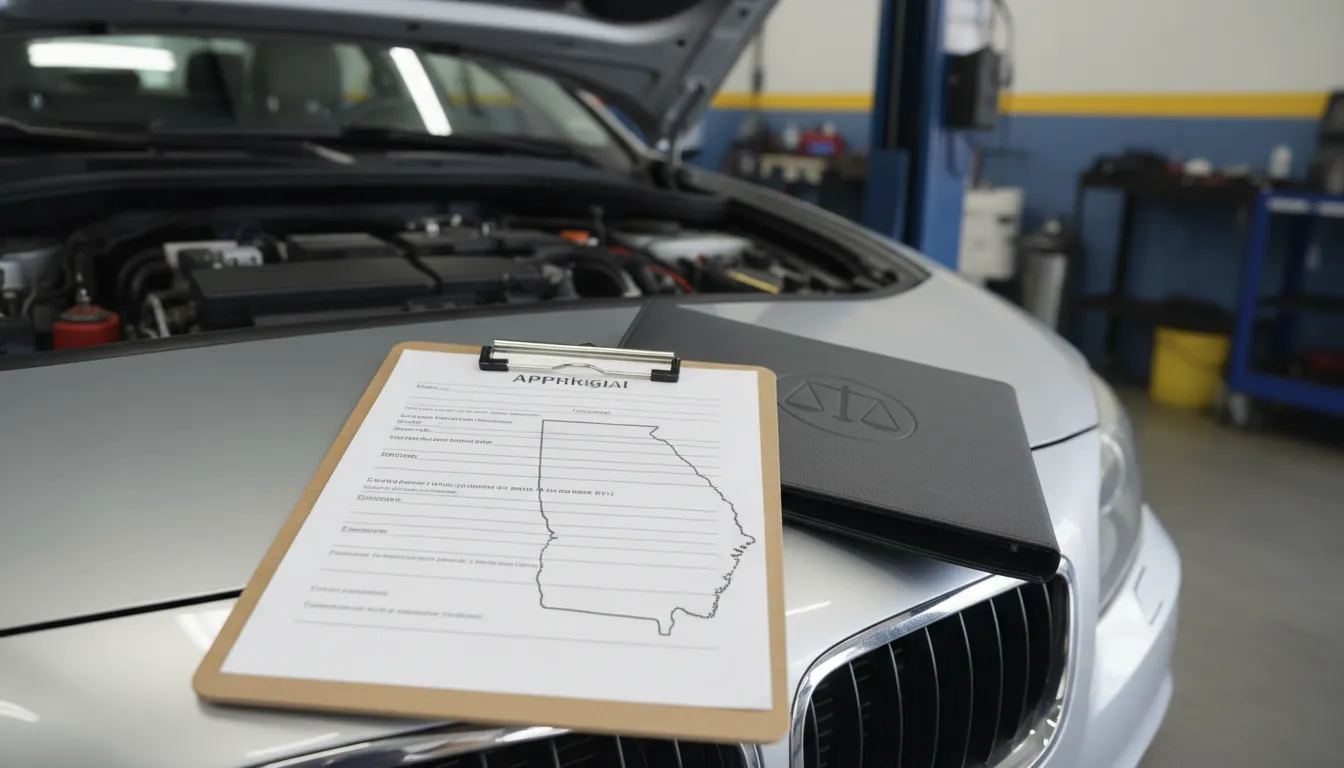
After repairs or while repairs are underway
A call may make sense once your vehicle is being repaired or has returned from the shop. Inherent diminished value is about the market loss that can remain after proper repairs. Accident history can affect what a buyer will pay, even when the vehicle looks restored.
This issue can matter most when the vehicle was newer, high value, or luxury before the crash. It can also matter when the damage was serious or involved major components. An academic discussion from Boston University Law Review notes that vehicles can lose market value after accidents, even after sound repairs.
You do not always need to wait until every repair step is complete before asking questions. Early records can help show the vehicle’s condition, repair scope, and claim history. Keep estimates, photographs, invoices, payment letters, and any appraisal report you have received.
When the offer or report raises questions
Consider speaking with Gastley Law if an insurer sends a low offer or denies a diminished value claim. The same applies if an appraisal report is hard to follow. A short figure without a clear basis may leave questions about pre-loss value, damage history, and post-repair market loss.
Insurer pushback can also take several forms. An adjuster may say repairs resolved every loss, rely on a standard formula, or ask for more proof. General information about understanding diminished value can help you organize records before you discuss a claim.
Not every damaged vehicle has the same claim value. Prior damage, mileage, repair quality, vehicle history, and the available proof may affect an assessment. A legal review should focus on the facts of your vehicle and insurance claim, not a promised result.
Help with a Georgia property damage claim
Gastley Law focuses on Georgia diminished value and property damage claims for vehicle owners. Call when you want a review of an inherent diminished value issue. This may follow a disputed offer or a confusing claim process. If representation is accepted, the firm can review records and address insurer communications.
If Gastley Law accepts a matter, the firm works on a contingency model and fronts case costs. A vehicle owner does not pay upfront case costs to begin an accepted claim. This structure offers access to representation; it is not a promise of recovery in any case.
To ask about a Georgia claim, call 770-557-2838 or request a case evaluation. Have your repair documents, insurer offer, appraisal report, photographs, and claim number ready if available. Those materials can make the first review more focused.
Frequently Asked Questions
What is the difference between inherent and repair-related diminished value?
Inherent diminished value is the market loss that remains after proper repairs because a vehicle now has an accident history. Repair-related diminished value is an additional loss caused by incomplete or poor repairs, such as visible defects or unresolved problems. These are separate issues: a properly repaired vehicle can still have inherent diminished value. This distinction is described in an overview of automobile diminution claims.
How do you prove diminished value in Georgia?
A Georgia diminished value claim is supported by records showing the vehicle’s condition, repairs, and market value change. Useful evidence may include the accident report, photos, final repair invoice, vehicle history report, mileage, trim and options, comparable sales, and an independent appraisal. An appraisal can compare pre-accident and post-repair market value. Academic analysis notes that a claimant’s burden may require expert opinion to establish the loss.
Can I claim diminished value in Georgia?
Georgia vehicle owners may have a diminished value claim after a covered accident, depending on the facts, available evidence, and any applicable policy terms. In State Farm Mutual Automobile Insurance Co. v. Mabry, the Georgia Supreme Court addressed diminution in value in first-party physical damage claims. A third-party claim against an at-fault driver’s insurer follows a different legal path, so claim review is important.
When should I contact Gastley Law about inherent diminished value?
Consider contacting Gastley Law after repairs are completed or nearly complete, once you can gather repair invoices and accident records. A review may also help if an insurer denied diminished value, made an offer that does not reflect market evidence, or requested more proof. Georgia drivers can contact Gastley Law to discuss their documents, claim status, and possible next steps.
Ready to protect your car’s remaining value?
Waiting after repairs may leave you facing a lower vehicle value while important records and claim details become harder to collect and organize later. If you accept an offer without reviewing value loss, you may lose the chance to present an organized request before a claim closes. Starting now gives your legal team time to review repairs, gather records, assess the claim, and explain practical next steps before you respond.
If questions remain after repairs, getting advice now can help you choose your next step with clearer information before accepting an insurer’s final position. Call 770-557-2838 to request a case evaluation with Gastley Law and talk to a lawyer about your Georgia vehicle damage claim today.