
What Happens If Car Accident Exceeds Property Damage Limits in Georgia?
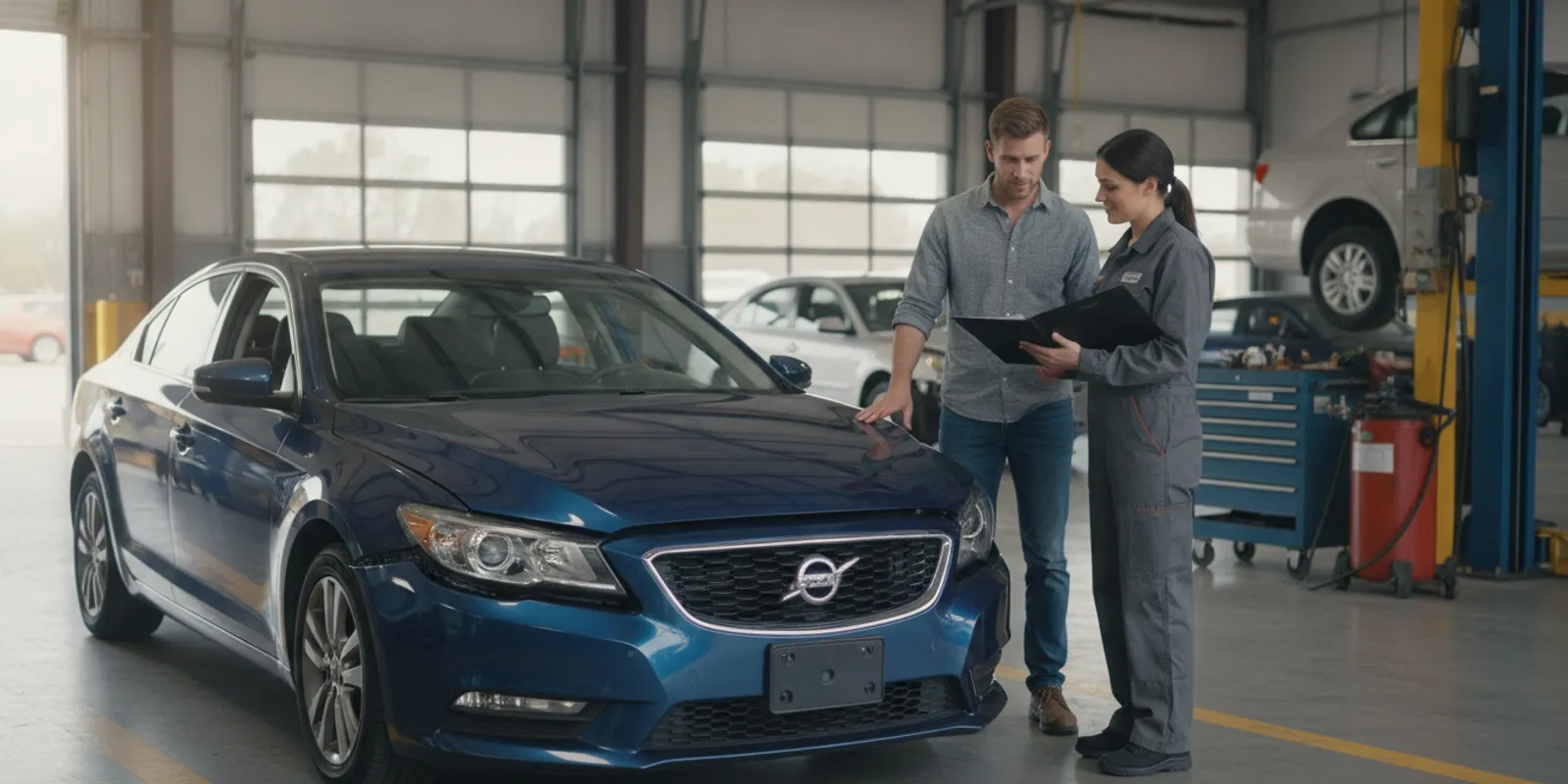
If you are asking what happens if car accident exceeds property damage limits, the key point is that the at-fault driver’s policy limit is not the same as the total value of your loss. When several damaged vehicles or other property are involved, the available liability coverage may not be enough to pay every claim in full. Georgia drivers should identify the limit, document each part of the vehicle loss, and ask what other coverage or recovery options may apply.
Request a free case evaluation with Gastley Law or call (770) 557-2838.
What does it mean to exceed a property damage limit?
Property-damage liability coverage is the part of an at-fault driver’s auto policy that may pay for damage the insured driver causes to someone else’s property, subject to the policy terms and limit. A limit is a cap on what the insurer may pay under that coverage. It is not a promise that every person’s losses will be paid in full, and it is not an estimate of what your car is worth.
For example, imagine a crash damages two cars and a fence. The combined repair and replacement claims could be higher than the at-fault driver’s available property-damage limit. The insurer may need to address multiple claims against that limited amount. Your own share cannot be determined just by looking at your repair estimate; the number of claimants, the policy, the facts of the collision, and the insurer’s handling all matter.
Georgia’s Office of the Commissioner of Insurance and Safety Fire provides information about auto insurance and required coverage. Check the current official information rather than relying on an old card, online post, or a limit remembered from a prior policy: Georgia auto insurance information.
How can you tell whether the limit may be too low?
You may not know the available limit right away. A repair estimate can also change after a shop begins disassembly and finds hidden damage. Start by separating what is confirmed from what is still being investigated. Ask the adjuster, preferably in writing, whether the insurer has identified the applicable property-damage coverage and limit, whether other property claims are being considered, and whether it needs anything else from you.
Do not assume that an early offer represents the full value of your losses or that the insurer has finished evaluating all damage. Compare the offer with itemized repair records and any updated estimate. If the vehicle may be a total loss, compare the insurer’s valuation with the vehicle’s condition and supporting records, not just the amount you owe on a loan. Gastley Law’s guide to total-loss appraisals explains why valuation documentation matters when a car is not being repaired.
For a Georgia driver, the word “limit” may also be used loosely in a phone conversation. Clarify whether the adjuster means the per-accident cap for property damage, a proposed payment, a vehicle-specific valuation, or a remaining amount after other payments. Ask for the answer and the basis for it in writing. Keep a dated note of calls, including the adjuster’s name, the number called, and what was said.
What records should you gather before responding?
Build a file that shows both the physical damage and the sequence of claim decisions. Keep copies, and do not rely on a portal to preserve the only copy of an important document. A practical file may include:
- Crash and vehicle records: the incident or police report if available, photographs from the scene, images of each damaged area, vehicle identification details, and the date and location of the collision.
- Repair evidence: the initial estimate, each supplement, invoices, parts and labor details, shop communications, and photos taken before, during, and after repairs. Ask the shop to explain changes between estimates.
- Ownership and condition information: registration, purchase records, maintenance history, mileage, and clear photos showing the vehicle’s condition before the crash if you have them.
- Claim communications: policy or claim references, letters, emails, text messages, written offers, payment explanations, and notes of calls with every insurer involved.
- Other property and transportation records: evidence of damage to items in the vehicle or other property, plus receipts and records for reasonable replacement transportation or related expenses you are claiming.
Submit clear copies, label what each item shows, and retain the originals. If an estimate does not include a damaged component or leaves a repair question unanswered, ask the shop or adjuster to address that specific point. A well-organized submission helps you see whether the disagreement is about the extent of damage, repair method, vehicle value, available coverage, or the amount left under a limit.
Gastley Law’s Georgia car accident claim checklist is another way to organize vehicle-claim paperwork. If the insurer’s number appears low, review the separate questions in this guide to an insurance offer that seems too low.
What should you ask the at-fault driver’s insurer?
Ask focused questions instead of relying on a general statement that “the policy is being reviewed.” You can ask:
- Has the insurer confirmed the applicable property-damage limit in writing?
- Are there other vehicle owners or property owners making claims under the same policy?
- Has the insurer determined whether the limit is sufficient to address all presented property claims?
- What documents are still needed to evaluate my damage, and when should I provide them?
- Is the offer intended to resolve only a specific part of my vehicle claim, or does the release cover additional property losses?
- Will accepting a payment require signing a release? If so, what claims and property does it cover?
- How will the insurer communicate its decision and explain the amount offered?
Read any release carefully before signing. A document that appears to relate to vehicle repairs may use broader language. Do not sign simply because you are told it is routine or because one part of the claim is ready to be paid. Ask for time to review it and seek legal advice if you are unsure what rights you would give up. This article is general information, not advice about the wording or effect of a particular release.
Georgia has rules addressing the settlement of first-party property-damage claims. You can review the official text of Georgia Regulation 120-2-52. The rule’s scope and your policy’s terms matter, so do not treat a regulation or a general description as a conclusion about your individual claim.
Could your own auto policy help?
If the other driver’s coverage appears limited, promptly contact your own insurer and ask what coverage, if any, could apply to the damage. The answer depends on the coverages you purchased, your policy language, deductibles, exclusions, facts of the crash, and applicable law. Do not assume that a particular coverage is included just because you carry auto insurance.
Ask your insurer specifically whether collision coverage may address your vehicle damage, what deductible would apply, how the claim would be evaluated, and whether using that coverage could affect any later recovery effort. You can also ask whether you purchased uninsured or underinsured motorist coverage that includes property damage and whether its terms apply to this situation. Coverage names and rules can be technical; request the relevant policy provision and a written explanation rather than relying only on a short phone summary.
Using your own policy may involve a deductible or other consequences under the contract, and it does not automatically guarantee reimbursement from another insurer. Ask how the insurer handles any recovery from the at-fault party or carrier and what, if anything, you must do to protect that process. Keep the claim numbers and communications from both companies in one timeline. For more on the distinction between covered damage and policy terms, see Gastley Law’s overview of physical-damage coverage in Georgia.
How should you keep repair costs, diminished value, and loss of use distinct?
A vehicle-related loss can involve different categories that should not be casually combined into one figure. Repair or replacement concerns the physical damage. Diminished value is a separate question about whether the vehicle’s market value has declined because of its accident history, even after repairs. Loss of use concerns the period when you could not use the vehicle and whether related expenses are supported. Whether any category is payable, by which insurer, and in what amount depends on the facts and governing policy or law.
Keep separate supporting documents for each issue. For repairs, retain estimates and final invoices. For a possible diminished value claim, keep pre- and post-repair condition information, repair records, mileage, and any valuation evidence. For loss of use, record dates the vehicle was unavailable and keep rental or alternative transportation receipts. This organization helps avoid treating a repair payment as proof that every separate issue has been resolved.
Gastley Law focuses on diminished value and property damage claims for Georgia vehicle owners. The firm’s Georgia diminished value claim information describes that separate issue, while its loss-of-use calculation guide covers the records that may matter for a transportation claim. Neither a separate heading nor a record by itself establishes that an insurer must pay; preserve the evidence and have the specific facts reviewed.
What are the possible paths when the limit is not enough?
There is no single outcome for every claim. Depending on the facts, policy language, and claims involved, possible paths to discuss with the relevant insurers or a Georgia attorney may include:
| Possible path | What to ask or do | Important point |
|---|---|---|
| Continue the third-party claim | Submit complete damage records; ask for the confirmed limit, status of other claims, and a written explanation of any offer. | Payment may be constrained by the coverage available and the insurer’s handling of multiple claims. |
| Notify your own insurer | Ask whether your collision or any applicable property-damage coverage may respond, what deductible and terms apply, and what steps are required. | Coverage is not automatic; the policy and facts control. |
| Negotiate a disputed valuation or repair issue | Identify specific errors or missing items and provide estimates, invoices, photographs, or valuation support. | A disagreement over value is different from a shortage in the policy limit. |
| Seek legal review | Have a Georgia attorney review the limit communications, releases, available policies, and separate damage categories. | Advice depends on the particular claim and documents; no recovery is guaranteed. |
| Consider a direct claim against the responsible party | Ask an attorney whether this is a practical and legally appropriate option in your circumstances. | A legal right to pursue a claim does not itself establish that funds are available or collectible. |
Before choosing a path, compare the potential benefit with practical issues such as the deductible, remaining evidence, time, and whether a payment would require a release. If you need to challenge a claim decision, this Georgia guide to disputing a car insurance claim may help you frame questions and assemble the record. It is important to distinguish a disagreement about the amount of damage from a genuine coverage-limit problem; the steps and possible resolution may differ.
What mistakes can make a complicated claim harder?
- Assuming the first number is the final answer. Ask what the number represents, which damage it includes, and whether the limit has been confirmed.
- Waiting to document changes. Photograph damage and retain every estimate as the repair scope develops. Hidden damage may not appear in the first inspection.
- Mixing all losses together. Keep repair, total-loss value, diminished value, and loss-of-use evidence identifiable as separate categories.
- Signing before understanding a release. Read what is being released, including whether the language extends beyond the payment being discussed.
- Relying on verbal assurances. Follow up on important calls in writing and save the response. Maintain a simple timeline of requests, submissions, and decisions.
- Assuming your own policy will fill every gap. Ask about specific purchased coverages and applicable policy terms. A limit shortfall under another driver’s policy does not by itself establish coverage under yours.
If the insurer denies coverage, disputes the cause or amount of damage, or says the limit is exhausted, request the explanation and supporting information in writing. You can then compare the explanation with your records and decide whether to submit more evidence, consult your own insurer, or seek legal review. Gastley Law’s guide to a denied Georgia property-damage claim discusses general next steps after a denial.
Request a free case evaluation with Gastley Law or call (770) 557-2838 to discuss a Georgia vehicle damage claim.
Frequently Asked Questions
Does the other driver personally have to pay the amount above the policy limit?
A policy limit caps the insurer’s payment under the relevant coverage; it does not by itself answer whether a claim can be pursued against the responsible person. That depends on liability, the evidence, applicable law, and practical ability to collect. Ask a Georgia attorney to assess the circumstances rather than assuming that the difference will be paid or is unrecoverable.
Can I make a claim through my own insurer if the other driver’s limit is too low?
Possibly, depending on the coverages you bought and the policy terms. Contact your insurer, explain that you are concerned about a property-damage limit shortfall, and ask whether collision or any property-damage component of applicable uninsured or underinsured motorist coverage could apply. Ask about deductibles, notice requirements, and any effect on a later recovery.
Does a repair payment also settle diminished value?
Not necessarily. A repair payment addresses the covered repair loss described in the claim, while diminished value is a separate question about the vehicle’s value after accident-related repairs. Review the offer and any release to see exactly what it resolves, and keep evidence for each category. Whether a diminished value claim is available or payable depends on the facts and applicable law.
Should I accept a partial payment?
Do not decide based only on the word “partial.” Ask what the payment covers, whether it is conditional, what release or other document is required, and whether accepting it affects remaining damage claims. Get the answer in writing and have a lawyer review unclear release language before signing.
When should a Georgia vehicle owner get legal help?
Consider seeking advice when the stated limit may not cover all property losses, several claimants are involved, the insurer asks you to sign a broad release, the vehicle’s value or repair scope is disputed, or you cannot tell which coverage applies. A lawyer can review the documents and explain possible options, but no particular recovery or outcome can be promised.
When property losses may exceed an at-fault driver’s limit, careful documentation and clear questions can help you understand what is known, what remains disputed, and which coverage avenues deserve review. Keep vehicle damage, diminished value, and loss-of-use records organized, and get advice based on the actual policies and claim documents before giving up rights.