
Reject a Diminished Value Offer: What Happens Next?

Reject a Diminished Value Offer: What Happens Next?
When you reject a diminished value offer, your claim does not end. You preserve the chance to challenge the insurer’s math, submit stronger market evidence. And negotiate for a payment that better reflects your repaired vehicle’s actual loss in resale value.
Rejecting a diminished value offer means telling the insurer in writing that its number does not reflect your vehicle’s actual market loss. Your next steps are to request the insurer’s calculation, avoid signing a release, gather repair and market evidence, and submit a supported counter-demand.
Knowing what comes next helps you prepare for the insurance company’s response and protect your claim. The process begins with understanding your rights and the evidence needed to support a fair counter-demand.
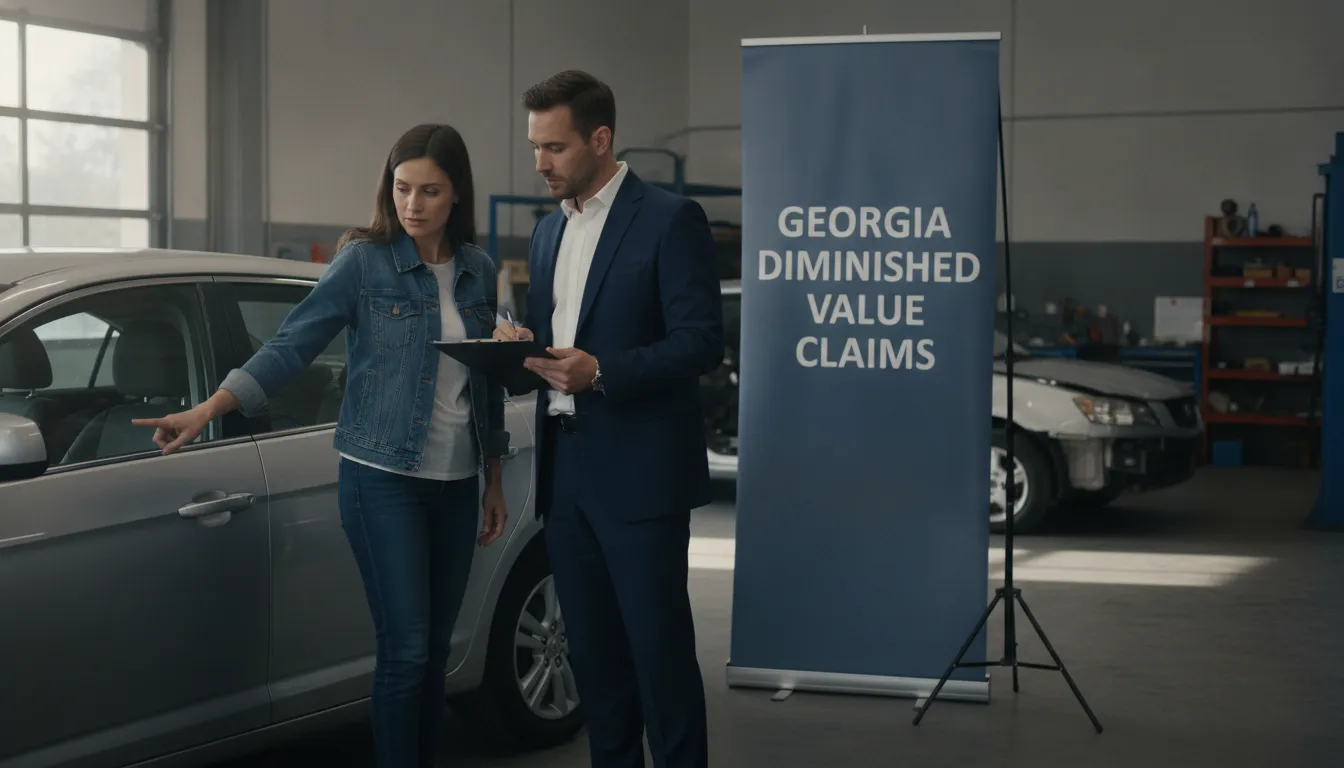
What happens when you reject a diminished value offer?
Saying no to a low settlement is a normal part of the insurance process. Insurance adjusters work on property claims every single day. Their goal is often to close files as cheaply and quickly as they can. If you reject a diminished value offer, it does not end your claim. Instead, it starts the real work of getting the money you lose when your car’s resale value drops after a wreck.
Your right to a fair payout
Georgia law has rules to help you get a fair and fast settlement. Under Georgia state rules, insurers must follow specific steps to handle property damage claims. You have the right to ask for a full report on how they found their numbers. Many companies use the 17c formula to save money. This formula often caps your payout at 10% of the car’s value before the crash. It does not look at the real market or how much buyers will actually pay for a car with a repair history.
How the insurer might react
When you turn down their first offer, the adjuster will likely try to hold their ground. They may tell you that their offer is final or that their formula is standard across the state. Do not let this stop you. At this stage, it is vital to avoid signing any release forms. You should also not cash any checks that say “full and final settlement” on them. Doing so could end your right to seek more money. Instead, tell the company in writing that you do not agree with their offer.
Common tactics adjusters use after you say no include:
- Claiming that the repairs made the car like new again.
- Saying that the 17c formula is the only way the law allows in Georgia.
- Claiming that a car with a small wreck history does not lose any value.
- Waiting for weeks to reply to your messages to make you feel rushed.
The next steps in your dispute
To move forward, you will need to show that your car is worth more than they say. You can negotiate your diminished value settlement by showing real-world data from car sales. Some owners get an appraisal from an expert to show the true loss in value. In some cases, a new appraisal has led to a payout three times higher than the first offer.
You can also get a fair diminished value settlement by working with a law firm that knows insurance tactics. Georgia law says that insurers must say if they will pay within 15 to 30 days after they get proof of loss. If they still refuse to pay a fair amount, you may need an expert review of your file. Having an expert look at your claim can help you find errors in the insurer’s math and build a stronger case.
How to reject a low offer without weakening your claim
Getting a low offer from an insurance firm can feel like a dead end. But in Georgia, you should see this as just the first step in a longer talk. Insurance firms often use a math tool called the 17c formula to set their price. This math often caps your claim at 10% of the car’s value before the wreck. It also cuts that small amount even more for high miles or past damage. This number is usually much lower than the real loss you face in the market.
When you get a fair diminished value settlement, it reflects the true loss of resale value. If the offer is too low, you have the right to say no. You must do this with care to protect your legal rights. Using the right steps now will help you build a stronger case later.
Why insurance offers start low
Adjusters are taught to keep costs down for their firm. They handle these claims every single day. Their goal is to close your file quickly and for as little money as possible. They may ignore the small facts of your car or the local market in Atlanta. This is why their first number is rarely their best number. They know that many people will just take what is offered without a fight.
You need to show the adjuster that you know your rights. In Georgia, there are clear rules for settling property damage claims fairly. These rules help make sure the work moves at a steady pace. Georgia drivers can often claim between 10% and 50% of their car’s value after a wreck. When you reject an offer, you are asking the firm to look at the real facts of your case.
Steps to reject a diminished value offer
Knowing how to reject a diminished value offer is key to getting the money you are owed. You have up to six years in Georgia to file for property damage. Follow these steps to keep your claim strong:
- Ask for a list of reasons. You have the right to know how the firm came up with their number. Ask them to show you the data they used to judge the loss in value of your car. If they used a formula, ask why it applies to your specific car.
- Check your claim dates. Georgia law has rules about how fast an insurance firm must act. For example, they must let you know they got your claim within 15 days. They also must say if they will pay or not within 15 to 30 days of getting proof of loss.
- Save all your files. Keep every email, letter, and repair bill. These records prove what happened to your car and what the firm said. A clear paper trail is your best tool in a dispute later on.
- Get an expert report. A pro check can show the real market loss. One case saw a low offer turn into a $3,800 payout after the owner got a report on their own. This data makes it hard for the firm to stick to a low number that does not match the real world.
- Send a counter-demand. Send a clear letter that asks for a fair amount of money. Use the facts from your own search and report to support your goal. This shows you are serious about getting a fair deal for your loss.
Getting help with your dispute
Talking to a firm on your own can be hard and take a lot of time. If the firm will not budge, you may need to negotiate your diminished value settlement with expert help. A legal team knows the tricks adjusters use to save money. They can spot when a math tool is not fair to you. They can also take your case to court if the firm stays stubborn.
Gastley Law focuses on helping Georgia drivers get the full value they lose after a wreck. We use a model where you do not pay us unless we win more money for you. This means we are on your side from start to finish. If you think your car is worth more, an expert review of your claim can help you find the best way forward.
What evidence strengthens your counter-demand?
When you decide to get a fair diminished value settlement, your case relies on the proof you provide. A simple letter asking for more money is rarely enough to change an adjuster’s mind. You need a file of facts that show your car is worth less now than it was before the crash.
Accurate repair records and photos
The first step is to show the full scale of the damage. Keep every repair bill, part list, and shop note from the body shop. Clear photos of the car both before and after repairs can show how much work was done. These papers prove that even with good repairs, the car’s history now has a major event that buyers will see on a report.
Professional appraisals and market data
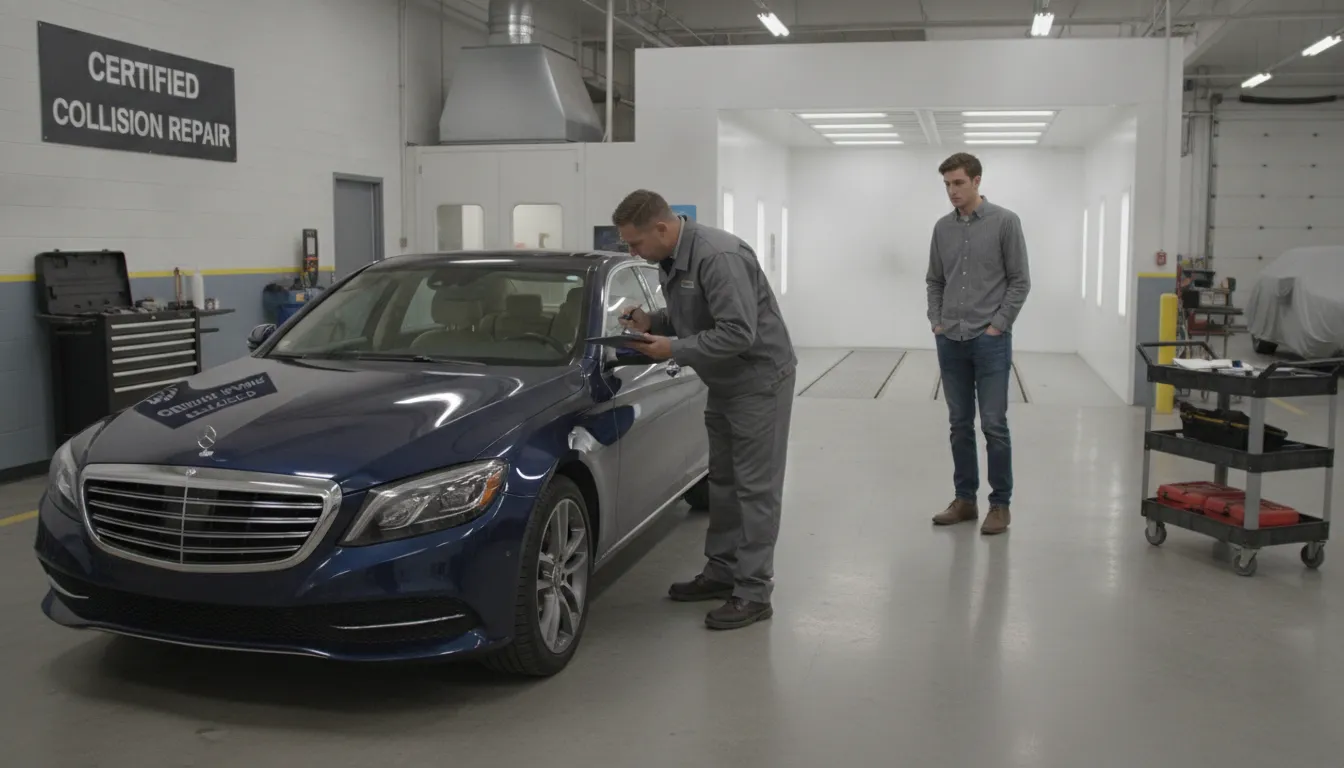
Insurance firms often use the 17c formula. This plan may cap your payout at 10% of the car’s value. You can fight this by getting an independent appraisal from a pro. One owner found that a professional report helped them get a $3,800 settlement. This was nearly three times the first offer. You can negotiate your diminished value settlement with better data to help your case.
Proof of market value loss
You must show what your car would sell for if it had no accident history. Look for sales data for cars like yours in Georgia to build a solid case. State rules like Chapter 120-2-52 set the standards for how claims should be handled fairly. Use these records to show that your vehicle has lost 10% to 50% of its resale value because of the wreck.
Should you keep negotiating or hire a lawyer?
Deciding when to stop talking to the insurance company can be hard. Many drivers start by trying to negotiate your diminished value settlement on their own. But once you reject a diminished value offer, you must decide your next step. You can keep pushing for more or find an expert law firm to help you.
When to stop DIY negotiation
Insurance agents handle claims every single day. They know the rules well and use them to keep payouts low. If you feel like you are not getting anywhere, it may be time for help. Georgia has laws in place to make sure claims move fast. For example, Georgia rules say insurers must say if they will pay within 15 to 30 days. If the company keeps stalling or gives you a low number, they might be using tricks to save their own money.
You can often claim 10% to 50% of your car’s value loss after a crash. If the insurer offers much less than that, they are likely ignoring the real market price. At this point, many people find it hard to get a fair offer without a pro on their side.
| Factor | DIY Negotiation | Hiring Gastley Law |
|---|---|---|
| Time Spent | High (calls, emails, work) | Low (we handle all tasks) |
| Evidence Review | You find and buy reports | We review and front costs |
| Insurer Contact | You talk to the agent | We handle all talks |
| Negotiation | Based on your own work | Based on expert legal skill |
| Costs and Fees | You pay for reports upfront | Pure contingency (no upfront fee) |
| Escalation | Small claims court (limited) | Full legal action in court |
Why expert review helps
An expert review gives you a better chance to get a fair diminished value settlement. A lawyer can see where the insurance company is cutting corners. They look for things like the “17c formula” which often caps payouts at 10% of the car’s pre-crash value. This formula usually does not show the true loss of value in the real world. A law firm can use outside data to show the insurer is wrong.
Gastley Law works on a pure contingency fee model. This means we pay for all the costs for your claim upfront. We only get paid if we help you get more money from the insurance company. This plan lets you fight for what you are owed without any risk of losing more money. We do not promise a specific result, but we use our skills to help you get the best outcome we can. Our goal is to take the stress of the claim off your plate while we work to get you paid.
How might the insurance company respond?
When you reject a diminished value offer, the insurance company will likely follow a set plan. Adjusters deal with these claims every day, and their goal is to close the file as cheaply as they can. Knowing their common moves helps you stay ready for the next step in your case.
Requests for more proof
A common move is to ask for more documents. The adjuster might say they cannot raise the offer without new data. They often ignore the fact that Georgia rules require insurers to settle claims in a fair and fast way. If they keep asking for things you already sent, they may be trying to slow you down. You should keep a clear record of every paper you give them.
You can push back by asking for their proof instead. If they used a set tool like the 17c formula, they may have capped your pay at 10% of the car’s value. You have the right to ask for a formal explanation of how they reached their number. This forces them to show their work and can reveal gaps in their math.
The small offer increase
If you stand your ground, the insurer might offer a small raise. They do this to see if you will take a quick win and go away. But these small steps often still fall short of the true loss. Georgia drivers often lose 10% to 50% of their car’s value after a crash, and a tiny raise rarely covers that gap. Taking it too soon could mean you lose thousands of dollars.
A better path is to use a pro report to back up your claim. In some cases, owners who dispute an offer with a pro report see pay jump to three times the first amount. This data shows the insurer that you know the real market value of your vehicle. It makes it much harder for them to stick to a low offer.
Delay and denial tactics
The insurer might also stop talking or deny the claim with no clear reason. They might hope you get tired of the fight and just give up. In Georgia, insurers must usually say if they will pay within 15 to 30 days after they get proof of loss. If they miss these dates, they may be in breach of state rules. Do not let silence keep you from getting what you are owed.
When the insurer refuses to budge, it may be time for a pro review. You do not have to fight these giant firms on your own. Expert help can help you get a fair diminished value settlement by using legal knowledge the adjuster cannot ignore. This takes the weight off your back and puts the focus on getting the full pay you deserve.
How Gastley Law can take over the next phase
Once you decide to reject a diminished value offer, the next steps are key. You must move from a simple dispute to a legal claim. Gastley Law helps Georgia car owners through this phase. We take the job of talking to the insurance firm off your plate. This lets you focus on your daily life while we fight for what you are owed.
Insurance adjusters handle property damage claims every day. Their goal is to close your claim fast for as little cash as possible. They use high-pressure tricks to get you to sign a release. When you bring in a legal team, you change the way talks go. We make sure the firm follows Georgia rules for fair claim handling.
Reviewing your claim details
Our team starts by looking at every part of your current offer. Many firms use the 17c math to find what they owe you. This math often caps the value loss at 10% of the car’s old value. This cap is often unfair and does not show real market prices. It ignores the fact that a wreck stays on your car’s record for a long time.
We look for gaps in the papers given by the firm. We check if they missed damage or ignored the special parts on your car. You should not have to take a low price just because of a math rule. The firm might not count all the damage to the car frame or paint. Our review helps you get a fair diminished value settlement based on facts.
Building a strong demand
A strong dispute needs a file full of solid proof. We help you get the data needed to show the real loss in market value. This often means getting a car report that fights the firm’s low guess. We look at recent sales of cars just like yours to find the true loss. We use this data to build a strong demand for pay.
We talk directly with the insurance firm for you. Our team knows the tricks they use to lower payouts. We stay firm during talks to make sure your voice is heard. We do not let them brush your claim aside or give you slow answers. You can learn more about how to negotiate your diminished value settlement through our guides.
Our contingency fee model
Gastley Law works on a pure contingency fee model. This means we pay for all the costs of your case up front. You do not pay us any fees unless we help you get more cash. We take the risk so that you do not have to worry about legal bills. This lets you seek a fair deal without any money risk at the start.
Our focus is on getting you the most pay for your car. We handle the papers, the phone calls, and the hard talks. While results vary for every car crash, our goal stays the same. We want to see you treated fairly by the insurance firm. We have helped many owners in Georgia recover the value they lost after an accident.
If the firm still won’t pay a fair price, we tell you what to do next. This might include taking the case to court if the claim is big enough. We give you the legal help you need to make the best choice. We walk you through each step of the court process if that is the path you choose. You can contact us for a free review of your claim today.
When should you get professional help?
Many car owners start the claim process on their own. They hope the insurer will be fair and pay what they owe. But you may hit a wall. If you need to negotiate your diminished value settlement because the first offer was low, you might need help. You should think about an expert when the talks stop or the numbers do not match the real loss.
Stalled talks or hard denials
In Georgia, there are clear rules for how fast a claim should move. Rules from the Georgia Secretary of State say that insurers must act fast to settle claims for property damage. They must often say yes or no to a claim within 15 to 30 days. If the insurer stops calling back or denies your claim without a good reason, a lawyer can step in to help.
You have the right to ask why they said no. If the reason is weak, you may need to reject a diminished value offer and fight back. An expert can look at the facts and find where the insurer is wrong. This help can lead to a fair payout instead of no money at all. You can use their help to push for the full check you deserve.
Unfair math and standard formulas
Insurers often use a math trick called the 17c formula. This trick puts a cap on how much they will pay for value loss. It often limits the claim to only 10% of what the car was worth before the wreck. This math leads to a pay check that is much lower than the real loss. If you see this math in your offer, it is a sign that the insurer is not being fair.
To get a better deal, you need to show the real market value of your car. You can use an outside appraisal to prove your point. People who show real data often see their pay jump. For example, some see their check grow to three times the first offer after they show new proof. You can learn how to get a fair diminished value settlement to see if your offer is low.
High value losses and complex cases
If your car is worth a lot of money, the loss from a wreck can be huge. Georgia car owners can often claim between 10% and 50% of their car’s value loss. For a new or high-end car, that can mean many thousands of dollars. When the stakes are that high, the insurer will work hard to keep their money. They may use many tricks to make you quit or take less.
A law firm that knows the Georgia insurance rules can handle these tough cases for you. They can find the proof you need and talk to the insurer for you. Most firms use a fee plan where they only get paid if you win more money. This means you do not have to pay anything up front to get the help you need to win your claim.
Frequently Asked Questions
Can I reject a diminished value offer from an insurance company?
Yes. You have the right to reject a low offer for your vehicle value loss. In Georgia, insurers often use a formula to limit what they pay. Rejecting an unfair offer is a normal step in the claim process. You can then ask for more money based on the true market loss of your car. This helps you get a fair settlement instead of a tiny check that does not cover the damage.
What if I do not agree with an insurance diminished value offer?
If you do not agree with the offer, do not sign any final papers. You should ask the insurance company to explain their math in writing. According to Georgia rules, companies must follow clear steps to settle claims. You can provide your own proof of value loss to challenge their number. This often leads to a higher payout for your vehicle after a crash.
How do I justify a counter-offer to the insurer’s diminished value offer?
To justify a counter-offer, you need proof of your car’s lower resale value. Insurance companies often use a math tool called the 17c formula to save money. This tool often results in an unfairly low payout for the owner. You can use a professional appraisal to show the real market loss. Showing this evidence forces the insurance company to look at the actual value of your specific car.
When should I involve a lawyer in my diminished value claim?
You should think about hiring a lawyer if the insurance company denies your claim or offers too little. Expert help is often needed for complex property damage claims in Georgia. A legal team can handle the talk with the adjuster for you. This is helpful when the insurer will not move from a low offer. Most specialists work on a fee model where they only get paid if you win more money.
Ready to get the fair payout you need for your car?
If you stop now, you lose the cash the insurance firm owes you for your car’s real loss in value after the crash. You only have a set time to get paid before your rights end, so waiting too long can hurt your case and your wallet. By starting now, you let our team handle the hard work while you get the help you need to move forward.
Ready to request a free consultation? We are here to help you get a fair deal for your car and your claim. Click here to visit our contact page to request a free consultation and talk to a specialist today about how we can help you win your case.
Great content! Keep up the good work!