
Hit and Run Property Damage Claim Georgia: Full Action Guide
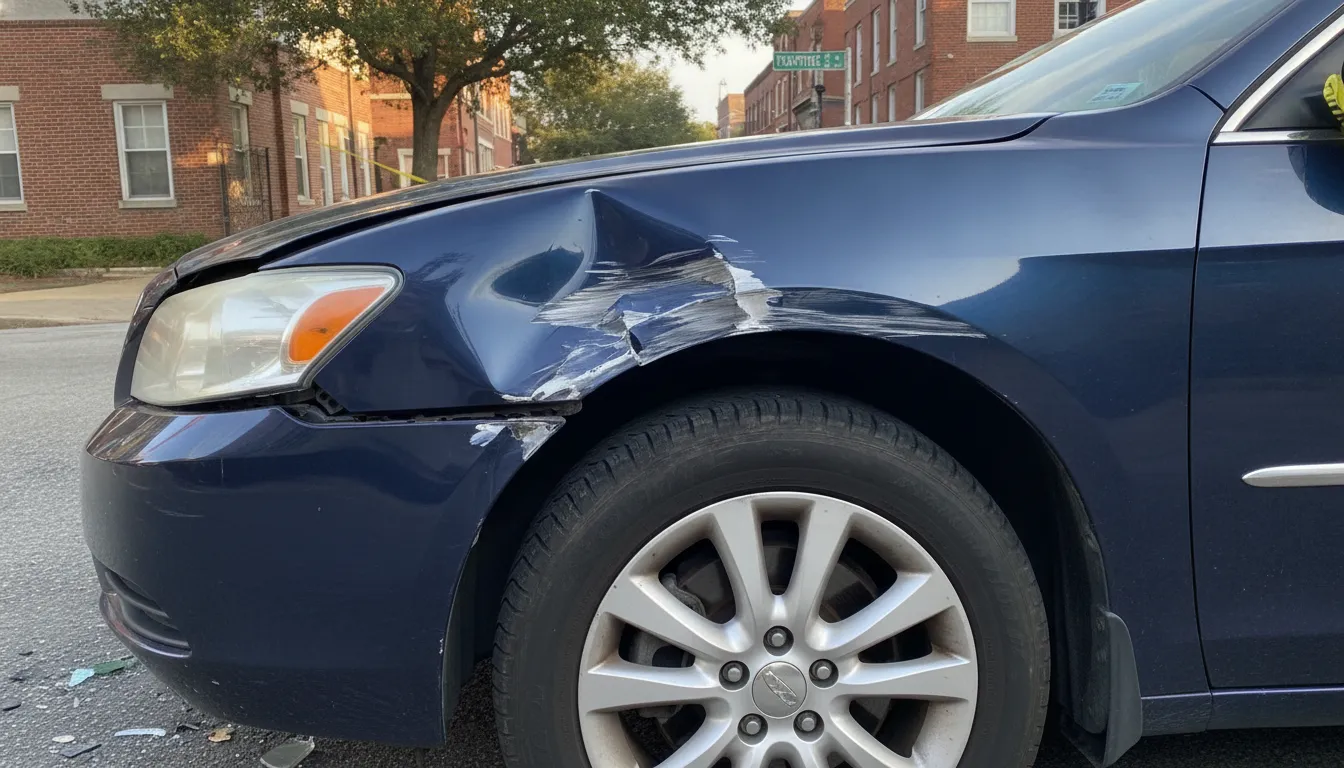
Returning to a smashed car with no note is a hard moment for many Georgia drivers. This sudden loss of value to your vehicle can leave you feeling stuck with a high repair bill. It is important to know that you have options even when the other driver flees the scene.
A hit and run property damage claim Georgia helps you get money for car fixes when the other driver leaves the scene. You can often use your own uninsured motorist property damage coverage to pay for the dents, broken lights, or smashed glass. According to Georgia Department of Driver Services, you must report any crash with over $500 in damage to the police right away. This police report works as proof for your insurance firm when you ask them to cover the wreck and fix the car. State law gives you up to six years to seek these funds and keep your money safe after a hit and run crash.
Many drivers feel overwhelmed when they find their car damaged with no one to blame. You can start the road to repair by asking: What is a Hit-and-Run Property Damage Claim in Georgia? Knowing your rights is the best way to move forward; here is what to know.
Hit And Run Property Damage Claim Georgia: What is a Hit-and-Run Property Damage Claim in Georgia?
A hit-and-run happens when a driver strikes your car and leaves the scene without stopping. In Georgia, this is against the law and can lead to big legal trouble for the person who fled. For the victim, a hit and run property damage claim Georgia is the way to get money for car repairs and lost value. Even if the police never find the other driver, you still have ways to get paid through your own insurance policy. You do not have to pay for someone else’s mistake out of your own pocket.
Legal Duties After a Crash in Georgia
Georgia law is clear about what drivers must do after a crash. All drivers must stop in a safe place at once. If the damage to property is more than $500, they must call the police right away. When a driver hits a parked car, they must find the owner or leave a note with their name and address. Failing to do these things turns a simple accident into a crime.
If you are the victim, your first step is to call the police to file a report. This report is a key piece of proof for your claim. It should list the time, date, and place of the hit. It also records any proof found at the scene, like paint chips or parts from the other car. This report helps your insurance company see that the crash was real and that you are not at fault. Without this paper, your insurer might deny your claim.
How Insurance Covers Hit-and-Run Damage
Many people think they cannot get money if the other driver is gone. However, a hit and run property damage claim Georgia often uses your own insurance. If you have Uninsured Motorist Property Damage (UMPD) coverage, your insurer treats the unknown driver as if they had no insurance. This coverage helps pay for your car repairs and other losses.
In Georgia, UMPD is a choice you make when you buy your policy. It is often very cheap but offers great peace of mind. If you do not have it, you might have to use your collision coverage. Collision coverage often has a high deductible that you must pay first. UMPD often has a much lower deductible for hit-and-run cases. Knowing the statute of limitations for property damage is vital so you do not miss your chance to file.
Why the Value of Your Car Matters
A hit-and-run does more than just dent your car. It lowers the price you can get if you sell it later. Even after a shop fix, most buyers will pay less for a car that was in a wreck. This loss in worth is called diminished value. You can add this to your property damage claim to get a full check.
At Gastley Law, we focus on helping you get every dollar you are owed. We help you find the real market worth of your car before and after the hit. Our team knows how to talk to insurers to make sure they pay the right amount. You can learn more about our diminished value service to see how we fight for fair pay. We work on a fee model where you pay nothing up front.
Step-by-Step Action Plan After a Georgia Hit-and-Run
A hit-and-run crash can leave you feeling lost and angry. In Georgia, you have rights even if the other driver fled the scene. Taking the right steps now can help you win your hit and run property damage claim Georgia. You must act fast to protect your legal options and get the money you need to fix your car.
Quick actions to stay safe
Your first goal is to stay safe. Georgia law says all drivers must stop right away in a safe spot after a crash. Do not try to chase the other driver. This could put you in more danger or lead to more crashes. Instead, pull your car to the side of the road if you can. Turn on your flashers so other drivers can see you clearly.
Reporting the crash to the police
You need a formal record of what happened. In Georgia, you must tell the police right away if the damage to your car costs more than $500. A police report is vital for your insurance claim. It shows the date, time, and facts of the event. Even if the damage seems small, a report proves you followed the law and helps your case later.
- Call the police to report the hit-and-run. Tell the operator where you are and that the other car left the scene. Wait for an officer to arrive so they can write a formal report for your records.
- Take photos and videos of the scene. Capture the damage to your car from many angles. Show the spot, road signs, and any skid marks left on the ground. These views provide strong proof for your claim.
- Look for people who saw it and nearby cameras. Ask anyone who saw the crash for their names and phone numbers. Look at stores or homes nearby to see if they have door bells or security cameras that filmed the hit.
- Write down every detail you recall. Note the color, make, and model of the car that hit you. Try to remember any part of the tag number or what the driver looked like. These notes help the police find the runner.
- Contact your own insurance company. Tell them about the crash and give them the police report number. If you have Uninsured Motorist Property Damage coverage, your policy may pay for the fixes and the loss in value.
- Check the deadline to file your case. Georgia has a six-year statute of limitations for property damage claims. Acting now ensures you do not miss your chance to get paid for your car’s lost worth.
Building your case for maximum value
Getting your car fixed is only the first step. You may also be able to get cash for your car’s lost resale value. This is known as diminished value. Many people do not know they can still file a claim when the other driver is gone. You can learn more about filing a third-party claim or using your own policy to get these funds.
Insurance teams often try to pay as little as they can. They might use a math rule called the 17c formula to lower your payout. You do not have to take their first offer. A good lawyer can help you fight for the full amount your car lost. Keeping good records from the start makes this fight much easier to win.
If you have questions about your claim, call Gastley Law at 770-557-2838. We help Georgia car owners get the full value they deserve after a crash. We do not charge anything upfront, so there is no risk to you. Our team will look at your case for free and help you plan your next move.
Does Insurance Cover a Hit-and-Run Property Damage Claim in Georgia?
Yes, you can often get money for a hit and run property damage claim in Georgia. Many people think they have no choice if the other driver leaves the scene. But your own auto insurance policy may give you the help you need. You just have to make sure you have the right type of coverage in place before the wreck happens. If you have the right plan, your insurer will step in to cover the costs of the crash.
A hit-and-run crash can be a big stress for any car owner. You are left with a damaged car and no one to pay for the work. But Georgia law protects drivers who have the right plans. These plans help in cases where the driver who caused the crash is not found or has no insurance. You do not have to pay for someone else’s mistake if your policy is set up well.
Uninsured Motorist Property Damage (UMPD)
The main way to fix your car after a hit-and-run is through Uninsured Motorist Property Damage (UMPD). In Georgia, an unknown driver who leaves the scene counts as an uninsured motorist. This coverage pays for the damage to your car and other items. You should call the police right away if the damage looks like it will cost more than $500. This report is a key piece of proof for your claim.
UMPD is a good choice because it often has a low deductible. It also lets you seek funds for diminished value. This is the drop in your car’s market value after a crash. Most insurance firms try to pay as little as they can for these claims. Gastley Law works to make sure you get every dollar the policy owes you for your loss. We know how to push back against low offers.
Collision Coverage as Another Choice
If you do not have UMPD, you might still use your collision coverage. Collision insurance pays to fix your car no matter who caused the wreck. This is helpful when the other driver is gone and cannot be found. But using collision coverage often means you have to pay a much higher deductible out of your own pocket. This can be a big cost to pay upfront.
One big downside of collision coverage is that it may not cover your loss of value. Many plans only pay for parts and labor to fix the car. They do not account for the fact that your car is now worth less because it has a crash history. It is wise to check your plan or talk to a pro before you file your hit and run property damage claim in Georgia. You want to know what your plan covers before you start.
| Comparison Point | UMPD Plan | Collision Plan |
|---|---|---|
| Typical Deductible | Often $250 | $500 or more |
| Lost Market Value | Usually covered | Often excluded |
| Proof of Fault | Must prove other fault | No proof needed |
| Driver Identity | Works for unknown drivers | Works for any driver |
| Impact on Rates | Small impact | Can be high |
Filing Your Claim Within the Time Limit
You have a lot of time to start a case, but you should not wait. Georgia law has a six-year limit for property damage claims. This gives you time to find a lawyer and build a strong case. But waiting too long can make it hard to find people who saw the crash. It can also be hard to get clear photos of the damage from the day it happened. Early action is best for a win.
If the police find the driver who hit you later, you may have more choices. You could file a suit against that person for all your losses. This includes repair costs and any money you lost because your car is now worth less. Our team at Gastley Law knows how to handle these tough cases and deal with the insurance firms for you. We fight to get you the best result for your property damage.
Documenting Your Vehicle Repairs and Assessing Loss of Value
When you file a hit and run property damage claim Georgia, how you track repair work matters. You should keep every shop bill and part list. These files show the full scope of the wreck. If your car has more than $500 in damage, Georgia law says you must report it to the police right away. A police report helps prove the facts of the crash to your insurance firm. This is a key first step in getting the money you need to fix your car.
Track your repair work
Do not just take the first check from a shop. You need to see a full list of what they fixed. Good records help us prove that your car is worth less now than it was before the hit. You should save these items:
- Photos of your car from before and after the work.
- A full list of every part the shop used.
- Bills that show if the parts were new or used.
- All notes from the shop about the repair job.
If the shop uses old or used parts, your car might lose more value. Gastley Law helps you look at these files. We make sure the shop does the job right.
The 17c formula trap
Most insurance firms use a tool called the 17c formula. They use this to guess how much value your car lost. But this model is often wrong. It usually gives a low offer that does not cover your real loss. Firms like to use this because it saves them money. You do not have to accept what they say. We know how to challenge these low-ball tools. Our team looks at the real market to find the true loss of value. We fight to get you more than what their software says you should get.
Get the full value you deserve
A diminished value claim helps you get back the money you lost because your car was in a wreck. Even after a full repair, a car with a past wreck sells for less. To get the best payout, you need a pro to look at your case. We front the cost for new checks on your car’s value. We also handle all the talks with the insurance agent. You do not pay us anything unless we win your case. This lets you fight for a fair deal without any risk to your own bank account.
Insurance agents want to close your claim fast and for a low price. They might tell you that their first offer is final. This is rarely true in Georgia.
You have the right to ask for more when their offer is too low. We use our legal skill to push for a higher payout. We take the stress off your shoulders so you can focus on your life. If the firm will not pay what is fair, we are ready to take them to court. Our goal is to make sure you get every cent you are owed for your property damage.
What is the Statute of Limitations for Property Damage in Georgia?
When your vehicle is damaged in a hit and run, you must understand the deadlines for filing a claim. In Georgia, these legal deadlines are called the statute of limitations. Failing to act within these limits means you lose your right to recover compensation forever.
The General Four-Year Limit for Third-Party Claims
If you can identify the driver who fled the scene, you can file a civil lawsuit against them. For standard property damage claims against a negligent driver, Georgia law has a strict deadline. Under O.C.G.A. § 9-3-31, you have up to four years to file a lawsuit for property damage in Georgia.
This four-year clock begins on the exact date of the car accident. If you miss this four-year deadline, the court will almost certainly dismiss your case. Generally, these damages are capped at $250,000 in Georgia. However, exceptions apply if the at-fault driver was driving under the influence.
The Six-Year Limit for First-Party Contract Claims
But what happens if the hit-and-run driver is never found? In this common scenario, you must file an Uninsured Motorist Property Damage claim with your own insurance company. This is a first-party claim based on your written insurance policy contract. Under Georgia law, breach of a written contract has a longer deadline.
Specifically, Georgia law has a 6-year statute of limitations for property damage claims when they are based on a written contract under O.C.G.A. § 9-3-24. This means you have six years to file a lawsuit against your own insurer if they refuse to pay your uninsured motorist claim. This longer window gives you more time to negotiate and resolve disputes.
However, you should still review the statute of limitations for property damage rules to ensure you do not miss any critical policy-specific reporting deadlines.
Why You Must Act Quickly After a Crash
Even though you may have four or six years to file, you should never wait. Over time, physical evidence disappears from the scene. Skid marks fade, and memory becomes unreliable. Insurers will also view long delays with suspicion. They may argue that your vehicle damage happened in a separate, later accident. Starting the process right away makes it much easier to prove your case.
When to Seek a Legal Review for Your Hit-and-Run Claim
Navigating an insurance claim after a crash is rarely simple. Even when you deal with your own insurance company, they will try to pay as little as possible. Knowing when to get professional help can make a huge difference in your recovery.
Challenging Unfair Valuation Models
One of the main reasons to seek a legal review is when the insurance company offers a low payout. Insurance adjusters often use software models to calculate your car’s loss of value. In Georgia, they frequently use a system called the 17c formula. This formula is designed to minimize what the insurer pays you for your vehicle’s diminished value.
A lawyer can help you challenge these low-ball models. Your lawyer can hire an independent appraiser to establish the true market value of your vehicle. This ensures you get enough money to cover the actual loss of value and maximize your insurance settlement payout.
Facing Denials and Low Payouts
You should also seek legal help if your insurance company denies your hit and run property damage claim Georgia. Insurers may claim that you do not have uninsured motorist coverage. Or, they might argue that the damage did not happen during the crash.
A qualified lawyer will review your policy to find the coverage you need. They will gather evidence, such as the police report, to prove how and when the damage occurred. This stops the insurance company from using unfair tricks to avoid paying your claim.
Maximizing Your Payout with Elite Representation
At Gastley Law, we do not just negotiate with insurance companies. We are always ready to litigate property damage cases to protect our clients. This willingness to go to court sets us apart from appraisal-only companies and standard law firms.
We handle all cases on a contingency fee model. This means there are no upfront costs for you. We front all appraisal and litigation costs, and you only pay if we win your case. This risk-free approach ensures you can fight for the full compensation you deserve without financial stress.
Frequently Asked Questions
Can you sue for hit-and-run in Georgia?
If the police find the driver who fled, you can sue them to pay for your car. This legal step helps you get money for car fixes and medical bills. According to experts, you can also seek funds for the lost resale value of your truck or car. A lawyer can help you find the driver and hold them to blame for the crash in a Georgia court.
What is the punishment for hit-and-run in Georgia?
Leaving the scene of a crash is a crime in Georgia that carries harsh fines. If the crash caused serious injury or death, the driver could face one to five years in prison. For property damage cases, the driver may lose their license for at least four months. The Georgia Department of Driver Services notes that these rules aim to keep all road users safe. Drivers must stay at the scene to exchange names and insurance info.
Does Georgia law cap property damage damages?
In most Georgia cases, there is a limit on the money you can get for certain car losses. These payouts are often capped at $250,000 for non-money harm. However, this cap might not apply if the driver who hit you was under the effects of drugs or alcohol. It is vital to talk to a lawyer to see how these limits affect your case. They can help you find the full cost of your car repairs and lost vehicle value.
How long do I have to file a property damage claim in Georgia?
You must act fast to protect your rights after a hit and run crash. According to Georgia law, you have six years to file a claim for damage to your car. If you miss this date, you could lose your chance to get money for fixes. It is best to start your claim as soon as possible while the proof is still fresh. This gives your legal team more time to find the driver and build a strong case.
Ready to schedule a free consultation for your Georgia claim?
If you wait too long to file your hit and run claim, you might lose your right to get money for car repairs. Georgia law has strict time limits for these cases. Missing a deadline means you may have to pay for all your car damage out of your own pocket. Starting your case right now helps us find the proof we need to win.
It also makes it much better to deal with the insurance firm. You should not have to deal with the stress of a hit and run crash on your own. Taking action today helps you protect your rights and gives you the best chance to get back on the road soon. Our team is here to help you get the fair pay you deserve for your lost car value.
Ready to schedule a free consultation? Call (770) 557-2838 to schedule a free consultation.