
Georgia Diminished Value Claim After Hail Damage
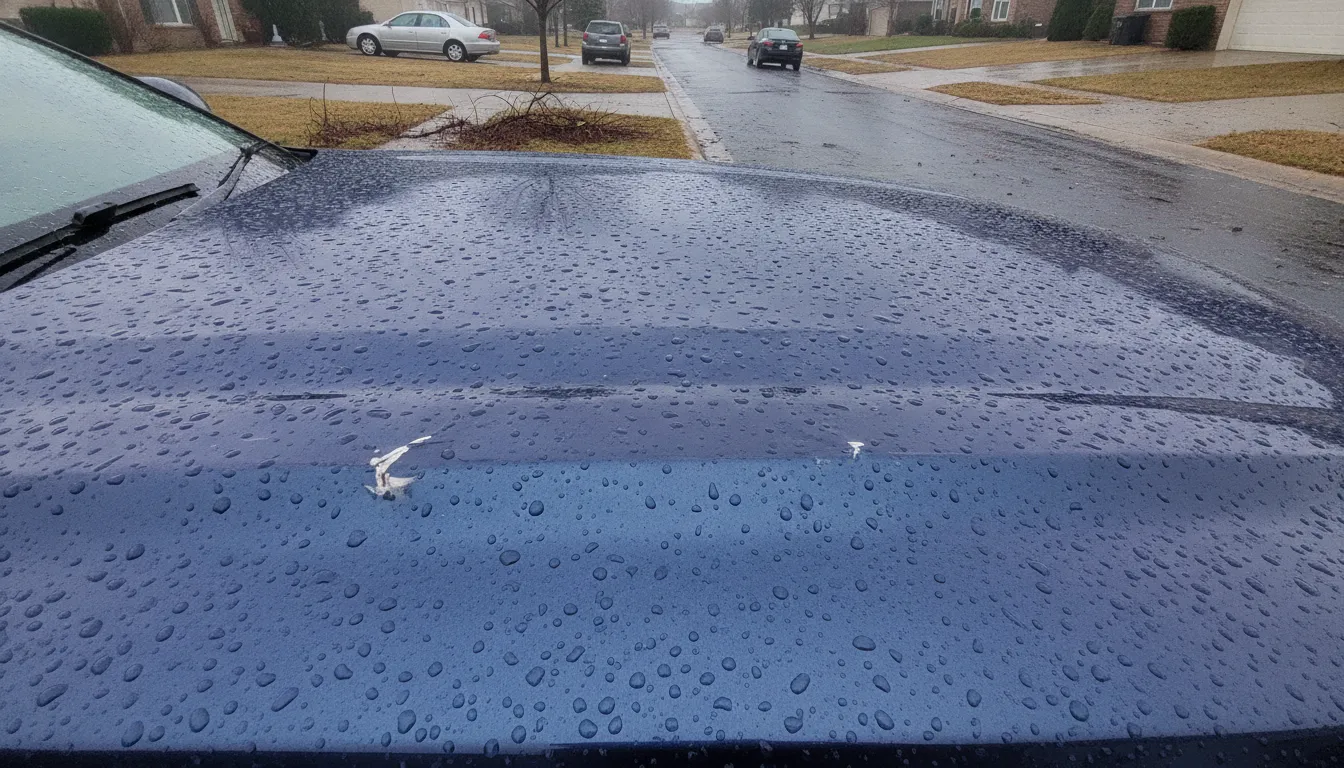
Severe hail can damage thousands of vehicles across Georgia in a single storm. A body shop can repair dents, but it cannot erase the damage entry that may remain on a vehicle history report or restore the vehicle’s full pre-storm market value.
Request a free case evaluation with Gastley Law or call (770) 557-2838 to discuss a Georgia diminished value claim after hail damage.
A Georgia diminished value claim after hail damage seeks compensation for the difference between what a vehicle was worth before the storm and what it is worth after the hail damage and repairs. The repair bill addresses the cost of fixing the physical damage. A diminished value claim addresses the separate market-value loss that can remain after the vehicle looks repaired. Whether a claim is available, which policy responds, and what deadlines apply depend on the policy, the claim history, and the facts of the loss.
Can hail damage support a Georgia diminished value claim?
It can. Hail damage may affect a vehicle’s resale or trade-in value even when a qualified shop completes the repairs. Buyers and dealers may see the insurance claim or repair history and discount the vehicle because they cannot confirm that every hidden concern has been eliminated. Paintless dent repair may improve the appearance without changing the fact that the storm and repairs are part of the vehicle’s history.
Do not assume that accepting payment for dent repair automatically resolves every value issue. Ask the carrier what the payment covers, review the release or settlement language before signing, and keep a separate record of any diminished value request. A vehicle owner should also avoid promising an exact recovery amount before the vehicle, records, policy, and market evidence have been reviewed.
How hail damage can reduce a vehicle’s market value
Repair quality does not erase the history
Professional repairs can make a vehicle safe and presentable, but a history report may still show a hail claim or substantial repair. That history can affect a buyer’s confidence, a dealer’s appraisal, and the price the owner can negotiate. The effect may be greater for newer vehicles, luxury models, specialty trucks, and vehicles with a strong clean-history premium.
The amount is not automatically a fixed percentage. It depends on the vehicle’s pre-loss condition, age, mileage, make, model, prior history, location, repair scope, and the evidence of what comparable vehicles sell for. An unsupported percentage or a generic formula is not a substitute for vehicle-specific market evidence.
Repair cost and diminished value are different losses
The cost to replace panels, remove dents, refinish paint, or repair glass is evidence of the physical damage. It does not by itself prove the vehicle’s post-repair market value. A diminished value analysis should explain the vehicle’s condition before the hail, the completed repairs, the remaining history, and the difference between comparable pre-loss and post-repair values.
What insurance coverage may apply in Georgia?
Georgia’s Office of the Commissioner of Insurance and Safety Fire explains that comprehensive coverage generally addresses damage to an insured vehicle from causes other than collision, including severe weather and hail. Comprehensive coverage is optional under Georgia law, although a lender or leasing company may require it. Review the declarations page and the full policy rather than relying on the phrase “full coverage.” Read the state’s auto insurance guidance for the distinction between liability, collision, and comprehensive coverage.
Coverage for the repair and a claim for loss in market value are related but not identical questions. The policy’s exclusions, endorsements, deductible, notice provisions, appraisal language, proof-of-loss requirements, and release terms matter. A carrier may also treat a first-party comprehensive claim differently from a claim involving another driver’s liability coverage. If the carrier says the repair payment is the only amount available, ask for that position in writing and have the policy and claim file reviewed before accepting it as final.
How Georgia vehicle owners should document a hail claim
Start the evidence file as soon as possible. Good documentation connects the vehicle to the storm, shows its condition before and after repair, and gives an appraiser or attorney enough information to evaluate the market-value question.
- Photograph every affected panel, the windshield or glass, the roof, and the vehicle identification number. Use clear daylight images and include a size reference when useful.
- Record the storm date, location, weather alerts, and any available photographs or videos showing when the hail occurred.
- Preserve pre-storm photographs, service records, inspection reports, purchase records, and prior appraisal or trade-in information.
- Keep the insurer’s estimate, supplements, repair authorization, invoices, parts information, final repair records, and rental-car records.
- Save every letter, email, text, estimate, payment explanation, and recorded statement request from the carrier.
- Obtain a vehicle history report and note when the hail claim or repair entry appears.
- Do not discard damaged parts, authorize additional work, or sign a broad release without understanding how it affects a possible value claim.
For a related checklist, review Gastley Law’s Georgia diminished value claim requirements guide. Keep the documents in date order so the claim’s timeline is easy to verify.
What appraisal evidence can strengthen the claim?
Why a repair bill is not enough
A repair invoice shows what it cost to restore the vehicle’s physical condition. It does not necessarily show what a dealer or private buyer would have paid for the same vehicle with no hail history. A claim should identify the vehicle precisely and explain the valuation method, assumptions, comparable vehicles, and market data used.
How an independent valuation can help
An independent appraiser may compare the vehicle’s pre-loss and post-repair condition, inspect the repairs, review the history report, and analyze comparable vehicles in the relevant Georgia market. Ask what qualifications, methodology, inspection process, and supporting sales data the report uses. A report should be specific to the vehicle, not just a calculator result based on book value.
Insurers often reference the 17c formula or a similar worksheet. That formula may be a starting point for an insurer’s evaluation, but it does not automatically establish the vehicle’s actual market loss in every claim. Compare the worksheet with the policy, the vehicle-specific appraisal, and real market evidence before deciding whether the offer is fair.
Steps to take after a low offer or denial
- Ask the carrier for the estimate, valuation worksheet, coverage position, and the reasons for any denial or limitation in writing.
- Check whether the offer covers only repairs or also addresses the claimed loss in market value.
- Compare the carrier’s assumptions with the vehicle’s actual mileage, equipment, prior condition, repair history, and local comparable vehicles.
- Review the policy’s appraisal, dispute-resolution, notice, proof-of-loss, and suit-limitation provisions.
- Respond in writing with the missing evidence and keep proof of delivery.
- Before signing a release, filing suit, or allowing a policy deadline to pass, obtain advice from a Georgia attorney who handles vehicle property-damage and diminished-value claims.
Georgia’s insurance regulator can explain general insurance processes, but it does not replace legal advice or decide the amount of a private diminished value claim. If the carrier does not explain its position or the dispute remains unresolved, a Georgia attorney can evaluate the policy, claim file, appraisal evidence, and available next steps.
How long do I have to file a Georgia diminished value claim after hail damage?
There is no safe universal answer that applies to every hail claim. The policy may contain prompt-notice, proof-of-loss, appraisal, or suit-limitation provisions, and the legal deadline can depend on the claim theory and facts. Report the loss promptly, check the policy, and get Georgia-specific advice based on the date of the storm, repairs, claim communications, and any prior payment or release.
Request a free case evaluation with Gastley Law or call (770) 557-2838 today.
Frequently Asked Questions
Can I make a claim if my hail-damaged car has already been repaired?
Possibly. Keep the before-repair photographs, insurer estimate, repair invoices, final inspection, and vehicle history report. The completed repair does not automatically answer whether a separate market-value loss remains, but missing evidence can make the value question harder to prove.
What if the repairs look perfect?
A good repair can restore appearance and function while a claim or repair entry still affects buyer confidence. The question is the vehicle’s market value after the repair compared with its value before the storm. Vehicle-specific appraisal evidence is more useful than assuming a fixed percentage loss.
Does comprehensive insurance automatically pay diminished value?
Not automatically. Comprehensive coverage commonly addresses hail-related physical damage, but the policy language, endorsements, claim route, and Georgia law must be reviewed to determine what additional value claim may be available. Ask for the carrier’s position in writing and do not sign a release without understanding it.
What should I bring to a consultation?
Bring the policy declarations page, claim number, carrier correspondence, estimates, payment records, photographs, repair invoices, vehicle history report, purchase or trade-in records, and any appraisal or dealer valuation. Gastley Law reports that it has recovered $2.4 million in property damage in the last 12 months, and a case evaluation can help determine what evidence and next step fit your circumstances.
Sources and related Georgia guidance
- Georgia Office of the Commissioner of Insurance and Safety Fire: Auto Insurance
- Georgia diminished value claims
- Vehicle diminished value in Georgia
- Property damage claims in Georgia
Information on this page is general information, not a promise of coverage or a legal opinion about a particular claim. Policyholders should preserve evidence and obtain advice about their own policy and facts.
Contact Gastley Law for a Georgia vehicle damage case evaluation or call (770) 557-2838.