
Diminished Value Leased Car Georgia Claims
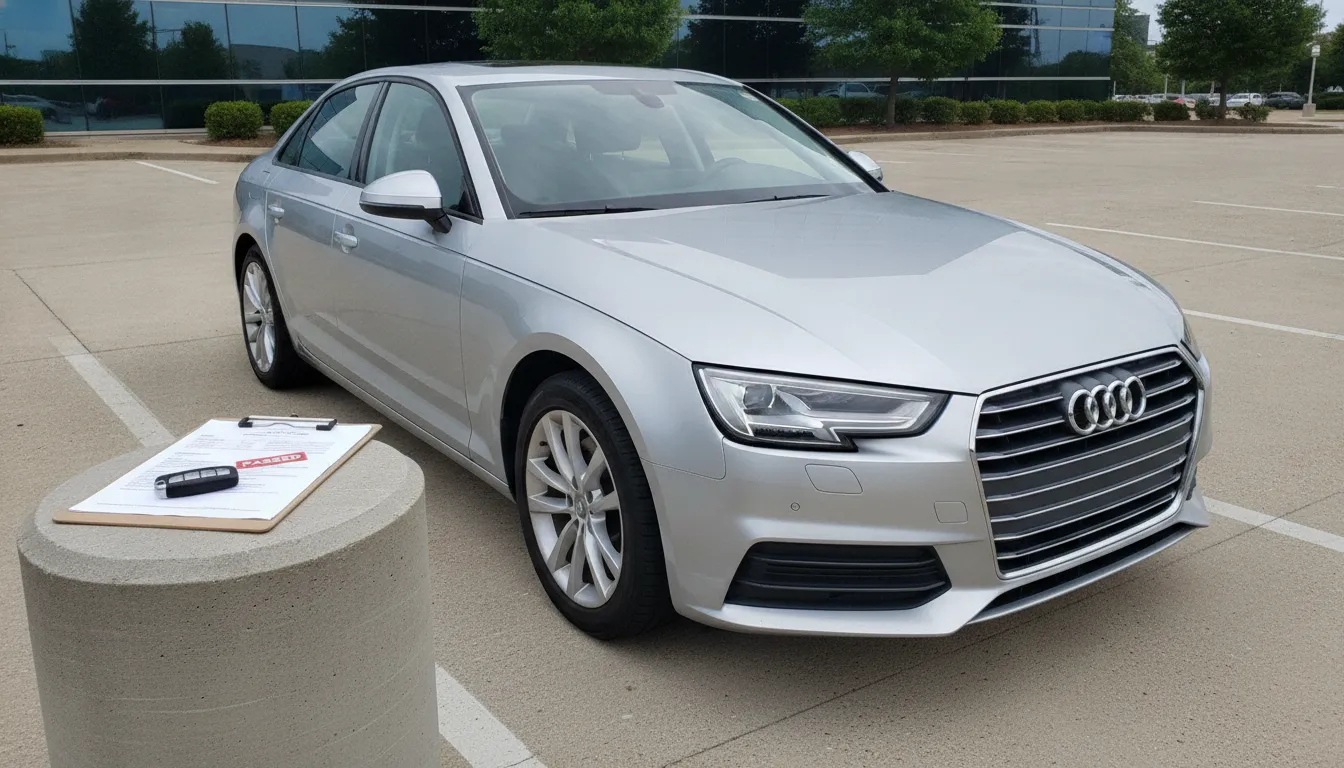
Georgia drivers often face a difficult question after a leased car is repaired: who can pursue payment when the crash history lowers the vehicle’s market value? The answer depends on the lease, the lessor’s rights, and whether the driver may face a direct financial loss at lease end.
Diminished value leased car Georgia claims are complex because you do not hold the title. However, you can still face loss if the leasing firm charges you for the drop in value when your contract ends. Most lease deals hold the driver liable for the resale value of the car. If an accident was not your fault, the at-fault insurance may be on the hook for this loss. Georgia law provides steps for the fair payout of claims to ensure you are not left with unfair costs. According to Georgia insurance rules, insurers must handle these claims in a fair way. You should review your lease and get expert help to see if you can get payment for the loss in value before you return the car.
Need help reviewing your lease and claim rights? Call Gastley Law at 770-557-2838 for a free case evaluation.
Many drivers assume that without owning the car, they have no right to pursue a claim. However, the loss may affect them when they turn in or buy the vehicle. The first step is identifying who holds the claim and who bears the financial loss.
Diminished Value Leased Car Georgia: Who can pursue diminished value for a leased car in Georgia?
Getting diminished value claims in Georgia for a leased car is harder than for an owned car. This is because the person driving the car, the lessee, does not own the title. Instead, a leasing firm is the legal owner. But Georgia law and lease terms may still let you make a claim. You must show that the crash caused you direct financial harm.
The role of the lessee and lessor
Most of the time, the leasing firm owns the car. They would be the ones to seek diminished value pay. But as a lessee, you are often responsible for the car’s state when the lease ends. If a crash makes the car worth less, the firm might charge you for that loss when you return it. This possible charge gives you a financial stake. It may let you seek money from the at-fault driver’s insurance.
Legal and insurance rules
Meeting the Georgia diminished value requirements is the first step. Under Georgia insurance regulation 120-2-52, firms must handle property damage claims in a quick and fair way. For a leased car, your success often depends on the words in your lease contract. You should check your deal for any parts about damage and the right to seek pay for a drop in value.
When a third party is at fault
If another driver caused the crash, their insurance usually pays for the loss in value. In these claims, neither the lessee nor the owner should have to pay for the car’s lower price. It is key to find out who the loss in value harms before you file a diminished value claim. Each lease is different. An expert check is often needed to see if you can seek the funds or if the leasing firm must lead the way.

Which lease terms can affect the claim?
A car lease is more than a monthly payment. It is a legal contract that defines who has rights to the car. When you deal with a diminished value leased car in Georgia, these contract terms decide how the claim works. The fine print can change who gets the money and how much they receive. You must look at specific clauses to see how a wreck affects your wallet.
Ownership and insurance proceeds
The most vital term in your lease is the ownership clause. The bank or leasing company holds the title to the car. Because they own the asset, they usually claim the right to any money for its loss in value. This often makes diminished value claims in Georgia tricky for people who lease. If the car is worth less after a crash, the owner is the one who loses that equity.
Check your lease for an “insurance proceeds” or “loss of use” section. This part of the contract says where insurance checks should go. Some leases say that any money paid for damage must go to the lessor first. Others might allow the person driving the car to keep a part of the funds. If you do not know where you stand, a lawyer can help you find these terms in your paperwork.
Repair standards and end of lease fees
Lease contracts often set high bars for repair work. You may be forced to use original equipment parts from the maker. If a shop uses cheap parts, it could lower the car’s resale value even more. This leads to repair-related loss in value. If the fix is not perfect, the leasing company will notice when you turn the car in. They want the car to be in top shape so they can sell it for a good price later.
When your lease ends, the company will inspect the car. They look for “excess wear and use” that goes beyond normal daily driving. An accident history is a major red flag during this check. If the car has a lower market value because of a wreck, the bank may bill you for that gap. This is why meeting Georgia diminished value requirements is so vital. You do not want to pay out of pocket for a loss that the insurance company should have covered.
Notice rules and legal duties
Most leases require you to give notice after a crash. You often have a set number of days to tell the lessor about the damage. Failing to do this can be a breach of your contract. You also have a duty to help the lessor if they choose to pursue a claim. This is called a “cooperation clause.” It means you must provide facts about the crash and help with the legal process if asked.
The timing of your claim is also bound by state law. In Georgia, insurers must follow strict steps once they know about a loss. They have fifteen days to send you the right forms under Georgia insurance rules. Understanding these rules helps you hold the insurance company to their duties. It also ensures you do not miss deadlines that could hurt your ability to get paid.
Note: This guide provides general info. Lease contracts are complex legal papers. You should always have a legal expert look at your specific lease terms before you take action on a claim.
Steps to protect a leased-car diminished value claim
You must act fast to protect your diminished value leased car Georgia claim. Even if you do not own the car, the lease deal holds you to its terms. A wreck can lower the market value of the car. If the car is worth less when you turn it in, you may owe the leasing firm more money. Proving the loss now can save you from a big bill later. Most people do not know they can fight for this money, but it is your right to ask for a fair deal.
Insurance firms often try to say that those who lease cannot claim lost value. They claim that since you do not hold the title, you have no loss. But Georgia law does not see it that way. If the wreck makes the car worth less, the harm is real. You are the one who might have to pay the dealer for that loss. This is why you must take steps to guard your claim from the start.
Review your lease and insurance rules
Start by reading your lease deal from top to bottom. For many people, getting paid for lost value is harder for a lease than for an owner. The deal will show if you are on the hook for a drop in sales value. If the dealer plans to charge you, you will need the insurance firm to pay for it. Most lease deals have clear rules about wear and tear. A wreck goes far beyond normal wear.
Check your insurance papers too. Georgia has strict rules for property loss claims for most cars. These laws make sure that firms handle your case in a fast and fair way. Learning these rules helps you stand your ground with the insurance firm. They must admit they got your notice within fifteen days. These dates are key for keeping your claim on track.
- Read the lease deal. Look for the part about the car’s worth when the lease ends. This helps you find out if you must pay for a drop in value. Knowing these terms gives you the power to talk to the firm.
- Tell the insurance firm. Report the wreck to the insurance firm right away. Under Georgia law, telling an agent is the same as telling the firm itself. Do not wait for them to call you.
- Keep all records. Save every bill and note about the repairs. These facts help you prove the car’s history when you return it. A clear set of records is the best tool you have.
- Get an expert worth report. A pro can find the true loss in market worth. This is better than the basic math the insurance firm uses. A private check shows the real cost of the wreck.
- File your claim. You must file a diminished value claim to ask for the money you lost. This check helps fill the gap in the car’s worth. It covers the loss that repairs cannot fix.
- Talk to the owner. Tell the leasing firm about your claim. They need to know who should get the check for the lost value. In some cases, the check may go to the dealer to pay down what you owe.
Get proof of the drop in value
To win, you need more than just repair bills. You must show what the car would be worth if the crash never took place. Buyers think a car with a wreck in its past is a risk. This makes it harder to sell and lowers the price. Strong proof can help you show this loss in market value to the firm. Even the best shop cannot erase a crash from the car’s history report.
It is often wise to get help from a pro who knows Georgia rules. They can guide you through the hard steps of the process. This lets you focus on your life while they work to get you a fair deal. Expert help can turn a denied claim into a win. They know how to handle the tricks that insurance firms use to avoid paying.
A good law firm will handle the talks for you. They can find the best experts to value your car. They also know how to file the right papers in court if the firm says no. Having a pro on your side sends a clear message. It shows the insurance firm that you mean it.
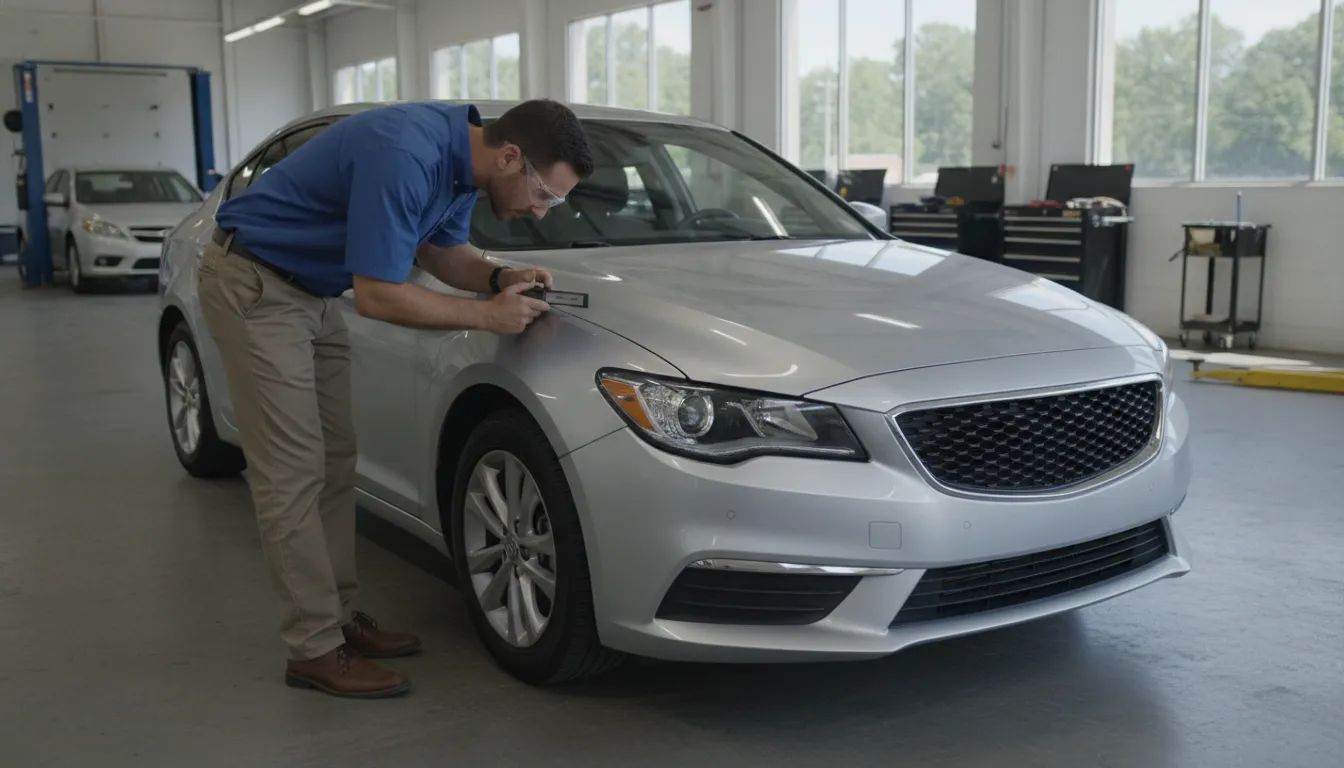
Document checklist for a leased-car claim
You need the right papers to win a diminished value leased car Georgia claim. In Georgia, you must prove the crash made the car worth less. Since you do not own the car, the task is a bit hard. You must show how the damage hurt the resale price. Good files help you file a diminished value claim and get a fair check from the firm.
Crash and repair records
First, get all the records from the crash site and the shop. You will need the police report to show what happened and who is at fault. This paper is the base for your whole case. Repair bills prove how much work the car needed to be safe again. These bills should list every part that was fixed or swapped. Keep a log of all times you spoke with the shop or the insurance agent.
In Georgia, state rules for insurance say firms must help you. They must give you forms to show your loss within fifteen days of your first call. These forms are key for a first-party claim. Use them to list all the damage and the loss in value. In Georgia, you can tell your agent about the crash to start your claim. This is the same as telling the firm directly. You should also take clear photos of the car before and after the shop fixes it.
Lease terms and price data
Your lease contract is a key paper for your case. It is a legal deal that says who must pay for a drop in value. Most lease firms check the car when you return it. If the car is worth less now, the lease firm might charge you for the loss. Read the small print to see your duty to the owner of the car.
You should also get a price report from an expert. This is called a private appraisal. This report shows the gap between the old price and the new price. It shows the loss in value even if the car looks like new. Knowing the Georgia diminished value requirements is key to a win. A good report will look at how many people want to buy a car with a crash in its past. This is the best way to get the most pay from the firm.
How to stay on track
Keep all your papers in one file. This makes it easy to find what you need when the firm asks. Do not wait to get your appraisal done. The more time that passes, the harder it can be to prove the price drop. Talk to a pro if you are not sure what a paper means. They can help you read the small print and find the best way to get paid. Good notes help you stay calm and get the right sum.
| Document Name | Why It Matters | Where to Get It |
|---|---|---|
| Lease Contract | Shows who pays for loss in value at the end. | Your lease firm or your private files. |
| Police Report | Proves the crash details and who was at fault. | The local police or the state patrol office. |
| Repair Bills | Shows the full list of fixed parts and costs. | The body shop that did the work. |
| Accident Photos | Gives visual proof of the damage to the car. | Your phone or the body shop records. |
| Private Appraisal | Gives the true loss in the market price. | A private expert firm for car price. |
| Lessor Note | Permit from the owner to pursue the claim. | The bank or firm that owns the car. |
Unsure whether your documents prove the loss? Call 770-557-2838 to request a free case evaluation.
Questions to ask your leasing company
Check who can file the claim
When you lease a car, you do not own the title. The leasing company does. This means Georgia diminished value requirements are not always simple. You need to find out if you or the lessor has the right to file for the loss in value. Call your leasing firm and ask who owns the claim for a diminished value leased car Georgia.
You should also ask if you need their okay before you start the work. Some firms want to handle the claim themselves. Others will let you do it if you follow their rules. Ask if they have a specific form you must use. You should also ask who needs to sign the final claim papers. Knowing these steps early will help you avoid long waits with the insurance company.
Ask about the claim money and payouts
One of the most vital questions is where the money goes. If the insurance company pays for the loss in market value, you need to know who gets the check. Ask the lessor, “Do the funds go to me or to the leasing company?” In some cases, the money goes to the lessor because they own the car. But if you have to pay for the loss in value at the end of the lease, you may have a right to that money.
The Georgia insurance commissioner says that insurers must send a notice that they got your claim within fifteen days. This rule helps keep the process moving. Ask your lessor if they will work with the insurer for you. If not, ask them for a letter that says you have the right to seek the pay. This can make it much easier to deal with the insurance agent.
Find out how a crash affects the lease end
If you want to buy the car when the lease ends, a crash can change things. A car with an accident history is worth less than a clean one. Ask the leasing company if they will lower the buy price due to the damage. If the price stays the same, you might end up paying too much for a car that is hard to sell later.
If you plan to turn the car in, ask about the return rules. Most leases have fees for “excess wear.” A crash history can count as wear even if the car looks new. Ask the lessor what records they need to see to avoid these fees. You should keep every shop bill and claim record. Also, ask about deadlines. You may only have a short time to report the crash and start your claim. Getting these answers now helps you protect your rights and your cash.
Common issues and when legal review helps
Filing a diminished value leased car Georgia claim brings unique hurdles that owners do not always face. One major issue is that the car owner, known as the lessor, holds the legal title. Many insurance firms use this fact to deny your claim. They may argue you have no right to the funds since you do not own the car. But you are still on the hook for the car’s state when you return it. If the car’s value drops due to a wreck, the leasing firm might bill you for that loss later.
Lease contract risks and charges
Most lease deals need you to return the car in good shape. If the car has past damage, it is worth less in the open market. This drop in price is what pros call diminished value claims in Georgia. You might face a big bill for too much wear and tear or loss of value at the end of your term. Some people choose an early buyout to avoid these fees. Buying the car early might let you claim the loss yourself, but this depends on your exact lease terms.
In cases of a total loss, the rules change. A total loss usually ends the lease, and the insurer pays the owner. But if the car is fixed, the damage stays on its record. This record hurts the car’s resale price. You must check your lease to see if you have the right to fight for this money. Some lessors may not want to help with your claim. This leaves you stuck between the car owner and the insurance firm.
Insurance settlement hurdles
Insurance firms often try to make the work hard for lessees. They might write a check that names both you and the leasing firm. This means you cannot cash it without their okay. Other times, they might send a low offer based on a weak math formula. Georgia rules require insurers to act in a fair way. Under Georgia insurance regulation 120-2-52, firms must handle property claims with care and speed. They have 15 days to admit they got your claim after you notify them.
You might have already received a small check from the insurer. Many people think cashing this check means they cannot ask for more money. That is not always true. You can often still pursue a full claim even after a small payment. The key is to act before the time limit runs out. In Georgia, you usually have six years from the date of the damage to file a diminished value claim. Waiting too long can mean you lose your right to any pay.
When to seek legal help
Legal review is very helpful when the insurance firm stops talking to you. If they deny your claim because you do not own the title, an expert can look at your lease. They can find out if the law supports your right to pay. This is vital because the Georgia diminished value requirements can be complex for leased cars. A lawyer can talk to the leasing firm for you. They can also push the insurer to use real market data instead of a basic formula.
An expert can help find an appraiser to prove the true loss in value. This proof is key to getting a fair deal. If the insurer offers too little, your legal team can take them to court. Gastley Law handles these cases on a fee basis where you only pay if they win. They can review your case at no cost to see if you have a valid claim. For help with your case, you can reach out to them at 770-557-2838. Getting a pro to check your paperwork can save you from big costs when your lease ends.
Frequently Asked Questions
Can I claim diminished value on a leased car in Georgia?
Yes, you can claim diminished value on a leased car in Georgia. But these claims are more complex than those for owned cars. Since the leasing firm holds the legal title, they are often the ones who receive the check. You should check your lease contract for specific rules. Based on Georgia insurance rules, insurers must handle property damage claims in a fair way. An expert can help you find out if you can get a payout.
Who receives the diminished value payout for a leased vehicle?
Usually, the owner of the car gets the money for a diminished value claim. For a lease, the leasing company is the legal owner. This means the insurer will likely send the check to them instead of you. You may still benefit if the payout reduces what you owe at the end of your term. Some lease contracts have terms that let you pursue these funds. It is best to have a pro review your lease and the state laws.
Are you liable for diminished value when returning a leased car?
You might be responsible for the loss in value when your lease ends. If the car has an accident history, it is worth less on the open market. The leasing firm may charge you for this gap when you turn the car back in. This is why it is key to file a claim after a crash. If a third party caused the damage, their insurance should cover the loss. Reviewing your contract will show if you need to pay for this market value drop.
Can you file a diminished value claim in Georgia if the accident was your fault?
Yes, Georgia is unique because you can file a claim even if you caused the wreck. This is known as a first-party claim. Your own insurance policy must cover these losses under state regulation 120-2-52. Most other states do not allow this. You must show that your car lost market value despite being fixed. If your car is leased, you still need to work with the owner. A legal expert can help you through this task.
Ready to claim your leased car diminished value?
Waiting to act on your leased car diminished value claim can cost you thousands of dollars in lost funds. If you do not file your claim soon, you might lose the legal right to get back the money your vehicle lost in price. Starting your case now allows our legal team to find the best proof of your car’s worth before the accident took place. We work hard to get you a fair check from the insurance firm while you focus on your daily life. Do not let the insurance firm keep the money you are owed for the damage to your car. You can learn more about Georgia diminished value rules as you prepare your case.
Ready to request a free case evaluation? Call 770-557-2838 to speak with our team about your claim.