
Car Insurance Supplement Claims in Georgia: How to Pursue Additional Vehicle Damage
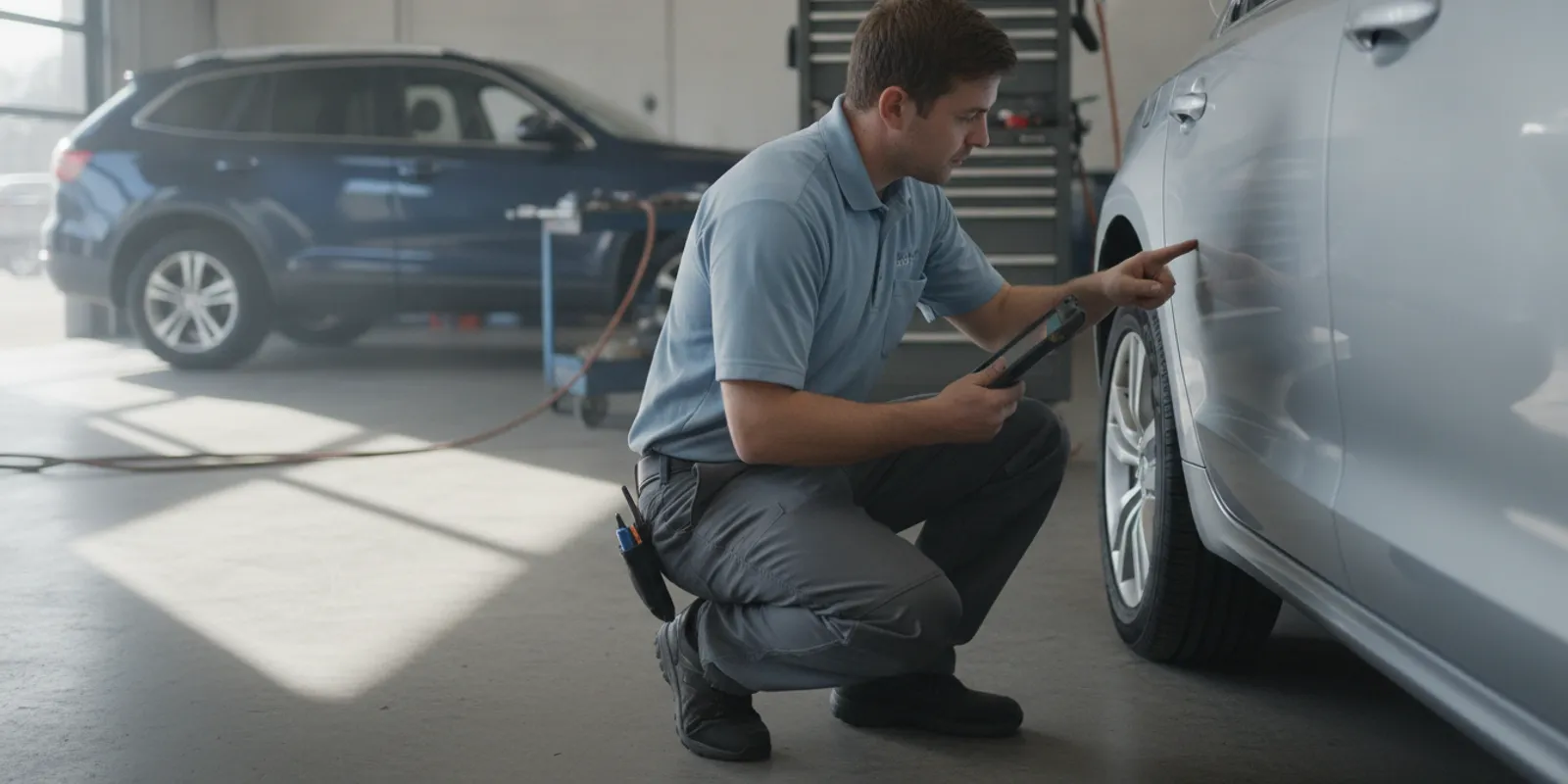
A repair estimate is based on the damage an adjuster can see and the information available at the time of inspection. Once repairs begin, a shop may find additional damage or necessary work that was not included. Car insurance supplement claims are requests to review those newly documented repair items, not a promise that every added charge will be paid. Georgia vehicle owners can make the request easier to evaluate by keeping the estimate, repair records, and supporting evidence together.
Request a free case evaluation with Gastley Law or call (770) 557-2838.
What is a car insurance supplement claim?
A supplement is a request to add repair operations, parts, labor, or related charges to an existing vehicle damage estimate. It commonly arises after a repair facility takes off a damaged bumper, trim, or other component and can see damage that was hidden during the initial inspection. The shop documents the finding, explains what work is needed, and asks the insurer to review the estimate.
A supplement is different from opening an unrelated claim or asking for compensation for a different type of loss. Keep the request tied to the covered vehicle damage from the crash and to the specific repair work at issue. For example, if a shop discovers a bent bracket behind a damaged bumper, its request should identify the bracket, explain how the damage was found, and show why replacement or repair is proposed.
Supplement review does not settle every question about a vehicle claim. The insurer may agree with some line items, ask for more information, or disagree about the scope, method, price, or relationship of an item to the incident. Put the discussion in writing so the parties can track what was reviewed and what remains unresolved.
When may a repair supplement be appropriate?
A supplement may be worth discussing when new information changes the repair plan or makes the original estimate incomplete. Common examples include:
- Hidden damage: A component must be removed before a damaged support, bracket, sensor, or adjacent part can be inspected.
- Additional required operations: The repair plan identifies a necessary operation that the first estimate did not include, such as a documented calibration or alignment check related to the repair.
- Changed parts or repair method: Further inspection shows that a part listed for repair needs replacement, or that the proposed method does not address the documented damage.
- Estimate details need correction: A part, labor operation, quantity, or other entry appears to be missing or inconsistent with the repair documentation.
A difference in preference alone may not establish that an item is necessary or covered. Ask the repair facility to explain the technical reason for each requested change and to separate newly discovered damage from unrelated maintenance, pre-existing damage, or optional improvements. Clear distinctions help the insurer assess the request and help you understand any disagreement.
What should you document before requesting more?
Start by collecting the records that show how the repair plan changed. Keep copies rather than relying on a verbal summary. A clear file can help the adjuster understand the sequence from the first inspection through the newly discovered damage.
- The original estimate: Save every page, including notes, photos, and any revisions already issued.
- Supplement request: Ask the shop for an itemized version that identifies each added or changed operation, part, quantity, and charge.
- Photographs: Save dated images of the damage before repair, any newly exposed damage, and relevant parts or areas. Ask the shop to capture the condition before the work conceals it.
- Repair records: Keep inspection findings, technician notes, parts information, invoices, and written explanations of why the proposed operation is needed.
- Claim communications: Record the claim number, dates, names or departments contacted, requests made, responses received, and any inspection arranged.
- Payment and repair status: Keep any payments, authorizations, and documents showing whether the vehicle has been repaired, is awaiting approval, or is still being inspected.
Do not alter photographs or discard damaged parts before asking whether they may need to be inspected. If work cannot reasonably wait, ask the insurer and repair facility how to preserve evidence and document the condition before repairs continue. Keep the answer with your claim records.
For a broader overview of the stages involved in a vehicle damage file, see Gastley Law’s Georgia car property damage claim guide. If you are organizing evidence for a disputed repair estimate, the firm’s guide to disputing an insurance claim may also help you prepare questions.
How can you request review of an incomplete estimate?
Ask the repair shop and insurer to communicate about the specific missing or changed items. Procedures differ by insurer and policy, so check the claim instructions and ask what format the carrier needs. You can use this sequence to keep the request focused:
- Get the shop’s itemized explanation. Request a revised estimate or supplement that lists each item and its cost. Ask the shop to connect each line to a finding, repair procedure, or photograph.
- Send the documentation through the insurer’s stated channel. Include your claim number, the original estimate, the new itemization, and supporting records. Keep a copy of what you submit.
- Ask what happens next. Find out whether the insurer needs to inspect the vehicle, review photographs, speak with the shop, or receive another document before deciding.
- Request an item-by-item response. If the carrier disputes the request, ask which lines it accepts, which it does not, and what information supports its position.
- Keep repair and claim decisions separate. Ask the shop about repair timing and any authorization needed. Ask the insurer about its review. Do not assume that sending a supplement means work is authorized or that payment is guaranteed.
Send a concise written summary with the request. State what changed since the first estimate, where the supporting documents are, and what response you need. Avoid broad statements such as “the estimate is too low” without identifying the repair lines in question. A specific request gives everyone a practical starting point.
Georgia’s insurance rules include procedures addressing fair and equitable settlement of first-party property damage claims. The Georgia rule is available at Georgia Regulation 120-2-52. It does not mean every requested repair item must be accepted; the facts, applicable coverage, and claim circumstances still matter. For general information about auto insurance and how coverage depends on a policy, the National Association of Insurance Commissioners’ auto insurance overview is another reference.
What should you ask the repair shop?
The repair facility is often the source of the technical details behind a supplement. Ask the shop to explain what was visible during the first estimate, what became visible later, and how that finding changed the repair plan. If the request includes a new part or operation, ask what condition it addresses and whether a photograph, scan, measurement, or other record helps show the need for it.
Ask whether each requested item is new or corrects an existing estimate line. A simple comparison can prevent confusion when an estimate includes many operations. You can also ask the shop to flag items it considers time-sensitive, but do not assume that this means the insurer has approved the work or that a particular payment is assured. Confirm with the insurer how it wants to review added work and with the shop what choices you have while waiting.
If the shop and insurer use different descriptions for the same repair area, ask for clarification before forwarding the paperwork. Specific, consistent names for a part or operation make it easier to compare the estimates. Ask for an updated copy after the parties discuss changes, and save the earlier version so you can see exactly what changed. If the shop cannot explain an item, request clarification before presenting it as a supported additional cost.
As the vehicle owner, you can ask questions and request copies of estimates and communications. Keep the conversation respectful and focused on the evidence. A disagreement over a repair line does not necessarily mean the entire claim is denied; identify whether other items have been addressed and which exact issue remains open.
How should you prepare a clear supplement packet?
Before sending anything, check that the documents tell one consistent story. Match each requested item to the estimate and to evidence showing why it belongs in the repair plan. If the shop uses abbreviations or technical terms, ask for a plain-language explanation. A reviewer should not have to guess whether a line is new, revised, or already included in the first estimate.
A simple cover note can list the claim number, vehicle, date of loss, and date the shop found the additional damage. Then summarize the changes without arguing every point at once. You might write that the attached estimate adds a part found damaged after removal of a specific panel, and refer to the matching photographs and technician notes. Keep the wording factual and ask the insurer to confirm receipt and explain any further information it needs.
Check the math and descriptions before submission. Look for repeated line items, a mismatch between the amount requested and the attached estimate, missing pages, or photos that do not show the referenced area. If a shop revises its estimate, retain the earlier version too. A revision history helps distinguish what the insurer has already considered from a genuinely new request.
It can also help to keep a one-page timeline with the date of the initial inspection, when repair work started, when additional damage was identified, when the supplement was sent, and each response. Do not treat a timeline as a substitute for the underlying records. It is a quick index that helps you locate those records and notice a follow-up that has not received an answer.
How should you respond to an insurer’s estimate or decision?
Compare the insurer’s response with the shop’s line-item request rather than treating the estimate as one lump sum. The table below can help you identify what to ask next. It is an organizing tool, not a rule requiring the insurer to pay a particular amount.
| What you see | What to check | Practical next step |
|---|---|---|
| The insurer agrees with all requested items | Confirm the revised estimate, payment details, and any repair authorization process | Keep the written approval and coordinate the repair plan with the shop |
| Some lines are approved and others are disputed | Identify each disputed item and the insurer’s stated reason | Ask the shop for evidence or a technical explanation directed to those specific lines |
| The insurer asks for more information or inspection | Clarify what is needed, how to submit it, and how an inspection will be arranged | Provide the requested records and retain a copy and submission date |
| The insurer has not responded or the estimate remains unclear | Check when and how the request was sent and whether it was received | Follow up in writing, ask for the current status, and request a clear response on outstanding items |
| The parties still disagree after review | Review the policy, written explanations, repair documentation, and claim communications | Consider appropriate professional guidance before deciding whether to pursue another process |
When you disagree, avoid relying only on a shop’s total or an adjuster’s total. Ask what evidence would address the disagreement. For example, if an insurer says an item is unrelated, the shop may be able to explain where it was found and how it connects to the damaged area. If the disagreement concerns a repair method, ask for the reason behind the proposed method and the insurer’s alternative.
Keep a dated record of follow-ups and save the insurer’s estimates as they change. A careful record can be useful if the issue later becomes part of a broader property damage dispute. Gastley Law’s Georgia guide to insurance settlement offers explains questions to consider when evaluating a claim response, while its insurance appraisal process guide describes a separate process that may be addressed by policy language.
How is a repair supplement different from diminished value?
A repair supplement concerns the cost and scope of repairing damage. A diminished value claim concerns a vehicle’s loss in market value after it has been damaged and repaired. The claims may relate to the same crash, but they address different losses and require different supporting information.
For a supplement, focus on the repair estimate, findings, parts, labor, and evidence that explains the additional work. For diminished value, the question is how the accident and repair history affect the vehicle’s value. A repair supplement approval does not automatically resolve diminished value, and a diminished value request does not replace a request to review missing repair costs.
Georgia vehicle owners looking into that separate issue can read Gastley Law’s Georgia diminished value claim overview and guide to diminished value appraisals. Keeping the issues distinct can make it easier to see which question each document addresses.
What mistakes can make a supplement request harder to review?
- Sending only a total: An unexplained dollar figure gives little detail about what changed. Ask for an itemized request.
- Mixing unrelated issues together: Keep repair items separate from diminished value, loss of use, or unrelated vehicle work.
- Leaving out the original estimate: The reviewer needs to see what was included before and what is newly requested.
- Relying only on phone calls: Follow up in writing with the date, subject, and any next steps discussed.
- Assuming silence means approval: Ask for confirmation of the decision and any authorization before proceeding based on an assumption.
- Accepting an unclear explanation: If a line is declined or changed, ask which item is at issue and why.
These steps do not guarantee a particular claim result. Their purpose is to make the repair request understandable, preserve a record, and identify the exact points that remain in dispute. If a problem involves broader coverage or settlement questions, review the policy and seek guidance suited to the facts of the claim.
Request a free case evaluation with Gastley Law or call (770) 557-2838 to discuss a Georgia vehicle damage claim.
Frequently Asked Questions
Can I ask for a supplement after repairs have started?
It may be possible to request review after a repair begins if additional damage or necessary work is discovered. Ask the shop to document what it found and contact the insurer promptly to learn whether an inspection or other information is needed. The facts and claim process affect how the request is handled.
Does an insurer have to approve every item in a shop’s supplement?
No. A supplement is a request for review, not automatic approval. The insurer may ask for supporting information or disagree with specific items. Ask for a clear explanation of any disputed line and keep the shop’s response with your records.
What if the insurer and repair shop disagree?
Ask each side to identify the exact line item and the reason for its position. Request supporting documentation or a technical explanation, and keep communications in writing. Check your policy and claim instructions to understand any review process that may apply.
Is a supplement the same as a diminished value claim?
No. A supplement seeks review of repair costs or operations omitted from an estimate. Diminished value addresses a vehicle’s potential loss in market value after damage and repair. They are separate issues and need different evidence.
Can Gastley Law help with a repair supplement claim?
Gastley Law focuses on diminished value and property damage claims for Georgia vehicle owners. Whether a particular estimate dispute is appropriate for review depends on its facts. Georgia drivers can contact the firm to discuss their situation and available options.
Keep your estimate versions, repair records, photographs, and written claim responses together so you can see what was requested, what was reviewed, and what still needs an answer.