
Car Accident Property Damage Georgia Rental Car Guide
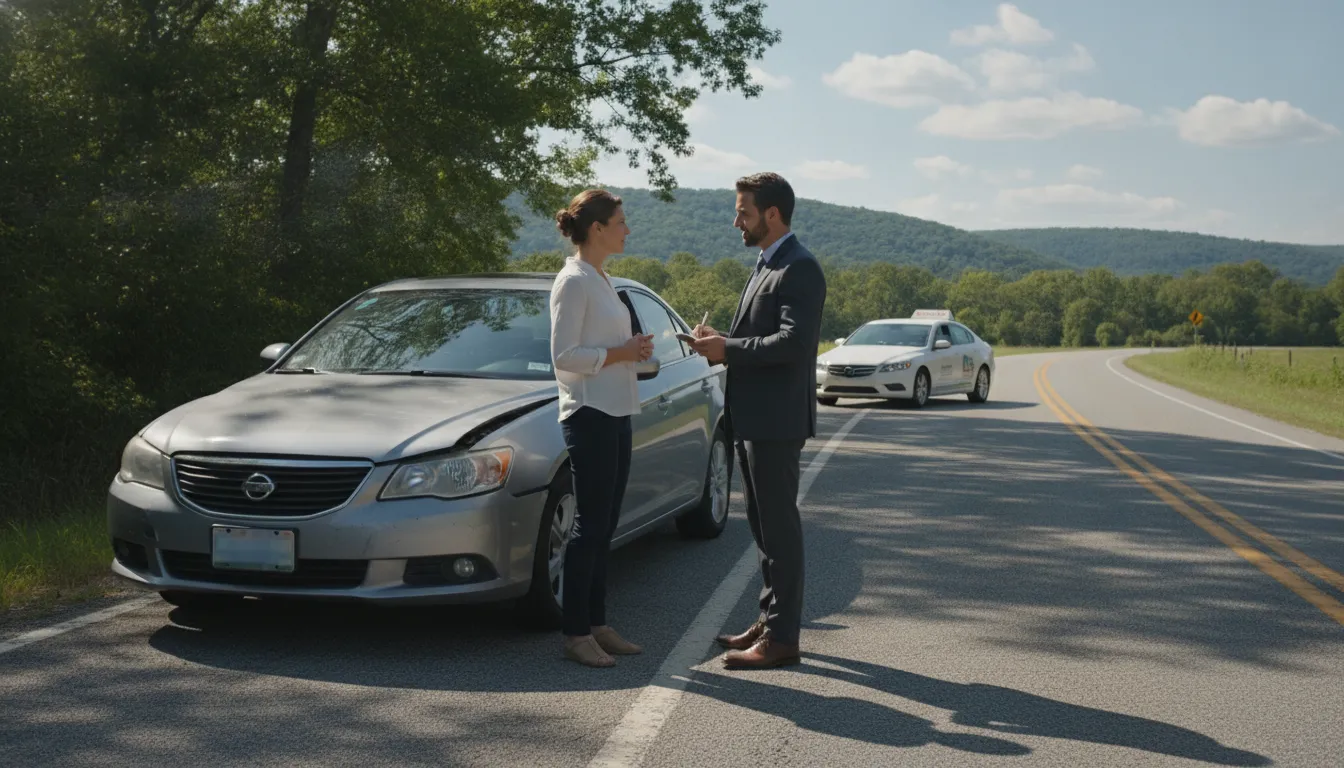
After a Georgia crash, a car accident property damage Georgia rental car claim may involve more than the repair estimate. An unsafe vehicle, necessary repairs, or a total loss can create transportation costs and a period without ordinary use.
Request a free case evaluation with Gastley Law or call (770) 557-2838 today.
A car accident property damage Georgia rental car claim may involve reasonable rental expenses or loss-of-use damages, but payment is not automatic.
Fault, the need for transportation, the repair timeline, policy language, and your documentation can all affect what an insurer owes.
This guide explains the main categories of loss and the insurance paths that may apply. It also identifies records that can support your claim.
It is general information about Georgia claims, not a promise that a particular expense will be covered.
What Counts as Car Accident Property Damage in Georgia?
Property damage covers financial losses connected to your vehicle and its use after a collision. It is different from bodily injury.
Depending on the facts, the property damage portion of a claim may involve repairs, towing, storage, rental transportation, loss of use, total-loss value, and diminished value.
Each category must be connected to the crash and supported with reasonable evidence.
An insurer may review who caused the collision, whether the vehicle was unavailable, how long the loss lasted, and whether the amount requested is reasonable.
A property damage claim does not automatically require an insurer to pay every bill submitted after an accident.
For a broader overview of the process, review Gastley Law’s Georgia property damage claim guide.
Repair costs
If the vehicle can be safely restored, the claim may include reasonable repair expenses caused by the accident.
Keep the initial estimate, photographs, final invoice, supplement requests, and records showing when repairs began and ended.
The insurer may question whether a line item relates to the collision, whether the work was necessary, or whether the charges are reasonable.
Rental costs and loss of use
A damaged vehicle can create transportation losses while it is unsafe or undergoing necessary repairs.
Rental reimbursement usually refers to the reasonable cost of a comparable replacement vehicle. Loss of use may refer to the value of being unable to use the vehicle, even when you did not rent another one.
Those concepts overlap, but they are not identical.
Total loss
When repair is not practical, an insurer may treat the car as a total loss.
The valuation then focuses on the vehicle’s value immediately before the collision rather than a repair invoice. Keep the written valuation, comparable-vehicle information, title records, and all communications about when a rental should end.
Diminished value
Diminished value is a market-value loss that may remain after professional repairs.
A repaired vehicle can be worth less to a future buyer because its accident history is recorded. This is different from repair costs and from rental transportation.
A complete property damage review should consider whether the vehicle’s post-repair value has been affected.
How Do Car Accident Property Damage Georgia Rental Car Claims Work?
Georgia generally uses a fault-based approach to vehicle damage claims.
If another driver caused the crash, that driver’s liability insurer may evaluate reasonable property damage losses, including transportation expenses tied to the damaged vehicle.
The available recovery depends on liability, causation, coverage, proof, and the particular facts.
A rental is easier to explain when your car is unsafe to drive, unavailable during necessary repairs, or otherwise unusable because of the collision.
Choose a vehicle that is reasonably comparable to your ordinary transportation needs. A luxury upgrade or avoidable add-on may create a dispute over whether the full amount was necessary.
There is no universal number of rental days that applies to every Georgia accident.
The reasonable period may depend on inspection, parts availability, repair authorization, supplemental damage, repair completion, or a total-loss decision.
Keep a timeline that connects each day of the rental to a specific event.
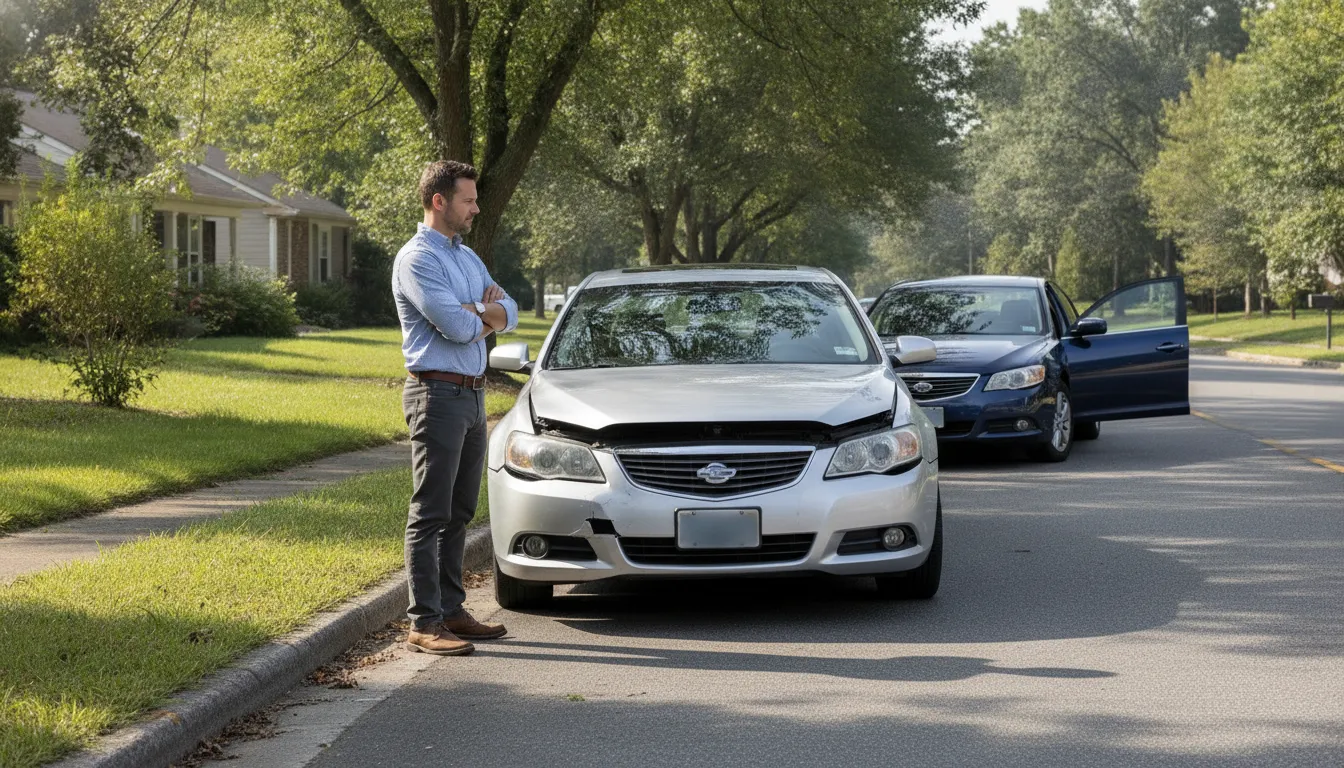
What should the timeline include?
- The date and location of the collision.
- When the vehicle became unsafe or unavailable.
- When the insurer, repair shop, or appraiser inspected it.
- Dates of authorization, parts delays, supplements, and repair work.
- When the vehicle was safe and available for normal use again.
- When the rental ended, or when the insurer declared the vehicle a total loss.
Do not assume that an insurer’s verbal statement about rental coverage is the final position. Ask for the coverage limit, daily limit, recognized end date, and policy basis in writing. Written answers make it easier to identify the precise point of disagreement.
Rental Reimbursement and Loss of Use Are Not the Same
Rental reimbursement and loss of use are two ways transportation damage may be discussed after a crash. Rental reimbursement focuses on the expense of obtaining replacement transportation. Loss of use focuses on the value of being deprived of the vehicle. The evidence needed for each can differ.
| Issue | What it generally addresses | Helpful records |
|---|---|---|
| Rental reimbursement | Reasonable cost of comparable replacement transportation | Rental agreement, receipts, daily rate, vehicle class, dates, and insurance communications |
| Loss of use | Value of being unable to use the vehicle, even without a rental | Repair records, unavailable dates, vehicle condition, transportation needs, and evidence supporting the amount |
| Repair delay | Time required to inspect, authorize, obtain parts, and complete necessary work | Shop notes, supplement requests, insurer emails, parts updates, and completion date |
You may have a possible loss-of-use issue even if you borrowed a car, used rideshare services, or stayed home rather than renting. That does not mean every period without a vehicle has a fixed dollar value. The amount and duration still require factual support.
For a focused explanation of transportation documentation, see Gastley Law’s loss of use claims in Georgia resource and its rental car reimbursement guide.
Have questions about rental reimbursement or loss of use? Call Gastley Law at (770) 557-2838 for a free case evaluation.
Which Insurance Obligations Apply to Rental Cars in Georgia?
The answer depends on the insurance route, the policy, and the facts establishing responsibility. When another driver caused the collision, the at-fault driver’s liability coverage may be relevant. Your own policy may also provide collision or rental reimbursement coverage. These routes can have different limits, deductibles, conditions, and claim procedures.
Liability coverage and responsibility for the crash
A liability claim generally requires evidence that another driver caused the collision and that the requested property losses resulted from it. The insurer may investigate the crash, inspect the vehicle, review the repair estimate, and evaluate the rental period. Fault may be disputed even when the damage itself is obvious.
Your own rental reimbursement coverage
Rental reimbursement coverage is optional in many policies and is controlled by the policy’s terms. Check the daily and total limits, eligible vehicle class, deductible rules, and any requirement to obtain approval before renting. Collision coverage by itself does not necessarily mean that a rental benefit is included.
Prompt and fair claim handling
Georgia insurance rules address claim handling and settlement practices. The Georgia administrative rule on prompt and fair first-party property damage settlements is one source to review when the dispute involves a first-party claim. The Georgia Office of Insurance and Safety Fire Commissioner also provides auto insurance resources.
These resources do not decide the value of an individual claim. Coverage language, evidence, liability, and the amount of the loss remain important. If an insurer cites a policy exclusion or limit, request the exact provision and explanation in writing.
What Evidence Strengthens a Georgia Rental Car Claim?
The strongest file tells a consistent story from the crash through the end of the loss. Save original records instead of relying only on a summary or memory. Organize the file by date so the relationship between the vehicle damage and each expense is easy to follow.
- Crash report, photographs, witness information, and insurance claim number.
- Repair estimates, supplements, invoices, parts notes, and shop communications.
- Rental agreement, receipts, daily rate, vehicle class, and optional-charge details.
- Records showing when the vehicle was unsafe, unavailable, repaired, or declared a total loss.
- Emails, letters, text messages, and claim notes from the insurer.
- Valuation reports, comparable vehicles, title information, and evidence of diminished value.
- A calendar or spreadsheet showing each day without ordinary use of the vehicle.
Do not discard damaged parts or sign a broad release before understanding what it resolves. A release may affect later property damage, rental, loss-of-use, or diminished-value issues. Ask questions before accepting an offer that combines several categories into one unexplained amount.
How Do Repairs, Total Losses, and Diminished Value Affect Rental Costs?
The vehicle’s path usually affects the transportation analysis. With repairs, the question may be how long necessary work reasonably required. With a total loss, the discussion may shift to the time needed to inspect, value, negotiate, and obtain replacement transportation. With diminished value, the rental issue is separate because the vehicle may be usable again while still worth less after repairs.
When repairs take longer than expected
Parts delays, hidden damage, supplements, and authorization disputes can extend the repair timeline. Preserve the shop’s explanation for each material delay. If the insurer says the rental should have ended earlier, compare that position with the inspection and repair records.
When the vehicle is declared a total loss
Ask the insurer when it considers the vehicle unavailable for purposes of rental coverage and how it calculated that date. Keep the valuation, offer, title instructions, and communications about transportation. Do not rely on an informal statement when the rental charges are accumulating.
When the car is repaired but worth less
Repair completion does not necessarily answer whether the vehicle lost market value. A diminished-value claim, if supported by the facts and applicable Georgia law, is distinct from the rental bill. Review both issues so that a settlement discussion does not overlook one category.
Gastley Law also explains the difference between vehicle repair and lasting value loss in its Georgia diminished value resource.
What If an Insurer Delays or Denies Property Damage?
Start by asking for the insurer’s position in writing. Request the policy language, factual reason, recognized dates, daily or total limits, and documents the adjuster relied on. A clear denial or partial offer is easier to evaluate than a series of informal calls with no stated basis.
Keep communicating in a professional, factual way. Correct errors in the timeline, send missing records, and preserve proof that you submitted them. Avoid exaggerating the rental class, length of time, or amount of loss. A credible file addresses weaknesses as well as strengths.
If the dispute continues, a Georgia property damage attorney can review fault, coverage, causation, rental records, loss of use, repair evidence, and any diminished-value issue. Gastley Law focuses on diminished value and property damage claims for Georgia vehicle owners, and its guide to suing an insurer over property damage provides additional context.
Request a free case evaluation with Gastley Law or call (770) 557-2838 before signing a release or accepting a disputed property damage offer.
Frequently Asked Questions
Who pays for a rental car after a Georgia car accident?
When another driver caused the crash, that driver’s insurer may be responsible for reasonable rental costs as part of the property damage claim. Your own policy may also provide rental reimbursement. Fault, coverage, vehicle class, rental dates, and documentation affect the result.
Do I have to rent a car to claim loss of use?
Not necessarily. A loss-of-use claim may be possible even if you did not rent a replacement vehicle. You still need evidence showing that the vehicle could not be used and supporting the period and amount claimed. The outcome depends on the facts, policy, and applicable law.
How long will insurance pay for my rental car?
There is no universal number of covered days for every claim. An insurer may apply a daily limit, dollar cap, or end coverage when repairs are complete or a total-loss decision is made. Ask for the recognized dates in writing and keep the repair timeline.
What should I do if the insurer denies my rental or property damage claim?
Request the denial and policy basis in writing. Preserve photographs, estimates, receipts, repair records, insurer correspondence, and proof of time without the vehicle. Do not sign a release before understanding which losses it resolves. A Georgia property damage attorney can review the available evidence and options.
Contact Gastley Law About a Georgia Property Damage Claim
Rental costs, loss of use, repairs, total losses, and diminished value can overlap after a crash. A careful case review can clarify which issues may apply and what documents support them. Contact Gastley Law or call (770) 557-2838 to request a free case evaluation.