
How an Aftermarket Parts Diminished Value Claim Works in GA
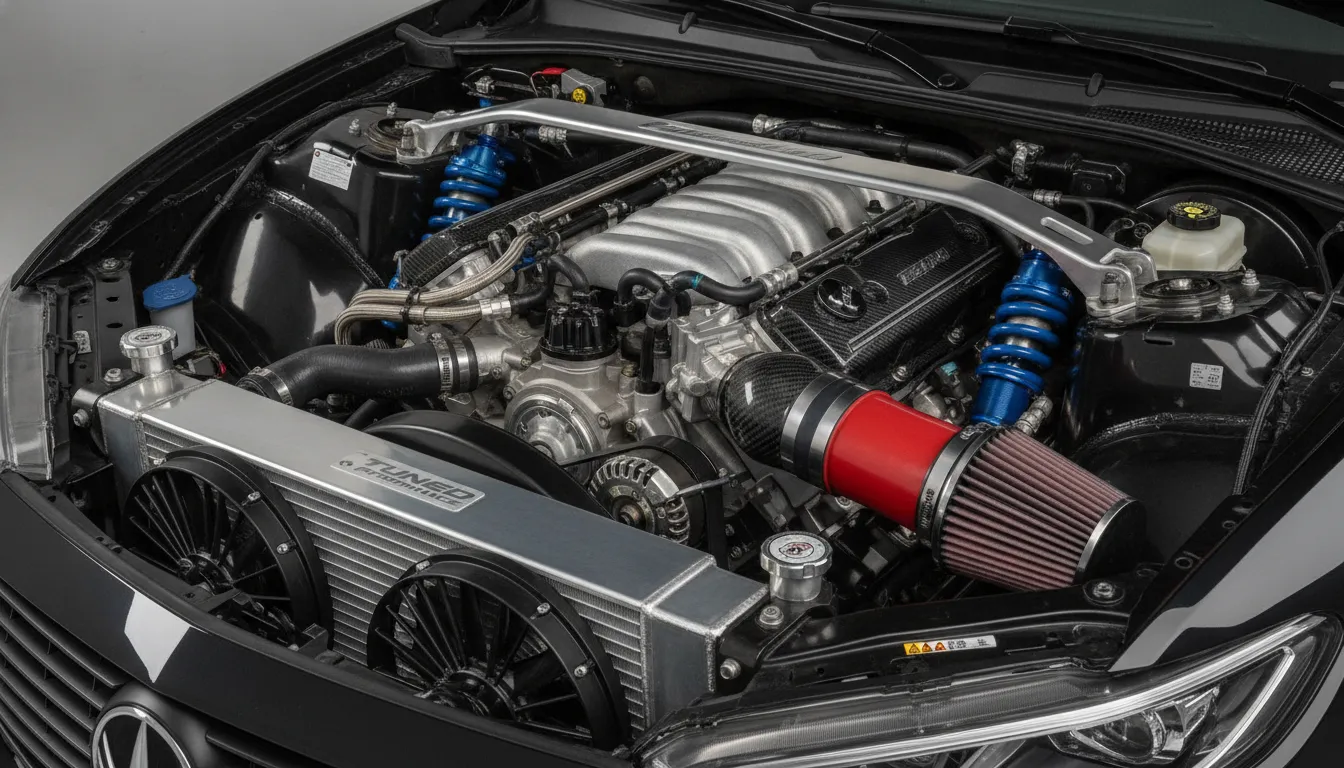
Your car’s market value drops when a shop installs generic parts instead of original equipment from the maker. These budget parts can sometimes fail to meet factory standards and may make your vehicle less appealing to some future buyers.
An aftermarket parts diminished value claim helps Georgia owners get paid for the lost market value caused by non-original parts. Shops often use generic parts instead of Original Equipment Manufacturer (OEM) parts to save money. This choice can cause a drop in resale value, depending on the vehicle’s make, model, and market demand. These budget items may not fit right or meet strict factory standards. Insurance companies prefer these cheap options to lower their own repair costs.
However, this leaves you with a car that dealers and buyers will discount. Under Georgia law, established by Mabry v. State Farm, you can recover this loss. This claim pays you for the true drop in value after an accident. It covers the loss even if the repairs look good on the surface.
Many drivers do not know that the choice of parts can change the final check they receive from the insurer. Knowing how these parts hurt your car’s price is the first step toward a fair settlement. This starts by learning How Aftermarket Parts Compound a Vehicle’s Post-Accident Depreciation.
How Aftermarket Parts Compound a Vehicle’s Post-Accident Depreciation
When you get your car back from the shop, it might look brand new. The paint shines and the doors shut tight. But in the eyes of the car market, that car has changed.
Even the best repairs cannot hide the fact that an accident happened. This drop in worth is known as inherent diminished value. It exists because buyers will always pay less for a car with a crash history than for one that is clean. If your insurer used cheap non-brand parts for the fix, your loss grows even larger.
The Meaning of Inherent Diminished Value
Inherent diminished value is the loss in a car’s worth that stays after a full repair. It is the gap between what the car was worth before the hit and its value now.
As shown by the Texas Department of Insurance, a diminished value claim helps owners get back this lost market value. The fact that the car was in a wreck makes it less likable to the next buyer. This is a “scar” on the title that never goes away, no matter how good the work looks.
In Georgia, this loss is real and fully recognized under established state law. Most insurance firms try to ignore this by giving a small check based on the flawed 17(c) formula.
This math rule does not look at the real market or what a local dealer will pay you. It is a tool used by insurers to keep their own costs low while leaving you with a car that is worth much less. Fighting this tactic is a key part of an aftermarket parts diminished value claim.
How Non-OEM Parts Hurt Your Resale Value
The type of parts used in your repair plays a huge role in your diminished value claim. Insurance adjusters often push for aftermarket parts because they cost much less than brand-name ones.
While they might fit, they signal to future buyers that the repair was done as cheaply as possible. This choice makes the “accident scar” on your car even deeper. A dealer will often spot these parts and lower their offer because they lack the precise fit and quality of original factory parts.
Repair Quality vs. Market Truth
There is a big gap between a high-grade repair and a car’s market value. A mechanic might do a great job with aftermarket parts, and the car might drive safe. But “fixed” is not the same as “whole.” Market truth is driven by what people will pay. Most buyers skip over cars with accident records if a clean one is for sale. To win them over, a seller must drop the price by a lot.
Real-world data shows how steep this drop can be for Georgia drivers. Many car dealers will cut the value of a repaired car by 15% to 50% compared to a car with no wreck history.
This is a massive hit to your wealth. At Gastley Law, we know that a repair done with cheap parts is still a bad deal for the owner. We work to find the true market gap and hold insurance firms to the law, making sure you get the full pay you deserve.
OEM vs. Aftermarket Parts: The Financial Difference in Repairs
When you fix a car after a wreck, the parts you pick change the bill and the car’s future value. Insurance firms often push for aftermarket parts. These parts come from third-party shops, not the maker of your car. Original Equipment Manufacturer (OEM) parts are the exact same parts used when your car was new. The gap in price between these two types is big, but the long-term cost to you might be even bigger.
Upfront Savings for Insurance Companies
Insurance firms save money by using non-OEM parts in their repair plans. These parts are often 30% to 60% cheaper than OEM parts. By using lower prices, the insurer keeps the total repair cost down. This tactic helps them avoid paying for a total loss. While it saves the firm money now, it often leaves you with a car that is worth less than it should be.
Long Term Market Value Loss
A car fixed with cheaper parts rarely sells for top dollar. Car dealers often drop the value of a car by 15% to 50% once it has an accident history. Using off-brand parts can make this drop worse.
If you plan to sell or trade your car in Georgia, buyers will look at the repair list. High-quality parts help protect your diminished value claim. You need to show that your car lost worth even after the best repairs. State records in Texas and other states show how much this loss matters to owners.
| Feature. | OEM Parts. | Aftermarket Parts. |
|---|---|---|
| Source. | Original Maker. | Third-Party Shop. |
| Cost. | Full Market Price. | 30% to 60% Less. |
| Fit and Finish. | Perfect Match. | Variable Quality. |
| Resale Impact. | Protects Value. | Higher Depreciation. |
| Warranty. | Maker Backed. | Varies by Shop. |
Georgia Rights and Standards
Georgia law gives you rights when dealing with car repairs and insurance. In the case of Mabry v. State Farm (2001), the court ruled that insurers must check for diminished value.
This applies even if they use the best parts. If they use cheap parts, your claim for lost value gets stronger. You should check your Georgia diminished value requirements to see what you are owed. Do not let an insurer use low-cost parts to hide the true damage to your car.
How Insurers Use Aftermarket Estimates to Evade Total Loss Status
Insurance firms often try to avoid saying a car is a total loss. They do this because a total loss pay-out usually costs more than a repair bill. Most states, like Georgia, use a set limit of 70% to 80% of market value to decide if a car is totaled. If the repair bill stays below this level, the firm will fix the car instead of paying you its full value.
Reducing repair costs with non-OEM parts
Insurers keep repair costs low by using aftermarket parts. These parts do not come from the original car maker. Research shows that non-OEM parts are often 30% to 60% cheaper than original ones. By using cheap parts in a repair plan, the firm can keep the total bill just under the total loss limit. This move helps them avoid a big pay-out for a totaled car.
The impact on your car’s value
This choice can leave you with a car that has hidden damage or poor-fitting parts. Even if the car looks fine, it is not the same car it was before the crash. Your car may be worth much less because it was fixed with low-quality parts. This is why many owners file an aftermarket parts diminished value claim. They want to get back the worth their car has lost.
The trap of the low repair estimate
A low estimate may seem like a good thing at first. It might suggest your car was not hurt badly. But a low bill often hides how bad the damage is. When a firm uses cheap parts to stay below the total loss line, they protect their own profits. In many cases, insurer repair guidelines prioritize lowering immediate expenses over protecting your car’s long-term value or sourcing factory-tested parts.
If your car should have been totaled but was fixed instead, you face a big loss in value. This gap is known as diminished value and represents the difference in what a car is worth before and after it is fixed. While this phenomenon is widely studied by state departments of insurance across the country.
Georgia drivers have a distinct advantage: they have the clear legal right under state common law to seek payment for this loss. Especially when lower-cost parts exacerbate the drop in value. In Georgia, you have the right to seek pay for this loss, mainly when cheap parts made the drop in value worse.
Challenging the insurer repair plan
You do not have to accept a repair plan that uses cheap parts to save the firm money. In Georgia, you have rights that protect you. If a firm forces you to keep a car that should have been totaled, you could lose thousands of dollars. This is true for new cars or luxury models. Dealers will offer less for a car that has a record of major repairs using non-original parts.
Fighting these low estimates is key to getting a fair deal. You should check the repair list to see if the shop plans to use “aftermarket” or “non-OEM” parts. Getting a pro to look at your car helps show the real cost of original parts and may push the bill over the total loss line. This step can also increase the amount of your claim for lost value.
Proving the Cost: Documentation for an Aftermarket Parts Diminished Value Claim
In Georgia, the law stands on your side when an accident ruins the market value of your car. The key case of Mabry v. State Farm helps make sure that insurers must check for and pay for lost value in first-party claims.
However, proving an aftermarket parts diminished value claim needs more than just a guess. You need a clear trail of paper. It must show how much your car’s worth has dropped because of the wreck and the cheap parts used to fix it.
Repair records and part lists
The first step is to look at your repair bill. Many insurance firms try to save money by using non-original parts. These parts are often 30% to 60% cheaper than parts from the car maker.
While they may fix the car, they often fit poorly or use lower-grade parts. To build a strong case, you must know exactly which parts are not original. To build a strong case, you must know exactly which parts are not original and learn how to prove diminished value by tracking these details from the start. You can also read our guide on how to file a diminished value claim for step-by-step instructions.
The need for a professional appraisal
A diminished value claim in Georgia seeks to recover the gap between what your car was worth before the crash and what it is worth now. Even if a car looks new, its history of damage and non-standard parts will often drive away buyers.
Car dealers frequently drop a vehicle’s trade-in value by 15% to 50% after a major repair. A professional third-party appraisal, rather than a generic insurance formula, gives you the hard numbers you need to fight low offers.
Key steps to prove your claim
Documenting your loss is a vital part of the process. If you do not have the right proof, the insurance company will likely use a flawed formula to offer you as little as possible. Use the following steps to build your case in Georgia.
- Ask for a full list of all parts used in the repair. Make sure the shop marks which parts are OEM and which are aftermarket.
- Keep a copy of the final repair invoice. This shows the total cost and the quality of the work done on your car.
- Get a written appraisal from an expert who knows the Georgia car market. A simple online search is not enough.
- Take photos of the repairs. Clear images can show if the new parts do not line up well with the rest of the car.
- Save all emails and letters from the insurance adjuster. These records show if the insurer tried to avoid paying for the true loss in value.
By following these steps, you take control of your case. Gastley Law helps Georgia drivers by fronting all the costs for these appraisals. We know how to use this proof to win the full amount you are owed. Do not let the insurance company tell you what your car is worth. Use real data to prove your claim and get the payout you deserve.
Why Georgia Drivers Need Professional Support to Fight Insurer Tactics
Most insurance firms in Georgia use a math tool called the 17(c) formula. This tool was born from an old court case, but it has many gaps. It puts a hard cap on your claim at ten percent of the car’s book value. It also assumes that every car loses value at the same rate, which is not true.
A new car with low miles loses far more value than an old one. The Georgia Administrative Code says that insurers must be fair and clear when they pay for car damage. But this formula often helps the firm more than the driver. You must know the Georgia diminished value requirements before you sign any forms.
The trap of the 17(c) formula
Insurers like to use the 17(c) math because it keeps their payouts low. They may tell you that this is the only way to find what you are owed. That is not true. This formula does not look at the real market for cars.
It does not account for how buyers feel about a car with a crash history. If your car has cheap repair parts, the loss is even higher. An aftermarket parts diminished value claim needs a more careful look. You need a team that knows how to show the real loss to the firm and to a judge.
Why insurers prefer aftermarket estimates
Insurance firms often try to save money by using non-OEM parts in their repair quotes. These parts can lower what the car is worth even more. The parts may not fit as well as parts from the maker of the car. They can also rust faster or fail sooner.
When you try to sell or trade in your car later, the buyer will see these parts. They will offer you less because the car is no longer in its factory state. The insurer may not factor this into their first offer. You will likely need to negotiate a diminished value claim to get a fair payout.
How Gastley Law levels the field
At Gastley Law, we do not let the insurance firm set the price. We use top experts to look at your car and the local market. This helps us find the real gap in value. We also make it easy for you to start. Our team fronts all the costs for appraisals and court fees.
You have zero out-of-pocket risk when you work with us. We only get a fee if we win money for you. This lets you fight back without any stress about legal bills. Our goal is to take what the firm offered you and make it much higher. We have the skill and the drive to win your case.
Frequently Asked Questions
Can aftermarket parts affect a diminished value claim?
Yes. Using non-OEM parts can lower the resale value of your car. These parts are often made from cheaper parts and may not fit as well as factory ones. According to Total Loss Appraisals, aftermarket parts are often 30% to 60% cheaper than OEM parts. This cost gap makes your car less appealing to future buyers. This loss is a key part of an aftermarket parts diminished value claim.
Is the insurance company required to pay for diminished value in Georgia?
Yes. Georgia law requires insurance firms to assess and pay for the loss in value on first-party claims. This rule comes from the case of Mabry v. State Farm. Even if the car looks perfect, the use of cheaper parts can still lead to a loss in market worth. You have a right to seek payment for this difference. A law firm can help you file a diminished value claim to challenge low offers.
How long do you have to file a diminished value claim in Georgia?
In Georgia, you generally have four years from the date of the accident to file a claim for property damage. This includes seeking money for a diminished value claim. It is best to start the process as soon as possible after repairs are done. A legal expert can help you gather the documents needed to prove your loss. Gastley Law can review your case to ensure you meet all state deadlines.
Can you file a claim if you already cashed the insurance check?
Yes. Many Georgia drivers think that cashing a repair check ends their case. However, you can often still file a claim for the loss in value even after the car is fixed. The insurance company may not tell you that you are owed more money for the drop in market price. You should talk to a professional before you sign any final release forms. Gastley Law helps vehicle owners get the full amount they deserve.
Are you ready to recover the full value of your vehicle today?
If you wait too long to file your claim, you may lose the right to recover the fair compensation you need for your vehicle. The strict time limit in Georgia means starting your case right now is the best way to get your money back on a fast track. You can stop the stress of low offers and let a team of pros work to get your car value back in your pocket.
Are you ready to recover the full value for your vehicle? Call (770) 557-2838 to talk to a property damage expert and schedule a free case evaluation today to get the compensation you deserve.