
Diminished Value on a Financed Car Georgia: Know Your Rights
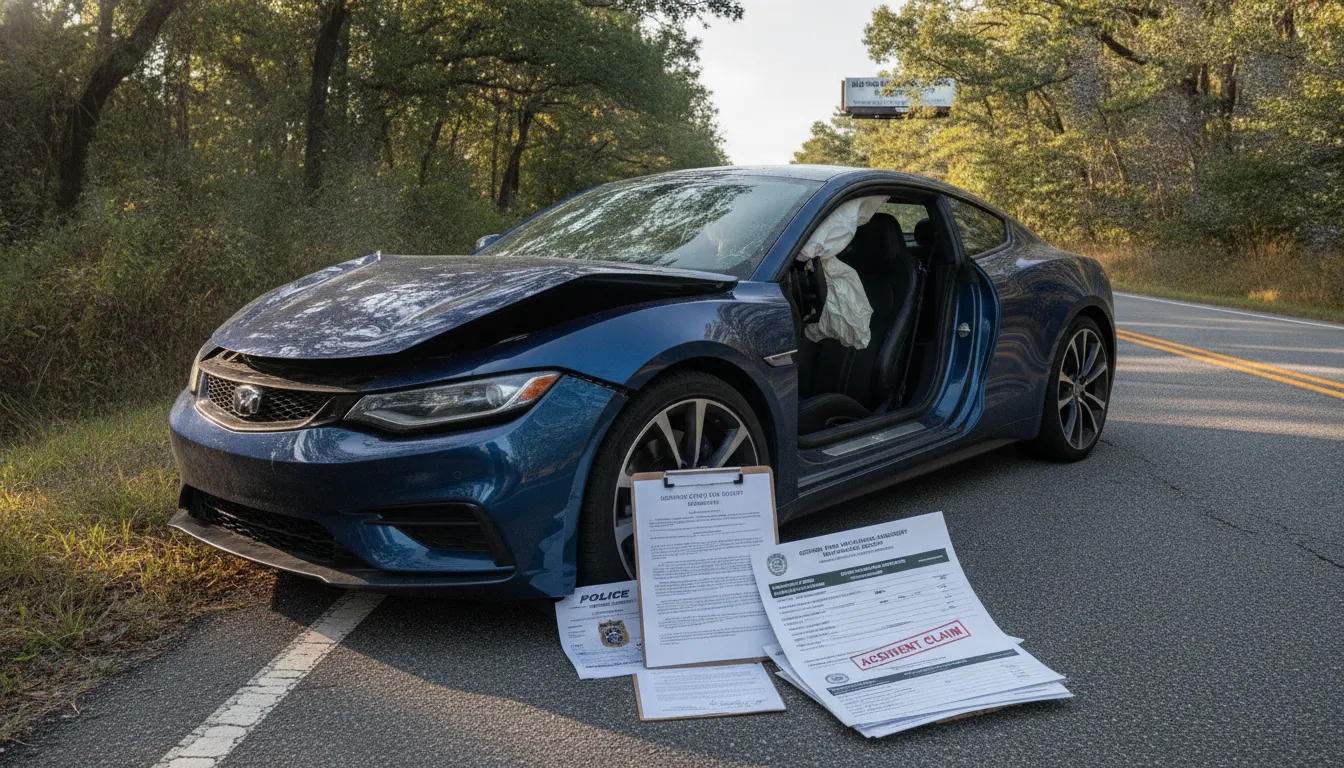
Being underwater on a car loan is a common fear after a serious Georgia accident. Fortunately, you can still file for diminished value to help cover the gap between your loan and the car’s new, lower worth. Contact Gastley Law today for a free consultation to evaluate your claim and protect your vehicle’s value.
Diminished value on a financed car georgia law lets vehicle owners seek a payout for lost resale value no matter their loan status. Georgia law treats this loss as property damage that stays even after good repairs are done. A bank lien does not stop you from getting a fair deal if you are the registered owner.
Understanding your rights as a borrower is the first step toward protecting your car. You might worry that the bank’s interest in your vehicle makes your legal options hard. The path to fair pay begins with What Is Diminished Value, and Does Financing Change Anything? as we explain how the law works:
Diminished Value On A Financed Car Georgia: What Is Diminished Value, and Does Financing Change Anything?
Yes, you can claim diminished value in Georgia even with an active car loan. Financing does not remove your right to recover lost resale value after a crash. As the registered owner, you lead the claim. The lender’s lien protects their interest but does not block your property damage rights under Georgia law.
Diminished value is the loss in your car’s market value after a wreck. Even if a shop does a great job, the car is worth less than before the crash. Buyers do not want to pay full price for a car with a past record. In Georgia, you can get cash for this loss even if you still owe money on your auto loan.
Defining diminished value in Georgia
In Georgia, the law views this loss as a form of property damage. Insurance firms must pay for the drop in value between what the car was worth before and after the crash. This rule comes from a famous Georgia Supreme Court case called State Farm v. Mabry.
Because of this ruling, Georgia law requires insurance firms to pay for diminished value in first-party and third-party claims. You are not just getting paid for the cost of parts and labor. You are getting paid for the value the car lost for good.
Why financing does not stop your claim
Many people worry that they cannot file a claim if they have a car loan. They think the bank owns the car, so the bank should get the money. This is not how it works in Georgia.
As long as you are the registered owner, you can file a diminished value claim in Georgia. Having a lien on your title does not take away your right to seek payment for property damage. The insurance firm may put the lender’s name on the check, but the right to start the claim belongs to you.
Filing this claim is vital for owners with a loan. A major wreck can make your car worth much less than what you owe. This is known as being “underwater” on your loan.
If you try to sell or trade in the car later, you will have to pay the gap out of your own pocket. A successful claim helps you get the money you need to cover that loss now. It protects your wallet from a hit that stays with the car until you sell it.
The three types of diminished value loss
Not all value loss is the same. Georgia courts and experts look at three main types when they check a claim. Most people focus on inherent loss, which is the drop in value based on the car’s record.
Buyers check reports like Carfax and see an accident. This “stigma” makes the car look less good to a buyer, no matter how clean it is now. Even if the shop uses new parts and matches the paint, the car’s past stays with it forever.
The other two types are repair-related and immediate loss. Repair-related loss happens when a shop does poor work. This could mean using cheap parts or leaving small dents.
Immediate loss is the total drop in value right after the crash but before any work starts. While insurance firms often use a formula to guess these numbers, the law says they must be fair. You should always have an expert look at your case to make sure you get every cent you deserve.

How a Diminished Value Payout Helps With Your Auto Loan
An insurance payout for diminished value directly protects you from going underwater on your auto loan. When your car loses market value after a crash but your loan balance stays the same, the cash settlement closes that gap. Georgia law gives you up to six years to file for this property damage recovery.
When you have a loan on your car, a big crash can create a gap between what you owe and what the car is worth. If the car is worth less than the loan, you are underwater. A payout for a Georgia diminished value requirements claim helps you close that gap. This money can keep you from owing more on your loan than the car could sell for on the open market.
Closing the gap on your loan
In Georgia, insurers must pay you for the loss in value after a crash. This rule comes from a case that reached the state high court in 2001. A diminished value claim covers the drop in price that stays even after the car is fixed. For people with a loan, this cash is key. It keeps your loan debt in line with the car’s worth so you do not lose money when you later try to trade in or sell the car.
The 17c formula and your claim
Most firms use a tool called the 17c formula to find your payout. This path takes the car’s value and multiplies it by a damage rate. For a car worth $20,000 with moderate frame or body damage, the payout might be about $3,000. But this path is often wrong. It caps the payout at 10% and uses a low multiplier. You should check if the math truly shows your car’s loss.
Six years to file in Georgia
You have more time than you may think to fix your loan state. Georgia law gives you six years from the date of the crash to file for property damage. If you had a wreck three years ago and still have the car, you can likely still seek a payout. This money can go toward your loan debt. Cutting your debt helps you get back to a state where the car is worth more than the loan.
Who Gets the Diminished Value Check: You or the Lender?
The check goes to you as the registered owner, though it may be issued jointly with your lender. Insurers sometimes add the lender’s name to protect their lien interest. You still lead the claim and negotiate the settlement. Georgia law gives you, not the bank, the right to seek property damage recovery.
When you file a diminished value claim in Georgia for a financed car, the check is usually made out to the registered owner. Even though a bank or credit union holds a lien on the title, you stay the primary claimant. Georgia law treats this loss as property damage. This right belongs to the person who owns and drives the car. Your right to seek payment does not change just because you still owe money on your auto loan.
The role of the lender
While you lead the claim, the insurance company may issue a joint check. This means the check lists both your name and the lender’s name. Insurers do this to protect the bank’s stake in the car’s value. If you get a joint check, you must work with your lender to cash or deposit it. In most cases, the money pays you for the loss in resale value. However, the lender wants to make sure the car stays worth more than the loan debt.
A loan does not stop you from getting what you are owed. According to the Georgia Supreme Court, insurers must pay for the drop in market value after a crash. This rule holds true even if you still make monthly payments. You are the one who will face a lower trade-in value later. Because of this, you should be the one who leads the claim process now.
Protecting your car equity
A diminished value payout helps keep you from being underwater on your loan. When a car has an accident record, it is worth less than a car with a clean past. If you owe more than the car is worth, a big crash can leave you in a tough spot. Getting a check for that lost value helps close the gap. This keeps your money safe if you decide to sell the car or trade it in for a new one later.
You should always check who will be on the settlement check before you sign any papers. If you need help with an insurance firm that is slow to pay, you can contact us for a free consultation. We help car owners through these steps to make sure they get fair treatment. You do not have to pay any money upfront to have an expert look at your case and help you deal with the bank and the insurer.
How to File a Diminished Value Claim for a Financed Car in Georgia
File your claim by first completing all vehicle repairs, then getting a private appraisal, and sending a demand letter to the insurer. The process takes roughly 30 to 45 days from start to settlement. Georgia law requires insurers to respond within 15 days and pay within 10 days of approval.
You might want to start your claim as soon as the crash happens. But in Georgia, you must fix your car before you file for lost value. You should use a body shop that the insurance firm approves. This makes it easier to show the work was done well. Once the repairs are finished, you can see how much value the car lost. This is what people mean when they talk about diminished value on a financed car georgia.
Fixing Your Car First
Getting the car fixed is just the start. Since your car has a loan, you want to make sure the payout is fair. A fair check helps you avoid being stuck with a loan that is more than the car is worth. If you sell the car later, the accident will show up on a report. This report often makes buyers want to pay less for your car. You need an expert to help you show how much money you are losing.
Key Steps in the Claim Process
The process of filing a diminished value claim has a few main steps. You must be careful with each part to get the best result. The steps are meant to show the insurance company that your loss is real and based on law.
- Fix your car at a good body shop. You must finish all repairs to get a clear look at the lost market value.
- Get a private appraisal. A pro can tell you the true value of the car before and after the crash. This gives you a clear number to show the insurance company.
- Write a demand letter. You should cite OCGA Section 51-1-6 to show you have the legal right to recover your loss. This law protects people who suffer property damage.
- Talk to the insurance company. They might try to offer you a low amount at first. You can say no if the offer is not fair and fight for more. Learn what to do if your claim gets denied.
- Sign the final papers. Once you and the insurer agree on a price, you will sign a release and wait for the check to arrive.
- Hire a lawyer if you need help. If the insurance firm will not pay what they owe, a legal team can help you win the fight.
When to Expect Your Payout
Insurance companies have rules they must follow in Georgia. When you file your claim, the law says they must act fast. They have 15 days to tell you they got your notice. They also have 15 days to say if they will pay the claim once they have your proof of loss. If they agree to the payout, they should send the money within 10 days.
But even with these rules, some firms will try to slow things down. It often takes about 30 to 45 days to settle these claims. Some insurers might delay the work to make you feel like you have to take a small check. Do not let them rush you into a bad deal. You have six years to file for property damage in Georgia. This means you have plenty of time to find a lawyer like Gastley Law to help you. Use our claim checklist to make sure you do not miss any steps.
Common Questions About Diminished Value and Financed Cars
Your loan status affects how the check is issued but not your right to file. Leased vehicles are different: the leasing company owns the car and typically controls the claim. You can file for old accidents, but prior damage reduces the payout. Never cash a first offer without expert review.
Many people worry that a loan or lease will stop them from getting paid for lost value. Georgia law is clear on these issues. Here are answers to common questions about a diminished value claim in Georgia when your car is not fully paid off.
Leased Versus Financed Cars
If you finance your car, you are the legal owner. This means you have the right to file a claim for lost value. But if you lease your car, you are likely not the legal owner. In most cases, only the registered owner can file a claim for lost value. Learn more about diminished value claims for leased cars in Georgia.
The leasing company usually holds the right to get the money. You should read your lease papers to see if you have any rights. Some people can talk to the lessor to see if they can share the payout. For most leased cars, the loss in value affects the bank that owns the title.
Old Accidents and Your Claim
You can still file a claim if your car was in a wreck before. But the amount you get will likely be lower. The insurance company will look at the old damage when they value your vehicle. They want to know how much market value the new accident took away.
A car with a clean history is worth more than one with two wrecks. Your payout will show this history. Even so, you can still get money for the new damage that just happened. It is worth looking into your case even if the car was hit before.
Cashing the Insurance Check
You might get a small check in the mail soon after the wreck. Do not cash this check right away. Cashing it may end your right to ask for more money later. Insurance companies often send low offers to see if you will take them.
You should have an expert look at your case first. Under Georgia insurance rules, you have the right to a fair look at your claim. Sending a response letter and a full appraisal is often the best next step for most people who want a fair deal.
Fixing the Car Before a Claim
Yes, you must fix the car before you can finish your claim. You cannot know the final loss in value until the work is done. An expert needs to see the final quality of the repairs. This helps them find out how much value the car lost due to the accident’s stigma.
Most shops must be on an approved list to make sure the work meets high standards. Repairs also show that the car is safe to drive again. Waiting for repairs to end is the best way to get a full and fair payout for your loss.
Financed vs. Leased Cars: Key Differences for Diminished Value Claims
Financed car owners can file their own diminished value claim; leased car drivers generally cannot. The table below breaks down who controls the process, who gets the check, and what each type of agreement means for your payout.
| Factor | Financed Car | Leased Car |
|---|---|---|
| Ownership status | You are the registered owner. | The leasing company holds title. |
| Right to claim DV | Yes, you can file as the owner. | Typically only the lessor can claim. |
| Check recipient | You (possibly joint with lender). | Leasing company (lease terms vary). |
| Payout protects | Your equity and loan balance. | Lessor’s asset value. |
| Negotiation flexibility | Full control over settlement. | Limited unless lease allows it. |
Frequently Asked Questions
How long does an insurance company have to respond to a claim in Georgia?
Under Georgia insurance rules, a firm must confirm your claim within 15 days of hearing about it. They also have 15 days to say yes or no to the claim once you send in your proof of loss. If they say they will pay, they must send the money within ten days. These rules help make sure that the process moves at a fair speed for every car owner.
Do I need to hire a lawyer to help with a diminished value claim?
You do not have to hire a lawyer to file a claim for lost value. But a legal team can help if you also have a bodily injury claim or if the firm will not pay a fair amount. An expert can help you find a skilled appraiser and handle filing a diminished value claim with the insurance company. This help often leads to a better result for people who are busy or stressed by the wreck.
Can I still file a diminished value claim if I already sold my vehicle?
In many cases, you can still file a claim even if you have already sold the car. Per the State Farm v. Mabry case in Georgia, you have the right to get paid for a loss in market value. You will need to show the sale price and how it was affected by the accident history. It is best to talk with an expert to see if your case is strong enough to move forward.
What happens if an insurance company needs more time to investigate my claim?
If a firm needs more time to look into a claim, they must tell you why. They must also give you a date for when they think they will be done. Under Georgia law, they cannot just leave you waiting without a clear reason. This rule keeps the insurance company from stalling the process. Knowing these rules helps you push for a fast answer so you can move on with your life.
Ready to evaluate your diminished value claim?
Waiting too long to start your claim can lead to missed deadlines and lost proof. If you do not act fast, the insurance company may try to pay you less than what you should get for your car. Starting now helps you protect your right to get the full value for your car before time runs out. Every day you wait gives the insurance company more time to build their case. You can avoid the stress of dealing with low offers by getting expert help today.
Ready to get the money you are owed for your car? Call 770-557-2838 to schedule a free consultation to evaluate your diminished value claim. We work on a contingency basis, so there are no upfront costs for you. Our team is here to help you understand your rights and walk you through every step of the legal process in Georgia. Do not let your hard-earned money stay in the hands of the insurance company when you could have it back instead.