
Diminished Value Claim Checklist Georgia Drivers Need

Diminished Value Claim Checklist Georgia Drivers Need
A repaired car can still lose market value, but missing records make that loss harder to prove. The right paperwork helps Gastley Law see the full claim, not just the insurer’s estimate.
Contact Gastley Law to request a diminished value claim review before an insurer’s offer or release limits your options.
The diminished value claim checklist Georgia drivers need starts with records that connect the accident, repairs, and remaining loss in market value. Gather the crash report, claim number, insurer correspondence, photos, repair estimates, final repair invoices, proof of ownership, VIN, mileage, and any appraisal or value evidence. Repairs typically need to be complete before diminished value can be assessed accurately. Keep every document together and note any payment or offer already made. This evidence helps Gastley Law evaluate whether the vehicle may have a diminished value or property damage claim and what information may still be missing. It also matters because Georgia insurers must consider all relevant information when evaluating diminished value claims, rather than relying only on one formula.
The main question is simple: which records help show what happened, what was repaired, and what value may remain lost? The next section, Diminished value claim checklist Georgia drivers can use, puts those records and steps in a practical order. Here’s how.
Diminished value claim checklist Georgia drivers can use
A useful diminished value claim checklist for Georgia starts with records, not a demand amount. Save documents as the claim develops, and keep original files when possible. Together, they show what happened, how the vehicle was repaired, and what the insurer said. For a broader overview of the firm’s process, review Gastley Law’s diminished value service page.
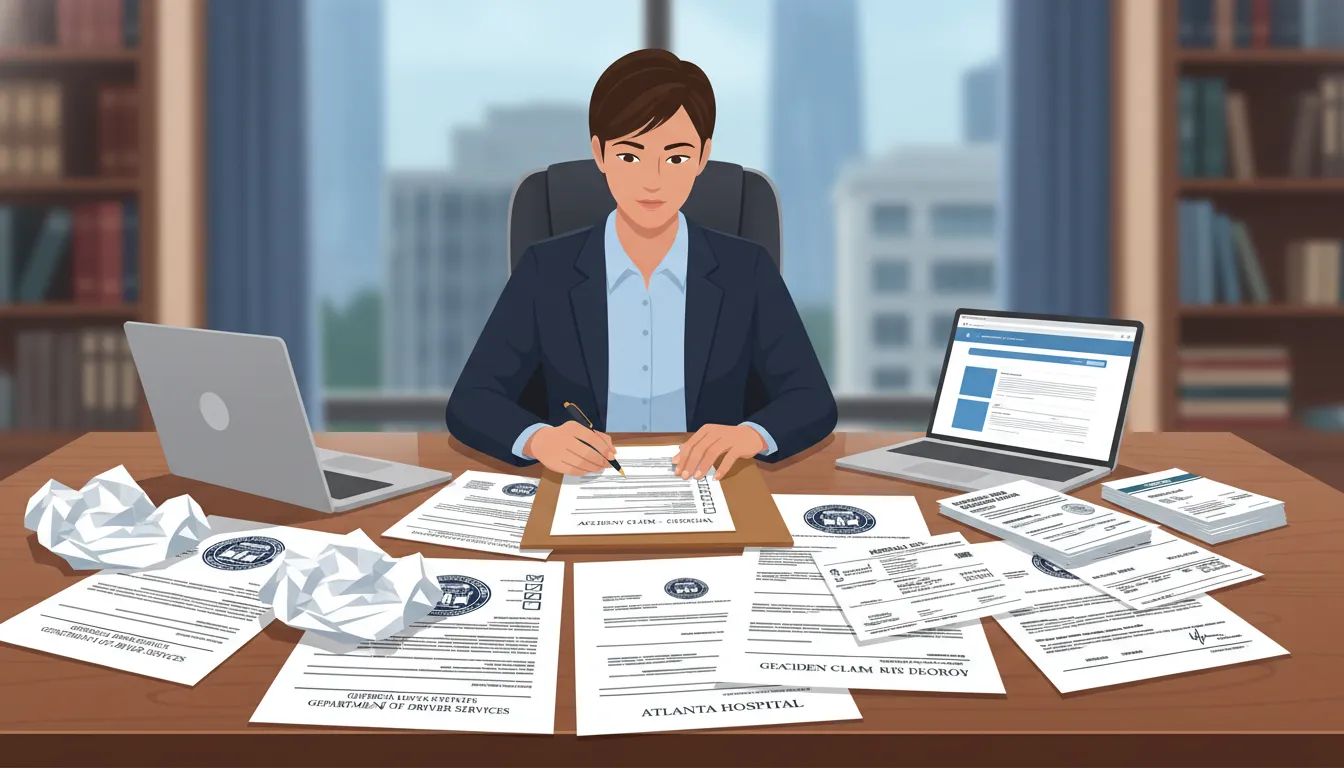
Documents to gather
Start with the accident report, damage photos, and the repair estimate. After repairs, add the final itemized invoice and photos of the repaired vehicle. These records help an appraiser compare the vehicle’s condition before and after the work.
| Document | Why it matters | When to gather it |
|---|---|---|
| Accident report and claim details. | Shows the crash facts and claim number. | Right after the crash. |
| Damage and repair photos. | Creates a clear visual record. | Before, during, and after repairs. |
| Estimate and final repair invoice. | Shows the work planned and completed. | At estimate and vehicle pickup. |
| Diminished value appraisal. | Supports the claimed loss in market value. | After repairs are complete. |
| Insurer emails, letters, and offers. | Tracks the insurer’s position and response. | Throughout the claim. |
Keep each version of an estimate or invoice. Supplements can show added damage found during repairs, while the final invoice shows the completed work. Do not rely only on a short repair summary.
A clear claim file
Create one folder for the crash, repairs, appraisal, and insurer messages. Name files by date so the timeline is easy to follow. Also record phone calls with the date, the person’s name, and the main points discussed.
- Keep the vehicle identification number, mileage, trim, and options with the appraisal records.
- Save every written offer, denial, and explanation from the insurer.
- Keep proof of when each document was sent and received.
Use the same set of records when you file a diminished value claim. A complete file makes it easier to spot missing facts before sending a demand. It also gives the insurer a clear basis for reviewing the loss.
Appraisal and insurer review
An appraisal should address the repaired vehicle and its loss in market value. Give the appraiser the final invoice, photos, mileage, accident details, and vehicle history. These materials help connect the appraisal to the specific vehicle and crash.
Do not treat one insurer formula as the whole evaluation. A Georgia Insurance Commissioner directive says carriers must consider all relevant information when evaluating diminished value claims. That makes organized repair records, appraisal support, and insurer communications central parts of the claim file.
What should you do before repairs are finished?
Start building your diminished value claim file before the repair shop returns your car. Early records show the vehicle’s condition, damage, and repair path. They also help prevent missing details after damaged parts are removed or replaced.
Your pre-repair record
Photograph the full vehicle before work begins, not just the damaged area. Capture each side, the interior, wheels, odometer, vehicle identification number, and close views of the impact. Save original files so their dates and image quality remain intact.
Also record the year, make, model, mileage, trim, options, and general pre-crash condition. Note prior damage or accidents instead of leaving gaps. Prior accident history may affect value. Clear records help explain what damage came from this crash.
-
Save wide and close crash photos, including road conditions, vehicle positions, and every damaged panel.
-
Get the police report number. Keep the officer’s name, incident details, and other driver’s insurance information.
-
Save the first repair estimate. Request copies of every supplement that adds parts, labor, or hidden damage.
-
Record mileage, trim, options, condition, service history, and any prior damage before repairs change the vehicle’s appearance.
-
Keep towing, storage, rental car, and transportation receipts together with related emails and payment records.
-
Ask the shop to note structural work, replaced parts, paint work, and repair delays on the final invoice.
-
Save every insurer offer and calculation. Do not treat the first number as the full claim value.
Repair records that tell the full story
The first estimate often changes once technicians remove damaged parts. Supplements can show hidden damage and added repair work that the first inspection missed. Compare each supplement with the final invoice. Ask the shop to explain any unclear line items.
Keep records in one folder, with clear names and dates. Include claim emails, adjuster letters, payment notices, and photos taken during repairs. This organized file will make it easier to file a diminished value claim after repairs are complete.
Why the insurer’s first number is not enough
An initial insurer figure may not reflect all facts about the car or repair. A Georgia insurance directive says carriers must consider all relevant information in diminished value evaluations. Your records give the insurer specific facts to review instead of a thin summary.
Wait for the completed repair invoice before assessing the vehicle’s post-repair loss in market value. Meanwhile, review the Georgia diminished value requirements to learn which ownership and claim details may matter. Keep any offer, but ask for the method and inputs behind it.
Documents that help prove before-and-after value
Proof of diminished value starts with a clear picture of the vehicle before the crash and after repairs. A useful file connects the car’s identity, prior condition, accident damage, repair work, and current market position. This record gives the insurer specific evidence to review instead of a bare payment request.
Vehicle identity and pre-loss condition
Start with the VIN, exact mileage, trim level, factory options, and major added features. Add service records that show routine care, recent work, and the car’s condition before the loss. These details help distinguish your vehicle from a base model or a poorly maintained example.
- VIN, registration, and current odometer reading.
- Window sticker, build sheet, or option list.
- Service records, inspection reports, and recent receipts.
- Photos taken before the crash, if available.
- Comparable listings for similar vehicles without accident histories.
Choose comparable listings with similar mileage, trim, options, age, and local market conditions. Save each full listing with its price, location, date, and vehicle details. Asking prices do not prove a final sale price, but well-matched listings can help frame the pre-loss market.
Damage, repairs, and accident history
Take clear photos of every damaged area before repairs begin. Include wide views, close details, deployed airbags, broken parts, and any visible structural damage. If the repair shop notes frame or unibody work, keep those notes with the final invoice.
The final repair invoice should list parts, labor, paint work, scans, calibrations, and supplements. Keep estimates and supplement records too, since they show how the repair scope changed. A completed repair record also helps an appraiser assess the vehicle’s condition after the work.
An accident history may follow the car even after sound repairs. Save a CARFAX report or another history report that shows the new accident entry. Also keep older reports, since prior damage can affect how an appraiser separates this loss from earlier events.
The role of an independent appraisal
Georgia’s Insurance Commissioner has said carriers must consider all relevant information when they evaluate diminished value claims. The Commissioner’s diminished value directive also says the Department has not endorsed one specific formula. A complete evidence file gives the carrier more than a single formula result to review.
An independent diminished value appraisal can organize the records and explain the gap between pre-loss and post-repair value. It may address market comparisons, repair severity, structural work, mileage, options, and accident history. The appraisal should explain its method and tie its opinion to the specific vehicle.
Keep the appraisal with the rest of your diminished value claim checklist for Georgia. Then use the same evidence set when you file a diminished value claim or respond to an insurer’s offer. Consistent records make it easier to see what supports the requested amount.
Ready to compare your records with the next step? Contact Gastley Law and ask for a claim review before accepting a diminished value offer.
Insurance communications to save for your claim
Your claim file should show what the insurer said, what you sent, and when each exchange happened. Save each item as soon as you receive it. A clear paper trail can help you check an offer and respond without relying on memory.
Core claim records
Start a folder for the claim number and the adjuster’s name, phone number, email address, and company. Keep any recorded statement request, plus notes about when it occurred and what questions the adjuster asked. If possible, ask how you can get a copy or transcript.
- Save emails, text messages, letters, portal messages, and call notes.
- Keep repair approvals, payment records, estimate updates, and supplement decisions.
- Store written offers, denial letters, and the insurer’s reason for each decision.
- Record all response dates, document requests, and stated deadlines.
After a phone call, write a short note with the date, time, people involved, and key points. You can also send a brief follow-up email that confirms your understanding. That message creates a dated record and gives the adjuster a chance to correct any mistake.
Offers, valuation details, and total loss discussions
Keep every offer, even if the insurer later changes it. Save the valuation report, calculation sheet, comparable vehicles, and any explanation used to support the amount. These records help show how the insurer reached its position and which facts may be missing.
Separate repair, total loss, and diminished value discussions in your folder. The issues can overlap, but each may involve different documents and decisions. If you plan to file a diminished value claim, preserve the insurer’s earlier statements about damage, repairs, and vehicle value.
Ask for important decisions in writing. The available fact ledger notes that carriers should consider all relevant information when they evaluate diminished value claims. The cited Georgia insurance directive also says relevant information from an insured should be considered.
Releases and deadlines
Save every release, settlement letter, and check-related notice before taking action. A property damage release may affect which claims can still be raised after it is signed. Read the full document, note the claims it covers, and make sure you understand its effect.
Do not rely only on a verbal summary of a release. Keep the unsigned copy and any messages explaining its terms. If a deadline appears in a letter, email, portal, or text, place it on your calendar and save the source message.
This paper trail supports a practical Georgia diminished value requirements checklist. It also makes it easier to compare later statements with earlier ones. Preserve the original files, and use clear file names that include dates and subjects.
How Georgia law affects diminished value claims
Market value after repairs
A diminished value claim focuses on the loss in a vehicle’s market value after an accident and repairs. The issue is not just whether the repair shop restored the vehicle’s parts and finish. Buyers may still pay less because the vehicle now has an accident history.
Georgia recognizes diminished value as a type of property damage claim. Still, each claim depends on its own facts, including the vehicle, damage, repairs, and prior history. Drivers can review the firm’s guide to Georgia diminished value requirements for more detail on common eligibility issues.
Evidence matters more than one formula
Georgia’s insurance regulator has not approved or endorsed one set formula for measuring diminished value. Its directive says insurers must consider all relevant information when they review these claims. The Georgia Insurance Commissioner directive also rejects reliance on one fixed method as the only answer.
That makes clear records important. A strong file should show the car’s condition before the crash, the damage, completed repairs, and its value after repair. Photos, repair estimates, final invoices, vehicle history reports, and appraisal records can help connect the loss to the accident.
- Save clear photos from before repairs and after repairs.
- Keep every estimate, invoice, supplement, and payment record.
- Record all insurer offers, emails, letters, and claim numbers.
- Gather service records and details about any prior damage.
Deadlines and early preparation
Property damage claims are subject to filing deadlines, but the correct deadline can depend on the claim and its facts. Waiting can also make evidence harder to find. Photos may be lost, records may be harder to obtain, and witnesses may forget useful details.
For help choosing the right next step, visit the firm’s property damage and diminished value services page.
Preserve the file as soon as possible, even if repairs are still underway. Keep the original records and make backup copies. Avoid changing or discarding documents after an insurer asks for support. This approach helps create a clear timeline without relying on memory alone.
Once repairs are complete, compare the finished vehicle with its documented pre-accident condition and market history. Then organize the support before sending a demand or responding to an offer. The firm’s guide on how to file a diminished value claim explains the broader filing process.
A Georgia diminished value claim checklist should help preserve proof, not predict a result. Claim value and legal deadlines can turn on details that a general checklist cannot assess. Drivers with questions about their own facts should seek guidance before a deadline or settlement decision.
What mistakes weaken a diminished value claim?
A strong diminished value claim tells one clear story: the crash occurred, repairs were completed, and the vehicle lost market value. Common mistakes leave gaps in that story or make useful proof hard for an adjuster to review. A practical diminished value claim checklist for Georgia should focus on timing, records, and organization.
Waiting and missing early proof
Waiting too long can make a claim harder to support. Photos may disappear, repair records may get misplaced, and key details can become harder to recall. Save crash-scene photos, close views of the damage, and wide views showing the whole vehicle as soon as possible.
Do not throw away the final repair invoice, original estimate, or repair supplements. Supplements show added damage or work found after repairs began. They help explain the full repair history, which matters because an accurate diminished value assessment generally comes after repairs are complete.
- Keep photos from before, during, and after repairs.
- Save estimates, supplements, invoices, and proof of payment.
- Keep emails and letters from the insurer in date order.
Accepting an offer without enough support
An insurer’s first offer may not reflect all facts about the vehicle and its repair history. Georgia’s insurance commissioner has stated that carriers must consider all relevant information when evaluating diminished value claims. Review the basis for an offer before treating it as a fair measure of loss.
Another mistake is relying on a requested amount without proof. An appraisal may help connect the accident history and completed repairs to the vehicle’s lower market value. Drivers who need more detail can review the Georgia diminished value requirements before sending a demand.
Keep property damage records separate from medical bills or injury claim papers. Mixing them creates clutter and makes the value-loss proof harder to find. Use clear file names, and place a short document list at the front of the claim packet.
Sending a disorganized claim packet
A large stack of records is not the same as a clear claim. Arrange materials in a simple order, then check that every item is readable. The adjuster should be able to trace the accident, repairs, appraisal, and requested payment without guessing.
- Start with a brief claim summary and requested amount.
- Follow with the appraisal and vehicle details.
- Add crash photos, repair photos, estimates, supplements, and final invoices.
- End with insurer messages and other supporting records.
Before submitting anything, compare the packet with the steps used to file a diminished value claim. Check names, dates, vehicle details, and attachments. Missing or mislabeled files can slow review and weaken an otherwise supported request.
How to organize your file for an attorney review
A simple folder system
A clean file helps an attorney understand the accident, repairs, vehicle value, and insurance response faster. It also keeps key records from getting lost in long email chains. Use clear folder names instead of sending one large batch of mixed files.
Treat the folders below as the final stage of your diminished value claim checklist for Georgia. Give each file a short name that states its date and contents. For example, use “2026-05-12 repair invoice” instead of “scan004.”
- Accident facts: Add the crash report, driver details, claim number, and a short note about what happened.
- Photos: Separate accident-scene photos, damage photos, repair-progress photos, and current photos of the repaired vehicle.
- Repair packet: Include estimates, supplements, final invoices, parts lists, and proof that the repair bill was paid.
- Appraisal and value support: Add any appraisal, vehicle history report, market listings, trade-in quotes, and pre-accident service records.
- Insurance communications: Save offers, denials, adjuster emails, letters, and notes from phone calls in date order.
- Timeline: List the accident, repair dates, appraisal date, offers, deadlines, and every response sent or received.
A timeline that connects the records
Create a one-page timeline after sorting the folders. Each entry should show the date, event, people involved, and related file name. This page gives the attorney a quick map of the claim before reviewing every document.
Note any missing record or date instead of guessing. Also mark open questions, such as whether the insurer explained its offer. A Georgia Insurance Commissioner directive says carriers must consider all relevant information when they assess diminished value claims.
Keep the timeline factual and brief. Record what happened, not what you think the insurer intended. If a phone call matters, list the caller, time, main point, and any promised next step.
A final packet check
Before the review, compare your timeline against each folder. Confirm that photos open, scans are readable, and dates match across estimates and invoices. Put the latest insurance offer near the front so its terms are easy to find.
Also include a short cover note with your main questions and the result you want reviewed. Gastley Law’s guide to file a diminished value claim can help you see where your packet fits within the broader claim process.
Do not remove records because they seem unhelpful. Prior accidents, earlier repair estimates, and low offers may still give useful context. An organized packet supports a focused attorney review, but it does not promise representation or a specific result.
Frequently Asked Questions
Does my vehicle need to be repaired before claiming diminished value?
Repairs generally need to be complete before an accurate diminished value assessment can be prepared. The finished repairs show the vehicle’s post-accident condition and reveal any remaining issues that may affect market value. Keep the final repair invoice, itemized repair records, and post-repair photos. According to Wreck Check Atlanta, completed repairs are typically required for an accurate assessment.
What is the diminished value formula in Georgia?
Georgia does not require one specific formula for calculating diminished value. Some insurers use the 17c formula, but it may not reflect the vehicle’s actual market loss. The Georgia Insurance Commissioner’s directive states that the department has not endorsed a specific formula. A claim evaluation should consider all relevant information, including repair records, vehicle history, mileage, and market evidence.
If my car had a previous accident, can I still claim diminished value?
A previous accident does not automatically prevent a Georgia diminished value claim. However, prior damage can reduce the amount attributed to the latest collision. Gather records showing the earlier damage, completed repairs, and the vehicle’s condition before the new accident. This evidence helps separate earlier value loss from the loss caused by the current claim.
Do I need an independent appraisal for a diminished value claim?
An independent appraisal is not always required, but it can provide useful evidence of the vehicle’s post-repair market value. The appraisal should explain its methods and use details such as mileage, condition, repair scope, and accident history. It can also help evaluate whether an insurer’s offer reflects the available market evidence rather than relying only on one formula.
Should I cash a diminished value check from the insurance company?
Review the check, settlement letter, release language, and claim terms before depositing or accepting payment. Cashing a check may affect the ability to dispute the amount, depending on the accompanying terms and circumstances. Save copies of the offer and all insurer communications. Consider getting legal guidance before accepting payment if the offer appears low or includes a release.
Ready to Prepare Your Georgia Claim for Review?
Waiting to organize your claim documents can make missing records harder to find, delay a useful review, and leave important questions unanswered. Starting now gives you time to gather repair records, insurance messages, photographs, estimates, vehicle details, and other materials while they remain accessible. A complete, orderly file helps Gastley Law understand your situation and identify practical next steps for your diminished value or property damage claim.
Ready to get a clearer view of your options? Take a few minutes to confirm that your documents are complete and easy to share. Contact Gastley Law to request a diminished value or property damage claim review and learn what to provide next.