
Car Trade In Value After Accident: What Dealers Won’t Tell You

A single car accident can slash your trade-in offer by thousands of dollars. Dealers use accident reports to pay you far less than what your car is worth. You do not have to take these low offers.
Ready to recover your vehicle’s lost value? Schedule a free case evaluation with Gastley Law today or call us directly at (770) 557-2838.
The car trade in value after accident often drops by thousands of dollars because of something called diminished value. Even after repairs, your car now has a history that makes it worth less to a dealer. Most dealers will offer you 20% to 30% less for your trade than for a car with a clean record. This gap happens because of a stigma that follows wrecked cars. In Georgia, you have a legal right to claim this lost money from your insurance company through a diminished value claim. This path helps you get back the gap in your car’s market value. You can file this claim whether you caused the wreck or not as long as it happened in the last six years.
You may feel stuck when a dealer offers you far less than you expected. We will look at the ways that accident history changes what a buyer is willing to pay. To get the money you are owed, you must first look at How Much Does an Accident Reduce a Car’s Trade-In Value? The process starts when you evaluate
How Much Does an Accident Reduce a Car’s Trade-In Value?
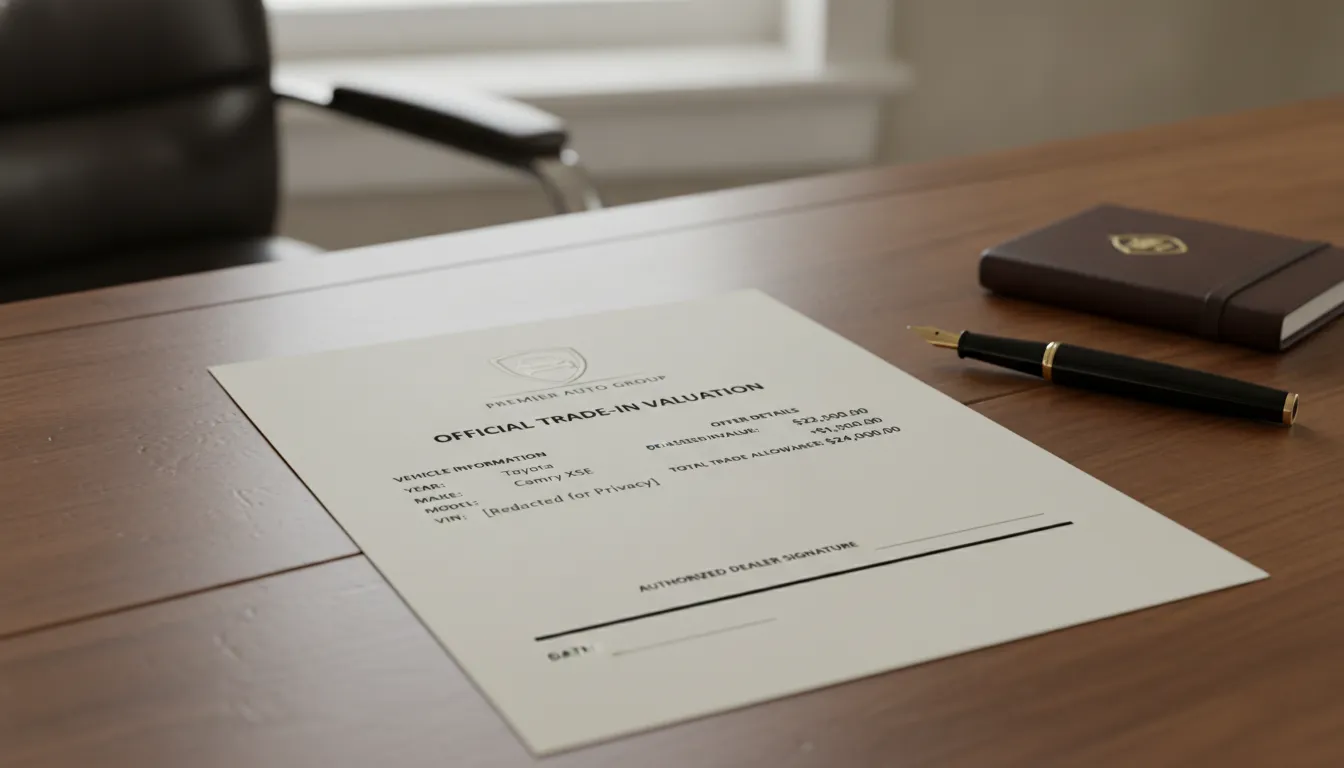
When you take a car to a dealer, they look at more than just its miles. They check the car’s past. If your car has an accident on its record, the dealer will often offer you less money. This drop in price happens even if your car was fixed well. This loss is known as diminished value.
The 20% to 30% loss rule
Most car experts say you can expect to lose a lot of money on a trade-in. A common rule of thumb is that an accident can cut your car trade in value after accident by 20% to 30% because of vehicle depreciation after an accident. This loss is big for newer cars. If your car was worth $30,000, an accident could wipe out $9,000 of that value in an instant.
Dealers use logs like CARFAX to see past damage. When they see an accident, they know they cannot sell the car for the top price. You can read our CARFAX diminished value guide to understand how these history reports affect your trade-in potential. Because of this, they pass that loss on to you. You end up with a smaller check or less credit for your next car.
Why dealers cut trade-in offers
Dealers do not want cars with accidents on their lots. These cars are harder to sell to other people. Most buyers feel a fear or stigma when they see a crash in the past of a car. They worry that the car might have hidden issues that the shop did not fix.
This fear is a real part of the market. Experts at Boston University note that cars lose value because buyers fear the car is not as good as it was before. Even when a car is fixed back to a like-new state, the bad past stays with it. Dealers know this, so they use the accident report to slash their offers.
The impact of accident logs
In the past, you could hide a small dent or scrape. Today, that does not work. Most shops and police teams send data to large logs. When a dealer runs your VIN, they see every claim and repair. This data gives them a strong tool to use against you in a deal.
If you want to get more money, you need to show the true state of your car. An independent automotive appraisal report can help you prove what your car is worth. Without proof, you are at the mercy of the dealer’s math. Georgia law protects your right to recover this loss.
Five Critical Factors That Determine Your Car Trade In Value After Accident
When you pull onto a dealer lot, the staff is ready to judge your car. They want to find every flaw so they can pay you less. If your car has a record of a crash, it is the first thing they will see. This record stays on your history report for a long time. It is the main thing that sets your car trade in value after accident. Even if the car was fixed to look like new, the market price has already dropped.
This drop in price is known as diminished value. It is the loss in what your car can fetch on the open market. Many owners find that their car is worth 10% to 50% less after a wreck. This is true even when the work was done by a top shop. A law review study shows that this loss is a real cost to the owner. It is the money you lose when you try to sell or trade the car later.
The Fear of Hidden Flaws
Dealers know that most car buyers are wary. People worry that a car with a past crash will have more problems later. They fear that the frame is weak or that the safety parts will fail. This fear creates a “stigma” that hangs over the car. Experts say that damaged cars are seen as less safe. People worry they will break down more often. To offset this, dealers have to drop the price to find a buyer. They take that extra money out of your trade-in offer.
How Dealers Set Your Price
When a dealer looks at your car, they are not just looking at the shiny paint. They are looking at the data. They pull history reports like CARFAX to see the size of the crash. They check if the airbags went off or if the frame was bent. They also look at how much the insurance company paid for the work. Every dollar spent on repairs is a sign of a larger loss in value. This gap is the diminished value impact on trade-in between a clean car and your car. between a clean car and your car.
- The Severity and Size of the Damage: A minor scratch or dent is simple to fix, but structural, frame, or engine compartment damage are severe red flags for any dealer. The more extensive the physical damage, the deeper the dealer cuts their trade-in offer.
- The Quality of Repairs and Replacement Parts: Dealers check if repairs were completed using Original Equipment Manufacturer (OEM) parts or cheap aftermarket alternatives. While certified work preserves safety, a history of repairs still triggers a drop in value.
- The Vehicle’s Age and Mileage: Newer vehicles with low mileage experience the sharpest, most painful drop in post-accident trade-in value. On older cars, the impact is still present but the absolute dollar loss is smaller.
- Current Market Demand: If there are numerous identical vehicles with clean history reports on the market, a car with an accident record must be heavily discounted to attract buyers. Dealers cut their bids to protect their profit margins.
- Service and Repair Documentation: Keeping detailed service history records can prove that your car was repaired at a top-tier certified shop. While this demonstrates the car is safe, it does not erase the accident from history logs.
Why Perfectly Repaired Cars Still Lose Value: Inherent Diminished Value
Most car owners think that a full repair job makes their car good as new. But the car market does not agree with this view. Even if a shop uses new parts and matches the paint, the car still loses a lot of its worth. This drop in price is what experts call inherent diminished value. It is the loss that stays with the car simply because it has been in a wreck. In Georgia, owners have a legal right to get back this lost value, even if the car looks and drives well.
Understanding inherent diminished value
Inherent diminished value is the gap between what your car was worth before the hit and what it is worth now. Most people find out about this loss when they check their car trade-in value data. The body damage might be gone, but the record of that damage remains on the car’s file. This past record makes the car worth less to the next person who owns it. A car with a crash in its past will almost always sell for less than the same car with a clean record.
The impact of car history stigma
The main reason for this loss is car history stigma. People who buy cars are often wary of cars that have been in a wreck. They worry that the frame might be weak or that some hidden parts will fail soon. This fear creates a stigma that sticks to the car for as long as you own it. Studies show that cars with a crash record carry a stigma that scares away many buyers. Most buyers will choose the car with no wrecks every time.
Dealer trade-in offers for repaired cars
When you go to a car dealer, they will check the car’s past on a site like Carfax. Once they see a wreck on the report, their trade-in offer will drop right away. Dealers know they cannot sell your car for the same price as a car that was never hit. They must discount these cars to make them sell. They also know that some banks do not want to lend money for cars with a bad past.
Because of these facts, you can expect to get a lot less for your car. Dealers will often offer a lower price because they know the car will take longer to sell. This loss is a huge blow to your wallet when you are trying to move on. The law says you should be paid for the total loss of your car’s value, not just the cost of the parts and labor.
How to Record the Value Gap: Step-by-Step Trade-In Prep
To successfully claim the equity lost after a collision, you must build an undeniable paper trail of the value gap. Preparing your vehicle for a trade-in and claiming diminished value follows a clear, structured sequence. Follow these steps.
- Establish Your Vehicle’s Base Value: Use unbiased valuation tools like Kelley Blue Book (KBB) to determine what your car was worth in a pre-accident state.
- Secure Real Market Dealer Bids: Request written, binding trade-in quotes from local dealerships to document their real-world discount.
- Commission an Independent Appraisal: Retain a certified vehicle appraiser to write a comprehensive, professional valuation report.
By using this clear path, you can build a strong, fact-based case for your diminished value claim.
Finding Your Car’s Base Value
Start by finding what your car was worth before the crash. Use tools like Kelley Blue Book (KBB) to get a base price. Look for the clean value of your car or truck. This sum shows what the car would bring in if it had no past damage. Many buyers will not pay full price for a car with a crash on its record. A study from Boston University notes that buyers often fear a car cannot be fully fixed after a big hit. This fear leads to a lower price for you.
Print out these price quotes and save them. They act as your starting spot. You want to show the high end of the market for a clean car. This sets a goal for your pay. Without this, the insurance firm may use their own low math to pay you less. They often use rules that do not match the real world. You need your own data to push back.
Getting Real Dealer Offers
Once you have your base price, go to a local dealer. Ask for a written trade-in offer. Tell them about the crash and the fix. Most dealers will offer you less than the KBB price. This gap shows the real-world reduction in your vehicle’s market appeal. A dealer might offer 20% to 30% less.
Get at least two or three of these offers in writing. Each one helps prove that the loss is real and not just a guess. These offers show what the market will pay for your car right now. They are much better proof than a simple online tool. Having real names and dates on the paper makes your case much stronger. This is how you force a firm to listen to your needs.
The Need for Expert Appraisals
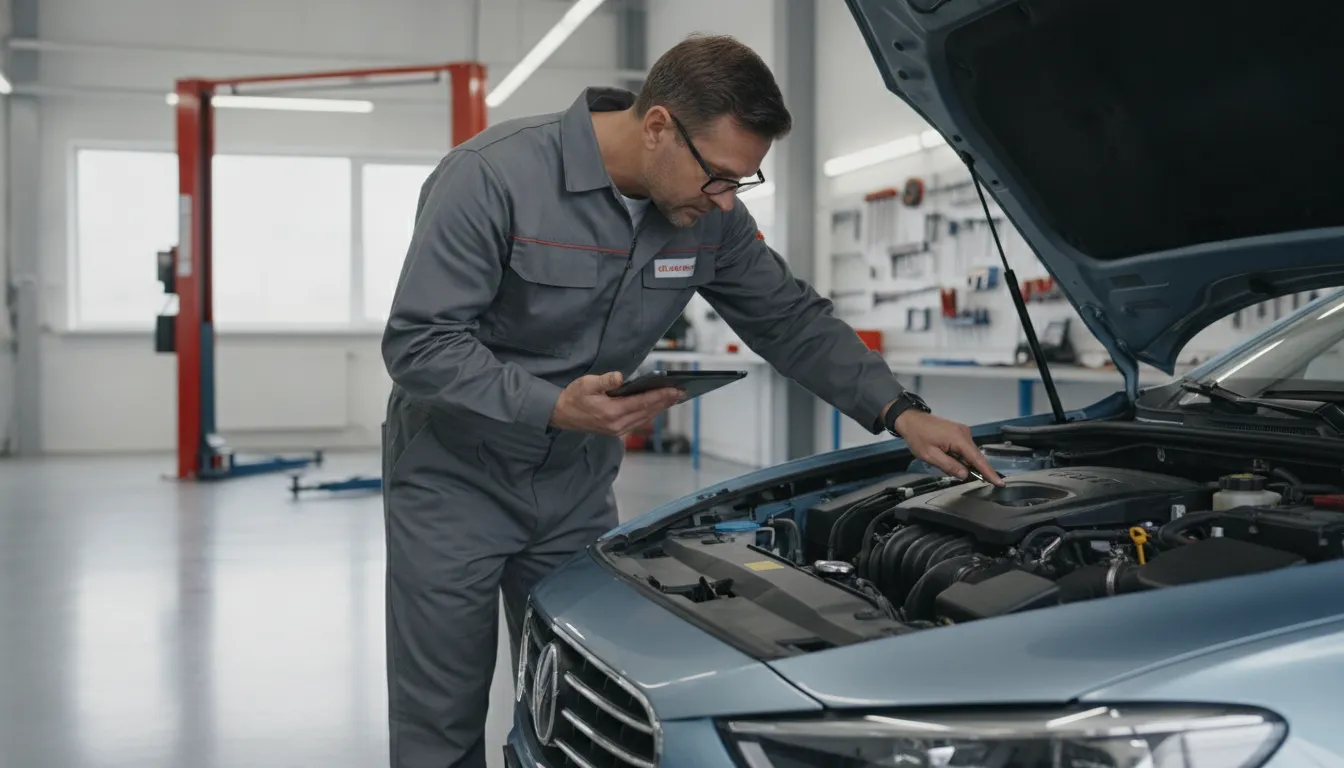
A dealer offer is good, but a third-party report is better. You can hire an expert to look at your car. They will write a full report on the loss of value. This is called a trade-in appraisal. It gives you an expert view that firms find hard to ignore. A pro knows all the tricks firms use and how to beat them.
A good report will look at the type of damage and the quality of the fix. It will also look at how much cars like yours sell for in your town. This deep look gives the final proof you need. It turns your claim from a simple ask into a fact-based demand. This step is often the key to getting a fair sum for your loss. It shows you are sure and ready to fight for your right to be made whole.
| Proof Type. | Insurance Quote. | Market Value Data. |
|---|---|---|
| Source. | Insurance Math. | Real Car Sales. |
| Goal. | Pay as Low as They Can. | Show Real Trade Loss. |
| Truth. | Low / Uses Plain Rules. | High / Based on Local Data. |
| Impact. | Often Underpays Owners. | Backs Full Pay Claims. |
Does Georgia Law Allow You to Recover Your Car’s Lost Value?
Georgia is a top state for drivers who want to get back lost car worth. State law knows that your car loses market appeal after a wreck. Even with great repairs, a crash history creates a mark that lowers what buyers will pay. You have the right to ask for cash for this loss through a diminished value claim. Georgia law is special because it lets you file these claims in more cases than most other states.
Filing a claim in Georgia
In Georgia, you usually have six years from the date of the wreck to file a claim. This long time gives you a chance to find out how much the crash hurt your car trade in value after accident. You can use our guide to calculate your car’s post-accident value loss. Most states only let you file if someone else hit you. But in Georgia, you can often get funds back even if you were at fault for the crash. At Gastley Law, we help all drivers get the money they are owed.
The flaw in insurance math
Insurance firms often use a math tool called the 17(c) formula to decide what to pay. This tool is bad because it sets a hard cap on how much value a car can lose. It often leads to offers that are much lower than the real loss. Many owners find their loss is far more than what the firm says. These models aim to save the insurer money.
Getting a true car value
To fight a low offer, you need a real-world look at your car’s worth. Expert Georgia diminished value appraisal process reports show the true gap in price. Data shows that cars with a crash history can sell for much less than those with a clean title. In some cases, a wreck can cause a 10% to 50% loss in a vehicle’s total market value. Having an expert on your side helps you prove these losses. This is a key part of the right to diminished value that Georgia law protects for all drivers.
How to Connect Your Dealer’s Low Offer to a Georgia Diminished Value Claim
A low trade-in offer from a car dealer is more than just a letdown. It is a real-world look at how much value your car lost. When you try to sell a car with a crash record, the price drops fast. Dealers know that people fear cars that have been in wrecks. This fear creates a “stigma” that lowers the car trade-in value. In Georgia, you have a right to get back this lost value from the insurance firm. You can use the dealer’s low offer to prove how much money you should get.
The dealer offer as real proof
A written trade-in offer is hard proof of your loss. It shows what a buyer is willing to pay for your car right now. Insurance firms often try to say that your car is worth more than it is. They use math to guess the value. But a dealer’s offer shows the loss in resale value in the real market. This loss is what experts call inherent diminished value. It happens even if the shop did a great job on the repairs. If a dealer offers you thousands less because of a wreck, that gap is your claim.
In Georgia, you can file a claim for a wreck that happened up to six years ago. This gives you plenty of time to find a low trade-in offer and use it as proof. Even if you were at fault in the wreck, you may still be able to collect. This is a key right that many drivers do not know they have. Having a real offer in hand makes your case much stronger.
Why dealer offers beat insurance math
Most insurance firms in Georgia use a tool called the 17(c) formula. This formula is flawed and often lowers what you should get. It tries to put a cap on how much they pay you. But a dealer’s offer is not a guess. It is a firm price based on what they can get for the car later. Many cars with a wreck record sell for much less than clean cars. This drop in equity can be huge. By studying recovering Georgia auto collision diminished value, you can show the dealer’s low price, you pull the rug out from under the insurance firm’s math.
Dealers look at a car’s past report before they make an offer. They know that a car with a past crash will stay on the lot longer. They have to lower the price to move it. This is why their offers are so much lower than what a car guide might say. It is not just a guess; it is a business choice based on market trends.
How Gastley Law helps you win
Getting a fair payout for your car’s value loss can be a tough fight. Gastley Law focuses on these types of claims across Georgia. We operate on a contingency fee model; you pay nothing upfront and only pay if we win. We also stay in close touch with our clients. You will have a cell phone number to get updates on your case. Our goal is to make sure you are made whole after a crash. We fight to get you the full amount the law allows.
Frequently Asked Questions
Can I claim diminished value if the accident was my fault in Georgia?
Yes. While many law firms only help drivers who were not at fault, Gastley Law accepts claims for both at-fault and not-at-fault accidents. According to Georgia law, vehicle owners have a right to claim diminished value in Georgia to be made whole after a wreck. This means you can seek payment for your car’s lost value even if you caused the crash. You should check your policy to see if it covers these losses.
How long do I have to file a diminished value claim in Georgia?
In Georgia, you have a long time to start your case. The state allows you to file a claim for up to six years after the date of the wreck. According to our team at Gastley Law, vehicles damaged within the last six years are eligible for these claims. It is best to act fast while you still have your repair records and the car is easy to value.
Does an insurance company have to pay for diminished value in Georgia?
Yes. Georgia is one of the few states that clearly protects this right for car owners. The state sees diminished value as a real loss that must be paid. According to a study from the University of San Francisco, Georgia law ensures that insured drivers can get paid for the drop in their car’s worth. Insurance firms must pay this loss in addition to the cost of the repairs.
How much value does a car lose after an accident?
The drop in price depends on the car and the hit. Most cars will lose a large part of their worth as soon as a wreck shows up on a report. According to our Georgia diminished value lawyers, diminished value typically represents a 10% to 50% loss in a car’s market value. This loss stays with the car even if a shop fixes the body damage to a high standard.
Ready to get your car’s true trade-in value?
Waiting to file your claim only gives the insurance company more time to deny the money you are owed. In Georgia, you have a limited window to recover the loss in your car’s value after a wreck. If you do not act now, you may lose thousands of dollars when you finally try to sell or trade in your vehicle. Our team handles everything so you can focus on getting back on the road with the full check you deserve. We take on the hard work of fighting adjusters so you can get the best price for your car later. You never pay a cent out of pocket to start your case with us today.
Ready to schedule a free case evaluation? Call (770) 557-2838 to talk to a Georgia diminished value expert.