
Georgia Diminished Value Claim After Hail Damage
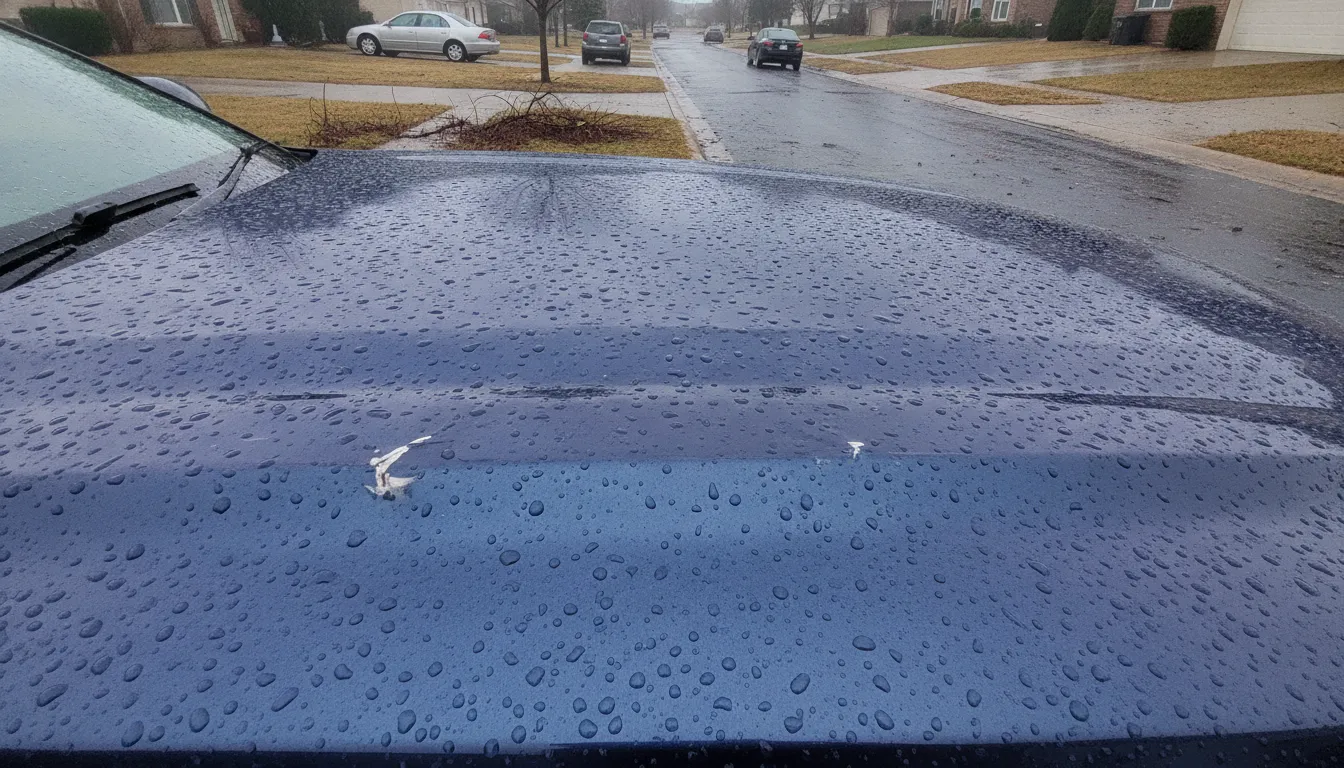
Georgia ranks sixth in the nation for claims linked to severe hail damage. While a body shop can fix the dents, they cannot fix the stain on your car’s history report.
A Georgia diminished value claim after hail damage allows vehicle owners to get back the lost market value that remains after expert repairs. Since Georgia is a top state for hail events, many drivers face large losses when a hailstorm strikes. Insurance companies often use a simple formula to limit what they pay, but this math rarely shows the true loss. According to industry data, one storm can dent a car’s resale value by over $10,000 even if the body work looks great. This happens because a damage report on a car’s history file makes it much harder to sell. Filing a claim helps you get the money needed to cover this hidden drop in value.
Getting a fair payout needs more than just a repair price from a body shop because Georgia law protects your car’s market value. You might even find yourself asking: Can hail damage support a Georgia diminished value claim? The path begins with
Georgia Diminished Value Claim After Hail Damage: Can hail damage support a Georgia diminished value claim?
Yes, you can file a Georgia diminished value claim after hail damage. Georgia is one of the few states where the law forces carriers to pay for the loss in car value. This rule holds even if the car looks new after a shop fixes the dents. Many people do not know that a car loses resale value as soon as a claim is on its record. Because Georgia ranks sixth in the nation for hail claims, this is a common issue for local drivers.
When hail hits your car, the damage can be more than just surface dents. Even if a pro uses paintless dent repair to fix the body, the car now has a history. Most buyers will pay less for a car that has seen big repairs. This drop in price is what pros call diminished value. If you have a car in Georgia, you may be able to get cash for this loss. You just need to show how much the market value fell because of the storm damage.
How hail damage hurts your car market value
A car with a clean record is worth more than a car with a history of damage. Once a hail claim shows up on a report like Carfax, your car may sell for 30% less than a clean car. Professional shops may do a great job, but they cannot erase the record. Buyers often fear that hidden damage might still be there. This distrust leads to lower offers when you try to sell or trade in your car later.
Carriers often say that fixing the car is enough. But a fixed car is rarely worth as much as one that was never hit. For some high-end cars, a single storm can cut the price by $10,000 or more. This is why a diminished value in Georgia claim is vital. It helps you get back the money you lose in the future sale of the car. Without this claim, you are the one left paying for the loss in value.
Comprehensive coverage and your claim
Hail damage usually falls under your first-party comprehensive coverage. This part of your plan covers “acts of God” like storms or fire. In Georgia, your own carrier must pay for the value loss as part of this claim. This is different from most other states where you can only claim value loss from another driver. You should check your plan, but most full coverage in Georgia includes this right.
Most carriers use a set tool called the 17c formula to figure out your payout. This method came from a Georgia court case years ago. It starts with the book value of your car and uses a cap of 10 percent. From there, the agent looks at how bad the damage was and the miles on the car. This rule often gives a very low number to the car owner. To get a fair deal, you may need a pro to look at your car and give a full report. Data from the National Oceanic and Atmospheric Administration shows that hail hits Georgia often. Knowing your rights helps you get every cent you are owed.
Why repaired hail damage can still reduce resale value
A car with a clean history is always worth more than one with past damage. Even if you get expert repairs, the car’s market price drops the moment a storm hits. This is why many owners seek a Georgia diminished value claim after hail damage. Buyers see a history of repairs and assume the car might have hidden issues or a weaker frame. This loss in value happens even if the car looks like it just left the showroom.
The impact of car history reports
Most car buyers today use tools like Carfax. These reports track every insurance claim filed for a car. Once hail damage is noted, it stays on the report for as long as you own the car. Data shows that cars with a damage history often sell for much less than like cars with a clean record. Some reports show a drop of 30% in resale price due to a bad history file.
When you trade in your car, the dealer will check these reports first. They use the report to lower their offer. They know they will have a harder time selling a car that has been “repaired.” This loss in market price is the core of diminished value in Georgia that insurance firms often ignore.
Buyer distrust and market perception
People often feel nervous about buying cars that had hundreds of tiny dents. They may worry about the paint failing later or rust forming in spots they cannot see. Even if the body shop used paintless dent repair, a buyer still sees the car as “damaged goods.” This is a big problem in areas with many storms.
This view creates a gap between what the car is worth on paper and what someone will pay in cash. This gap grows even larger for luxury cars or new trucks. For most buyers, a car that faced a big storm will never be seen as “perfect” again. No matter how good the work looks, the history of the car has changed forever. This makes it harder to get a fair price when you are ready to sell.
How professional repairs fall short
Good body shops can make a car look new again. But they cannot erase the fact that the storm happened. According to the National Oceanic and Atmospheric Administration, hail causes billions in property damage every year. These storms can dent a car’s value by $10,000 or more in a moment.
The loss in value starts the second the hail hits the metal. Repairs fix the look of the car, but they do not bring back the car’s full value. This is known as inherent diminished value. It is the money you lose because the car now has an “accident history.” If you do not file a claim. You are left to pay for this loss yourself when you sell the car later. In Georgia, you have the right to ask your insurance to pay for this loss.
How to document a hail-related diminished value claim
Winning a Georgia diminished value claim after hail damage often depends on your paper trail. You must prove to the carrier that the storm truly lowered your car’s market value. Since Georgia ranks 6th in the country for hail claims according to NOAA data, adjusters see many cases each year. Clear records help your file stand out and make it hard for the firm to deny your loss. You need to show that the dents are more than just a surface fix.
Capturing initial damage and storm evidence
Start your proof as soon as the storm ends. Take clear photos of the dents from several angles in bright light. Use a coin or ruler in the shot to show the size of the hail marks clearly. You should also note the exact time and place where the damage happened. This data links your car to the specific weather event in your area. If possible, save news clips or weather alerts from that day to serve as extra proof.
Tracking repair costs and vehicle history
Save every paper related to the fix. This includes the first estimate and the final invoice from the body shop. You must show that even though the car looks new, it now has a history of major damage. Most buyers will check a vehicle history report and offer less for the car once they see a claim. Reviewing the Georgia diminished value claim requirements helps you stay on track. Check your policy for rules on property damage and log every call you have with your agent.
Gathering professional value assessments
Your insurance company may use a simple math tool called the 17c formula to guess your loss. This often results in a low offer that does not reflect what local buyers will pay. To get a fair payout, you need an expert who knows the Georgia car market. They can write a report that shows how much value the vehicle lost because of the storm. This paper acts as your main weapon when you ask for more money from the carrier.
Follow these steps to build a strong case for your claim. Each piece of proof makes it easier to show your vehicle’s worth has dropped.
- Take photos of the car in the sun before any repairs begin.
- Record the storm date and city to prove the weather event.
- Find your old service records to show the car’s state before the storm.
- Keep all written quotes and final bills from the shop.
- Save every email or letter sent by the insurance company.
- Order a car history report to see how the damage appears.
- Get a full report from a car value expert.
What appraisal evidence strengthens the claim?
A strong Georgia diminished value claim after hail damage depends on the quality of your proof. You must show that your car is worth less now than it was before the storm. A simple repair bill will not do this. You need a full demand package that proves the exact amount of value you lost.
Why repair bills are not enough
Many drivers think that a paid repair bill is enough to prove their loss. But these bills only show the cost of parts and labor to fix the dents. They do not show how much the market value of the car has dropped. Even if the work looks perfect, a hail claim on your car history report can lower the price. Buyers often do not trust cars that have a record of past damage. This lack of trust often leads to a lower resale price when you try to sell the car.
Insurance firms often use a math shortcut called the 17c formula. This method uses a basic worksheet to guess the value loss. It starts with the retail book value and adds a small cap, usually 10 percent. But this tool often fails to capture the true loss for high-end trucks or luxury cars. It does not look at the local market or the specific damage to your vehicle. To get the best payout, you must look beyond the repair bill.
The role of a professional appraisal
The best way to fight a low offer is with a professional report. You should get a report that follows the Uniform Standards of Professional Appraisal Practice (USPAP). This type of appraisal provides a deep look at what your car is worth. It compares the pre-loss value to the value after the repairs are done. This data is much stronger than a basic insurance worksheet. It gives you a clear path to show that a single storm can dent a car’s value by a huge amount.
Having this data is key because Georgia is a top state for hail events. The state ranks 6th in the entire country for hail claims from federal data. Since so many cars are hit, insurance agents see these claims every day. They expect you to take their first low offer. A real appraisal proves you know the true worth of your vehicle and will not settle for less.
How to set up your demand package
Your demand package should be clear and easy to read. Start with the USPAP report as the main proof. Add clear photos of the damage before the fix. You should also include your repair records and the final bill. This shows the insurance firm that you have done your homework. It also sets the stage for invoking the appraisal clause if the insurer still says no.
You may also need to point to Georgia law. State rules like Section 33-4-6 of the Georgia code give you the right to challenge the insurer. If they act in bad faith or offer too little, they could face fees. Using an expert who knows diminished value in Georgia can help you build this case. When you present a full file of facts, you make it much harder for the insurer to ignore your claim.
Common insurer objections and how to respond
Insurance firms use many tricks to lower your payout. They might say your car is fine since the dents are gone. But a car with a repair record is worth less than one that was never hit. In Georgia, you can fight these tactics and get the money you need.
Challenging the 17c math
Most carriers use a tool called the 17c formula. This math comes from an old court case, but it is not a set law in Georgia. The math often uses a ten percent cap on the car’s value. This cap can lead to a low offer that does not match the real market loss. If you have a high-value car, the loss can be much more than what the math shows.
You should not accept a 17c offer as the final word for your Georgia diminished value claim after hail damage. These math sheets often miss how much buyers dislike hail record. A car that had thousands of dents is much harder to sell later. You can use a real report from an expert to show the true loss of diminished value in Georgia. This proof is much stronger than a simple math sheet from the insurance firm.
The “good as new” myth
Firms often claim they do not owe you more money if the car looks good. They say the repair put the car back to its old state. This is a common lie used to skip paying for value loss. Even the best paintless dent repair (PDR) shows up on car reports. Once a car has a repair record, its value drops right away.
Buyers often check reports from firms like Carfax before they buy. Reports of hail damage can make a car sell for much less than a clean car. Data from the US weather data shows that Georgia is a top state for hail. With so much hail in the state, buyers are very careful. They often pay less for any car that has a storm on its record. Getting the full value for your vehicle is your right, even if the dents are gone.
| Common Claim | Your Response | Proof Needed |
|---|---|---|
| “Your car is fully repaired.” | Repair does not fix the loss in resale value. | Market data of like cars. |
| “The 17c math is the law.” | 17c is just a worksheet and is often too low. | Expert USPAP report. |
| “Your car has high miles.” | Value loss still occurs on high-mile cars. | Dealer quotes or sales data. |
| “There was prior damage.” | New hail damage is a separate loss event. | Before and after photos. |
Fighting back with Georgia law
You have tools to fight an unfair offer on your claim. If an insurer gives you a low bid, you can use the appraisal clause in your policy. This clause lets you hire your own expert to value the loss. Invoking the appraisal clause forces the firm to listen to a pro. This is often the best way to get a fair payout when the carrier plays games.
Georgia law also protects you from bad faith in insurance claims. Firms must follow fair rules when they handle your claim. If they ignore clear proof of loss, they might face big fines from the state. You do not have to take their first offer or settle for less. A real report from an expert can help you prove what your car is truly worth now.
When should a Georgia vehicle owner seek legal help?
Most people try to talk to their insurance agent first. This is a good start. But insurance firms often want to pay as little as they can. They might use a simple math tool called the 17c rule.
This tool does not always show the true loss for a diminished value claim. If your car has big dents from a storm, you may need a pro to look at it. You should seek help when the offer from the firm feels too low. A lawyer can help you fight for the full amount you deserve.
Low offers from insurance firms
Insurance firms in Georgia must follow state laws. Still, they often give low offers for a Georgia diminished value claim after hail damage. They may say the damage is just on the surface. But even small dents can hurt what your car is worth.
If the firm will not budge on their price, it is time to call a pro. You should not have to lose money because of a storm. Experts can help you by invoking the appraisal clause to get a better deal.
Georgia is a top state for weather claims. In fact, Georgia ranks 6th in the country for hail claims based on NOAA data. This means insurance firms deal with many claims at once.
They may rush through yours to save time and money. If you feel like just a number, a law firm can make sure they hear you. They know the tricks firms use to pay less than they should.
Loss of value after expert repairs
Even if your car looks new again, it has a history. Buyers can see this on a Carfax report. This report often makes people want to pay less for the car.
Some cars sell for 30% less after they have been in a wreck or a storm. This is called inherent diminished value. If you plan to sell your car, this loss is real money out of your pocket. A lawyer knows how to prove this loss to the insurance group.
You may need to show that the repairs did not fix the market value. This is hard to do on your own. You will need a Georgia diminished value claim requirements check.
A legal team can find the right people to check your car. They use reports that the court will accept. This makes it much harder for the insurance group to say no to your claim.
Large proven value losses
A big storm can cause a lot of harm. Some cars lose more than $10,000 in value after a hailstorm. When the loss is that large, you should not go it alone. The stakes are too high to make a mistake.
A lawyer can help you get a full appraisal to show the true cost. This is the best way to make sure you get every cent back. They will work with you to build a strong case.
Most lawyers in this field work on a fee model where you pay nothing upfront. They only get paid if you win your case. This takes the risk away from you.
You can get help from diminished value lawyers without spending your own cash first. They will front the costs for the appraisal and other fees. This is a smart move when you face a big loss from a Georgia storm.
Frequently Asked Questions
How long do I have to file a Georgia diminished value claim after hail damage?
In Georgia, you usually have up to six years from the date of the hail storm to file a diminished value claim. This long window gives you time to find out how much your car’s value fell after the repairs. However, you should start the work as soon as you can to keep your proof fresh. Waiting too long can make it hard to get a fair payout from the insurance firm.
How common are hail damage claims in Georgia?
Hail is a big issue for local drivers as Georgia ranks sixth in the nation for hail claims. A single storm can hit thousands of cars, causing millions of dollars in property damage. In 2024 alone, Cobb County saw over $5.3 million paid out for hail claims. This high volume of claims means insurance firms are used to these cases and often try to pay as little as possible.
Can I still file a claim if I have already repaired my car?
Yes, you can still file a claim even if you have already fixed the hail dents. In fact, many experts suggest waiting until the repairs are done to see the final state of the car. The market value loss happens because the car now has a damage history on its record. As long as you have the repair bills and photos of the damage, you can prove your loss.
What if the hail repairs look perfect?
Even if the repairs look great, your car still suffers a loss in market value. Once a claim shows up on a vehicle history report, buyers will often pay up to 30 percent less than for a clean car. This loss happens because buyers fear hidden issues that might not be seen by the eye. According to market data, a car with a history of big repair is always worth less than one without it.
Ready to get paid for your car’s lost value?
If you wait to start your claim, you might lose the chance to get back the money your car lost in value from hail damage. Insurance firms often count on you to give up or take a low check that does not cover the real cost of the damage. When you act fast, you are in a better spot to fight for the cash you are owed before the clock runs out. Getting help now means you do not have to guess if the offer is fair or deal with the adjusters alone. You can take control of the process and make sure your car’s worth is kept safe by starting the legal path today. Our team will look at your case and help you find the best way to get the money back.
Ready to start? Contact Gastley Law about a Georgia diminished value claim to get a free consultation.