
21st Century Diminished Value Claim
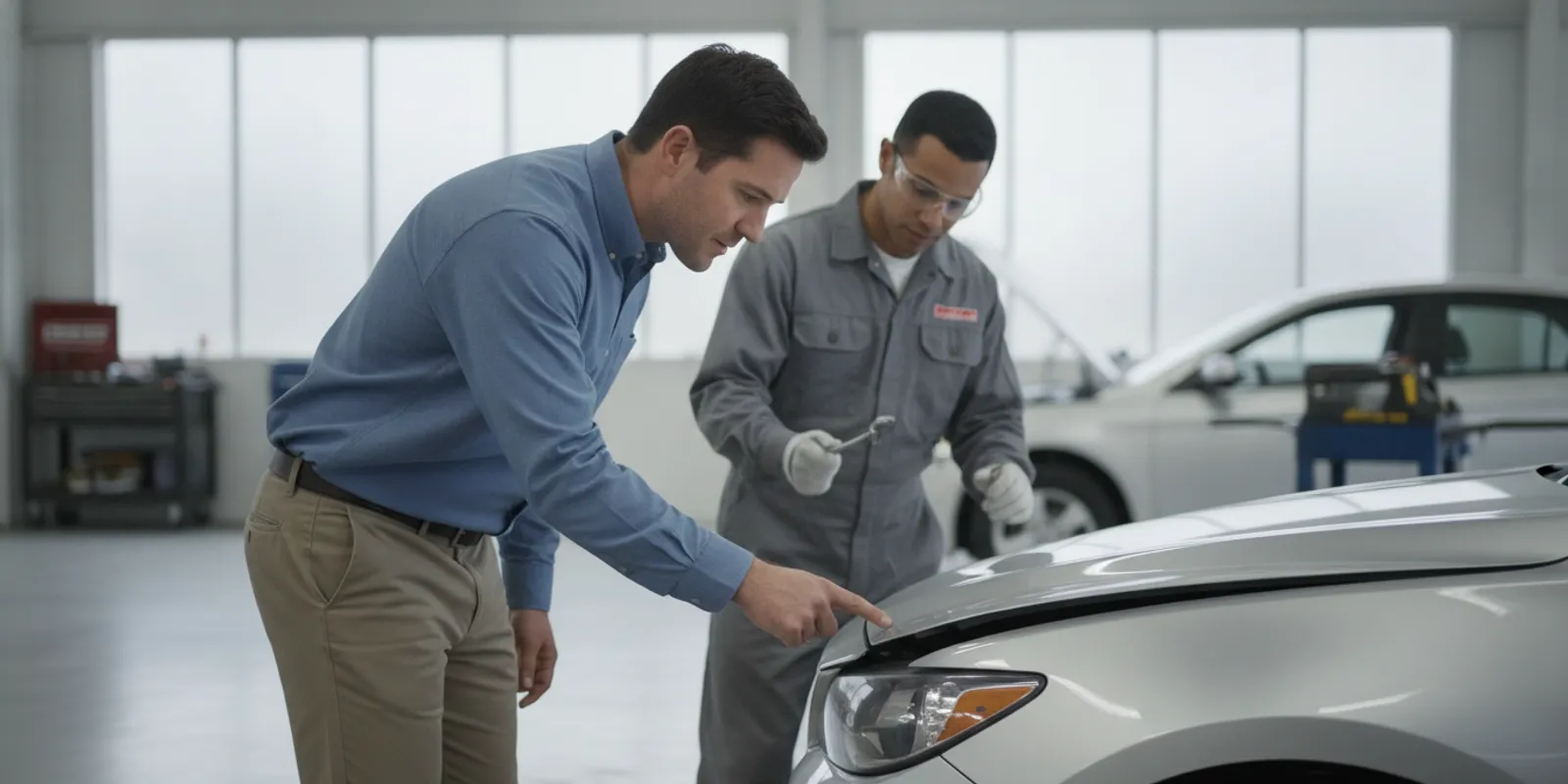
If your car was repaired after a crash and you are pursuing a 21st Century diminished value claim, the central question is whether the accident history has reduced what a willing buyer would pay for your vehicle. A repair bill can restore the car’s function and appearance without erasing that history. For Georgia vehicle owners, the insurer, policy, accident facts, and supporting evidence all matter.
Request a free case evaluation with Gastley Law or call (770) 557-2838.
This is a Georgia-focused guide, not a statement that every policy associated with the 21st Century name provides diminished value coverage. Confirm the insurer and policy involved in your specific claim before relying on a general explanation. If you want an overview of the claim itself, see Gastley Law’s guide to diminished value claims.
What is a 21st Century diminished value claim?
Diminished value is the difference between a vehicle’s value before a collision and its market value after it has been repaired. A buyer may offer less for a vehicle with an accident or repair history, even if the repairs were completed properly. That potential difference is separate from the cost to repair physical damage.
A claim described as a “21st Century diminished value claim” is not a special type of loss with one universal procedure. The phrase generally identifies a diminished value request connected with an insurance claim or policy bearing the 21st Century name. The actual company responsible, the policy language, and the relationship of the parties to the crash must be confirmed from the claim documents.
Start with the declarations page, insurance card, claim correspondence, and any release or settlement paperwork. Check the named insurer, policy number, claim number, and whether the insurer is handling a claim under your own policy or another driver’s coverage. Brand names and claim administrators do not replace the identity of the legal insurer named in the documents.
For example, a driver might recognize a familiar brand on an old insurance card while current claim letters identify a different underwriting company or claims administrator. Do not infer from the logo alone which contract applies. Use the legal insurer and policy information shown in the operative documents, and ask the adjuster to clarify in writing if the paperwork uses inconsistent names. That simple check can prevent you from sending a demand to the wrong address or relying on a rule that applies to a different policy.
Does a Georgia driver automatically qualify?
No single fact, such as having repairs completed or receiving a payment for vehicle damage, proves that an insurer must pay a separate diminished value amount. Eligibility and the path to pursue a request depend on the facts and the applicable coverage. A third-party claim against another driver’s insurer is not the same as a first-party claim under your own policy.
In a third-party claim, you are seeking compensation from the insurer handling the responsible driver’s coverage. In a first-party claim, you are asking your own insurer to apply your policy. The policy terms and legal issues can differ, so do not assume that an answer about one kind of claim controls the other. A useful starting point is Gastley Law’s explanation of how third-party insurance claims work.
For a Georgia vehicle owner, the accident location, vehicle registration, policy terms, repair status, and available evidence can all affect the analysis. If an insurer says it does not handle a diminished value request, ask it to explain the decision in writing and identify the policy provision or claim basis it relied on. Do not treat a general statement about another state, a different policy, or a different claim type as the final answer to your situation.
The National Association of Insurance Commissioners’ research on automobile diminished value claims discusses the concept and the variation in state laws and cases. It is useful background, but it does not decide a particular Georgia claim or substitute for reviewing the policy and facts.
When you ask whether a request is being considered, make the question precise. You can ask whether the file is a first-party or third-party claim, which insurer is evaluating it, what policy or liability basis is being applied, and whether the insurer will review a separate post-repair value submission. Keep the response with your claim records. A general phone answer may not explain whether the issue is coverage, liability, missing evidence, or the amount claimed; those are different questions and may call for different follow-up.
What evidence should you gather?
A strong request is easier to evaluate when the vehicle’s condition, repair history, and claimed loss are documented. Preserve the original records and provide copies. Organize the material in a way that lets the adjuster compare what happened, what was repaired, and how the accident history may affect resale value.
- Claim and policy records: Keep the claim number, adjuster contact details, coverage position, relevant policy pages, and all written offers or denials.
- Pre-accident vehicle details: Record the year, make, model, trim, mileage, options, maintenance history, and any pre-existing damage. Use records created before the collision when available.
- Repair documentation: Gather the final itemized repair bill, parts information, repair photographs, supplements, and any inspection or calibration records provided by the repair shop.
- Accident and damage photographs: Keep clear images of the damage and repaired areas. Include dates or other context when possible, and do not alter the original files.
- Valuation support: Obtain an independent appraisal or other credible analysis explaining the vehicle’s pre-loss value, post-repair value, and how the appraiser reached the conclusion.
- Comparable vehicles: Save relevant listings or valuation evidence for vehicles with similar age, mileage, trim, condition, and accident history. Explain why each comparison is appropriate.
- Communication log: Note when you contacted the insurer, what was discussed, what was requested, and the date of each response.
Evidence should connect the claimed amount to your specific vehicle. A generic percentage or formula, by itself, may not show why a buyer would discount this car or how much the effect is. An appraisal is most helpful when it addresses the vehicle’s actual configuration and repair history rather than just repeating a calculation. Gastley Law provides more detail on the role of a diminished value appraisal.
Build a simple chronology before you send anything. List the collision date, when the vehicle was inspected, repair start and completion dates, dates of insurer inspections or offers, and the dates you requested information. Put a label on each exhibit, such as “Exhibit A — final repair invoice,” and refer to that label in your explanation. This makes it easier to identify whether a disagreement concerns the facts of the repair, the pre-loss condition, or the valuation method.
Be careful with online advertisements as comparables. A listing is an asking price, not necessarily proof of a completed sale, and a vehicle that looks similar may differ in trim, mileage, options, condition, or history. If you use a listing, save the page or a dated copy and explain both the similarities and any differences. Do not present a single listing as conclusive; it is more useful as one piece of context alongside vehicle records and a reasoned appraisal.
How can you request diminished value from the insurer?
Use a clear, documented sequence. The steps below are practical ways to keep the request focused; they are not a promise that a particular insurer will accept the claim or follow a fixed timeline.
- Confirm the claim path. Identify the named insurer and determine whether the request is being made under your policy or another driver’s coverage. Ask the adjuster which claim file should receive the diminished value materials.
- Finish and document repairs. Keep the final repair invoice and related records. If there is a disagreement about the repair work itself, address that separately from the possible reduction in resale value. Gastley Law’s Georgia vehicle property damage claim guide discusses documenting a vehicle damage claim.
- Develop a reasoned valuation. Gather vehicle-specific records and consider whether an independent appraisal is appropriate. Review the assumptions, comparable vehicles, repair details, and calculations before using it to support a demand.
- Send a written request. Identify the accident, vehicle, claim number, and amount requested. Attach the supporting records and briefly explain how they support the claimed post-repair loss. Keep proof of delivery and a complete copy.
- Ask for the insurer’s reasoning. If the offer is low or the request is rejected, ask for the valuation method, evidence considered, and the reason for the decision in writing. Respond to specific errors with documents rather than an unsupported counterfigure.
- Review any proposed resolution. Read settlement language carefully. Determine whether it releases only a particular part of the claim or other property damage claims as well. Ask questions before signing if the scope is unclear.
A demand package can be short and still complete. In the opening, identify yourself, the vehicle, the crash date, and claim number. State that you are requesting consideration of post-repair diminished value, name the amount sought, and give a concise explanation of the evidence. Follow with an indexed list of attached records. Close by asking the insurer to confirm receipt and provide its written position, including the basis for any disagreement.
Before sending, check each attachment against the claims you make. If your letter says the final invoice documents repairs to a specific panel, make sure the invoice actually identifies that work. If your appraisal assumes a certain mileage, compare it with the odometer record. Correct inconsistencies instead of hoping the adjuster will overlook them. Keep the originals, send readable copies, and use a delivery method that creates a record.
For a more detailed process, review this five-step guide to filing a loss of value claim. If a response appears inconsistent with the records, the general guide to disputing an insurance claim can help you think through how to organize your next communication.
How should you compare an offer with your evidence?
Do not compare the insurer’s number with your requested number alone. Compare the assumptions behind each valuation. An offer may rely on a particular formula, damage classification, or view of the vehicle’s pre-accident condition. Your appraisal may use different assumptions. Pinpointing that difference gives you a more useful basis for a response.
| Review point | What to check in the insurer’s position | What your supporting records should show |
|---|---|---|
| Vehicle identity and condition | Are the mileage, trim, options, and prior condition accurate? | Vehicle records, service history, photographs, and pre-loss documentation |
| Repair history | Does the evaluation reflect the actual parts, labor, and areas repaired? | Final itemized invoice, supplements, repair images, and inspection records |
| Value before the collision | Is the starting value supported and specific to this vehicle? | Comparable vehicles and valuation information that accounts for age and mileage |
| Effect of accident history | Does the analysis explain how the recorded damage may affect resale? | A vehicle-specific appraisal and relevant market comparisons |
| Claim and release scope | What claim or categories of damage does the offer resolve? | The claim correspondence, policy information, and proposed settlement language |
Use the comparison to write a concise response. For example, identify an incorrect mileage figure, attach the document that corrects it, and explain why the correction matters to the valuation. If you dispute an assumption about the repair, cite the repair record that addresses it. Avoid relying only on the idea that all repaired vehicles lose the same amount.
Another practical example: suppose the insurer’s written evaluation describes minor cosmetic work, while your repair file shows replacement of a part and additional work recorded in a supplement. Do not simply say that the insurer’s figure is unfair. Point to the exact line in the supplement, explain what the document records, and ask whether the evaluator considered it. If the insurer did consider it, request an explanation of why that fact did not change the valuation. This creates a focused issue for review without claiming that one repair detail automatically determines the result.
Keep separate columns in your own notes for facts, assumptions, and conclusions. “The car had 42,000 miles at the time of the loss” is a fact if supported by a record. “The comparable has a different trim” is a comparison point. “That difference reduces the reliability of the comparison” is your reasoned conclusion. Separating them helps you avoid overstating what the documents establish and makes any disagreement easier to explain.
What if the insurer denies the request or makes a low offer?
First, ask for the decision and its basis in writing. A denial may relate to the claim type, policy language, liability position, timing, or valuation evidence. Those issues are not interchangeable. Knowing which reason the insurer is asserting helps you decide whether to submit additional documentation, request reconsideration, or seek guidance.
Keep communicating in a professional, factual way. Send one organized package rather than scattered messages, label attachments, and retain copies. If the insurer relies on a calculation, ask what inputs it used. If it disputes the claimed loss, answer with evidence tied to the vehicle and its repair history.
Do not assume that a deadline is extended while you negotiate. Applicable time limits depend on the legal claim and circumstances. Check the relevant policy and get advice promptly if you are unsure about a deadline, have received a release, or the insurer has issued a final position. Gastley Law focuses on diminished value and property damage claims for Georgia vehicle owners and can evaluate whether the facts warrant further action.
Before escalating, sort the insurer’s response into the issue it actually raises. A request for more records may be answered with a missing invoice or photograph. A disagreement about the value estimate may call for clarification of the valuation inputs or an appraisal response. A position based on policy language or claim type calls for careful review of the relevant documents, not just another market comparison. If the response combines several reasons, answer each separately and refer to the supporting record for that point.
Also review any release or settlement form as a separate decision. A payment offer and the document that describes what claims are being resolved should be read together. The wording may address more than the diminished value request, so do not sign based on a phone summary if you are uncertain about its scope. Ask for clarification in writing and consider legal advice before accepting terms that could affect unresolved property damage issues.
Request a free case evaluation with Gastley Law or call (770) 557-2838 to discuss a Georgia vehicle claim.
Frequently Asked Questions
Does a 21st Century policy always include diminished value coverage?
No. Do not assume a particular coverage based only on the brand name or a general description of diminished value. Review the policy, identify the named insurer, and confirm whether the request concerns your own coverage or another driver’s insurance.
Can I make a diminished value claim if my car has been repaired?
Repairs do not necessarily answer whether a vehicle has lost market value because of its accident history. The repair records can help explain the vehicle’s condition, but you still need evidence supporting the claimed difference in value and must establish an applicable claim path.
Do I need an appraisal before contacting the insurer?
You can ask the insurer how to submit a diminished value request and what documents it needs before deciding whether to obtain an appraisal. An independent, vehicle-specific appraisal may help support the amount, but review its assumptions and confirm that the expense makes sense for your circumstances.
What should I do if the insurer says it does not handle diminished value?
Ask for the position and its basis in writing. Confirm the claim type and named insurer, then compare the explanation with the policy and your records. A denial for one claim type or policy should not be treated as a universal rule for every claim.
Can Gastley Law help with a claim outside Georgia?
Gastley Law’s practice is focused on Georgia vehicle owners and Georgia claims. Drivers elsewhere should consult an attorney licensed in their state or the appropriate state insurance regulator about local procedures.
A well-supported 21st Century diminished value claim starts with confirming the responsible insurer and claim path, then documenting the vehicle-specific loss and responding carefully to the insurer’s reasoning.