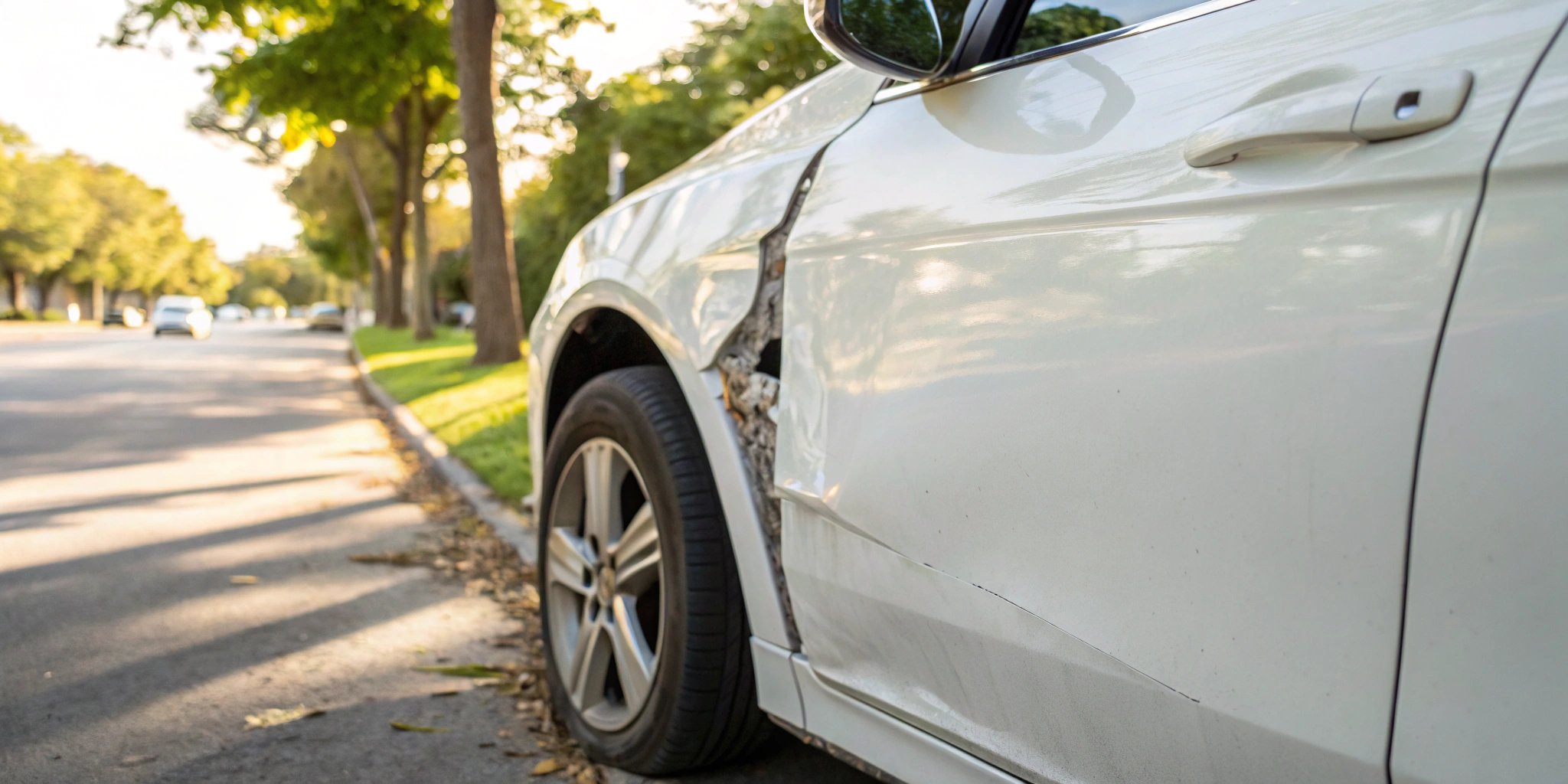

Insurance companies handle car accident claims every day—and they do it with one goal in mind: minimize payouts. Whether they’re labeling your car a total loss, undervaluing repair damage, or pushing a quick settlement, the process is designed to work in their favor unless you know how to push back.
Car accident settlement negotiations are not about fairness; they’re about leverage. If you don’t understand how insurers calculate damage, how to dispute their decisions, or how to demand proof when you disagree, you’re likely leaving money on the table.
This guide explains how car accident settlement negotiations work in Georgia, how to dispute unfair damage valuations, what to do when your car is totaled—or shouldn’t be—and how to recover the full compensation you’re owed.
If your accident involved injuries as well as vehicle damage, visit our Car Accident Lawyer page to understand how settlements fit into a broader claim.
Key Takeaways
-
Insurance companies start low on purpose.
Early settlement offers—whether for repairs or a totaled vehicle—are designed to limit payouts. They are almost never the best or final offer unless you accept them without challenge. -
You have the right to dispute damage and total loss decisions.
If you disagree with a repair estimate, appraisal, or total loss valuation, you can demand documentation, challenge incorrect data, and use appraisal or dispute procedures allowed under Georgia insurance policies. -
Total loss valuations are negotiable.
Insurers often undervalue totaled vehicles by using inaccurate comparables, missing options, or incorrect mileage. You are entitled to a payout based on your car’s true pre-accident market value. -
Documentation is leverage.
Repair invoices, photos, valuation reports, market comparisons, and appraisal evidence force adjusters to justify their numbers instead of relying on internal formulas. -
Negotiation is a business process, not a conversation.
Keep communications professional, request explanations in writing, and never rush into signing a release—especially if injuries or additional damages are still unresolved. -
When insurers refuse to be fair, escalation works.
Supervisor reviews, appraisal clauses, and legal action often lead to better outcomes when negotiations stall or bad-faith tactics appear.
How Car Accident Settlement Negotiations Really Work
Insurance adjusters are trained negotiators. They rely on internal valuation software, depreciation formulas, and quick deadlines to control the conversation. Most early settlement offers are starting points, not final numbers.
Negotiation usually begins after:
-
Liability is accepted or mostly clear
-
Vehicle damage is assessed
-
Medical treatment is underway or complete
From there, insurers calculate what they believe your claim is “worth”—often based on cost-saving assumptions rather than real-world impact.
What Is a Fair Car Damage Settlement?
A fair settlement accounts for actual financial loss, not just what’s cheapest for the insurer. That includes:
-
Reasonable repair costs
-
Diminished value (when applicable)
-
Loss of use
-
Accurate pre-accident value for totaled vehicles
Insurance companies often present their offer as “standard” or “non-negotiable.” It rarely is.
When the Insurance Company Totals Your Car
A vehicle is considered a total loss when repair costs approach or exceed a percentage of the car’s value. Insurers often push total loss declarations because it caps their exposure.
But a total loss valuation is not automatically correct.
Insurance companies determine value using databases that may:
-
Ignore recent upgrades
-
Use incorrect mileage
-
Rely on poor vehicle comparables
-
Exclude local market pricing
If your car is totaled, the payout should reflect what it would have sold for immediately before the crash, not a generic average.
How to Disagree With a Total Loss Adjuster
If you disagree with the insurance company’s total loss valuation, you have the right to challenge it.
Steps include:
-
Request the insurer’s valuation report
-
Review listed comparables for accuracy
-
Identify missing options, condition errors, or mileage issues
-
Provide corrected data or competing market evidence
Many drivers accept total loss offers simply because they don’t know disputes are allowed. They are.
Auto Damage Claim Disputes: When Repairs Are Undervalued
Not every dispute involves a totaled car. Many claims involve repair undervaluation, where:
-
Labor rates are capped below market
-
Aftermarket or recycled parts are substituted
-
Structural damage is minimized
-
Supplemental damage is ignored
An auto damage claim dispute focuses on forcing the insurer to justify their repair estimate with evidence.
Disagreeing With a Car Damage Appraisal
When you and the insurance company disagree on vehicle damage value, an appraisal dispute may apply.
Georgia policies often include an appraisal clause that allows:
-
Each side to hire an appraiser
-
A neutral umpire to resolve differences
-
Binding valuation outcomes
This process can be powerful—but only when used correctly.
How to Get More Money From Car Insurance
Recovering more money isn’t about arguing—it’s about documentation and pressure.
Effective strategies include:
-
Never accepting the first offer
-
Demanding written justification for valuations
-
Submitting repair supplements
-
Using independent appraisals
-
Challenging incorrect depreciation
Insurance companies move when they realize the claim will cost more to resist than to resolve.
Negotiation Is a Business Process—Not a Conversation
Treat settlement negotiations like a formal transaction:
-
Communicate in writing when possible
-
Keep a claim log (dates, names, summaries)
-
Ask for explanations, not opinions
-
Don’t rush deadlines set by adjusters
Never sign a release unless you fully understand what rights you’re giving up—especially if injuries are still developing.
If injuries are involved, review our Personal Injury Lawyer page before settling.
When Negotiations Stall or Break Down
If negotiations reach a standstill:
-
Ask for a supervisor review
-
Invoke appraisal rights (if applicable)
-
Escalate with legal representation
-
Consider litigation when justified
Settlement offers often improve once insurers see legal leverage introduced.
Common Mistakes That Cost You Money
-
Accepting the first offer
-
Trusting insurer valuations without review
-
Failing to dispute incorrect data
-
Signing broad release forms
-
Negotiating verbally with no paper trail
These mistakes are avoidable—and costly.
When to Contact a Georgia Car Accident Attorney
You should strongly consider legal help when:
-
The insurer refuses to negotiate fairly
-
Your car is wrongly totaled
-
Appraisal disputes become technical
-
You’re facing pressure to settle quickly
-
Injuries are involved
An attorney changes the dynamic of negotiations immediately.
Related Articles
- Maximize Your Car Accident Diminished Value Settlement
- Diminished Value Claims – Gastley Law Advocates
- What is a Diminished Value Claim? A Simple Guide
- What’s a Fair Diminished Value Settlement? Find Out
Frequently Asked Questions
Can I negotiate a car accident settlement myself? Yes, but insurers negotiate claims daily. If your dispute involves valuation errors, total loss disagreements, or significant money, professional help can protect you.
What if I disagree with the insurance adjuster’s estimate? You can dispute repair estimates, request supplements, challenge comparables, or invoke the appraisal process depending on your policy.
Do I have to accept a total loss decision? No. You have the right to review and dispute the valuation used to declare your car a total loss.
How long do settlement negotiations take? Simple claims may resolve in weeks. Disputed damage or valuation claims can take months, especially if appraisals or legal escalation are involved.
Should I settle if I’m still injured? Generally no. Settling too early can waive your right to future compensation.