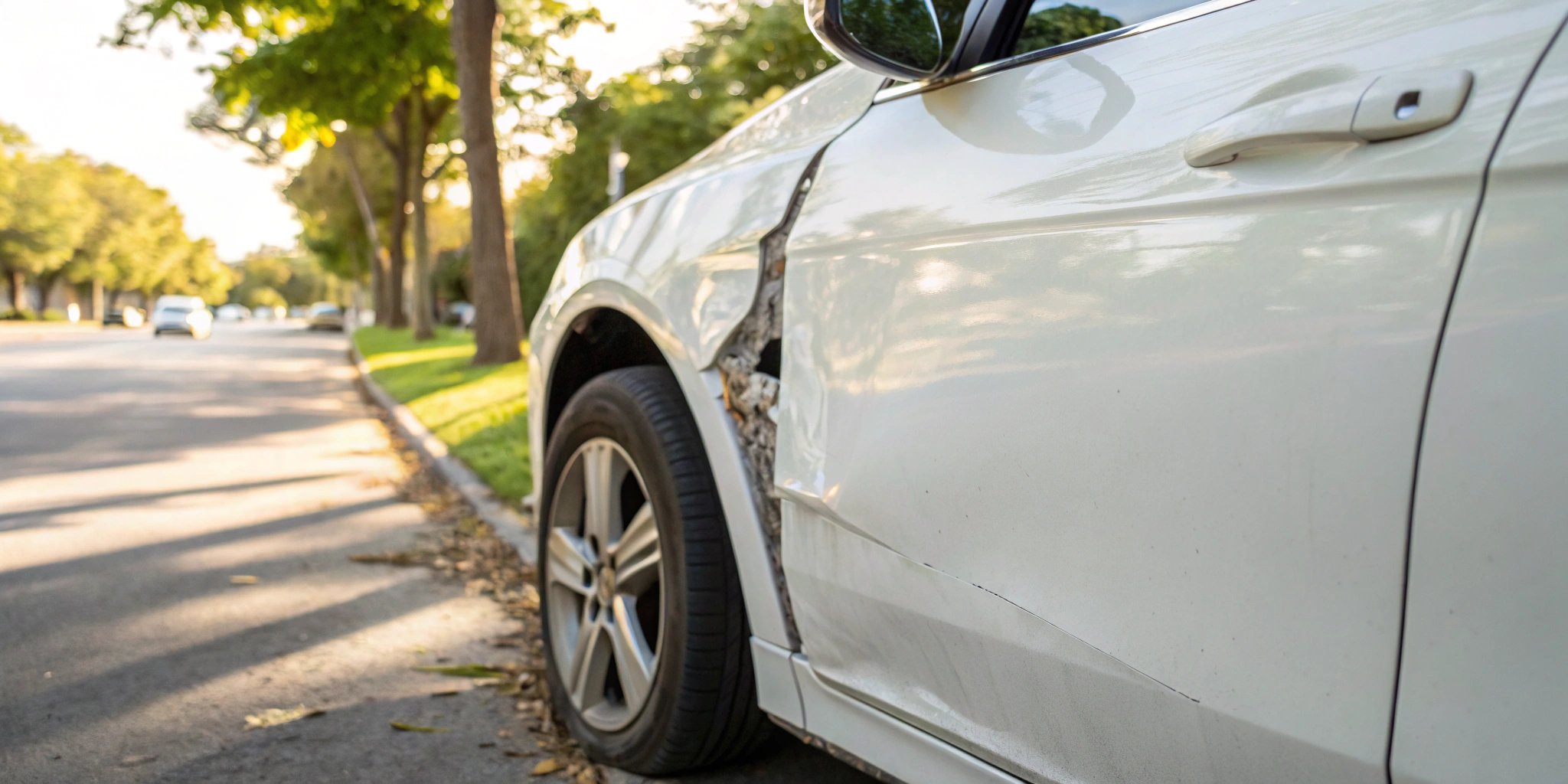

You followed all the rules after your accident. You reported it, took your car to a great body shop, and now it looks perfect. So why is it worth thousands less than it was before the crash? The simple answer is its new accident record. This loss in market value is a very real damage, and it’s called diminished value. Fighting to get paid for it can feel unfair, especially when the insurance company pushes back. But you have a right to be made whole again, and that includes being compensated for this loss. This article will show you how.
Key Takeaways
- Claim Compensation for Lost Value: Your car is worth less after an accident, even with perfect repairs. Georgia law requires insurers to compensate you for this “diminished value,” regardless of who was at fault.
- Build Your Case with a Professional Appraisal: Don’t rely on the insurer’s math. An independent appraisal is your strongest piece of evidence, providing an expert, unbiased calculation of your car’s true loss in value.
- Challenge the Insurer’s First Offer: Insurance companies almost always offer less than you deserve by using formulas designed to benefit them. Be ready to push back with your own evidence, and know that persistent lowballing is a sign you may need legal help.
What is Diminished Value?
Imagine your car gets into an accident. You take it to a top-notch body shop, and they do an amazing job—it looks just as good as it did before the crash. But even with perfect repairs, your car has lost something significant: its market value. This loss is what we call diminished value.
Think about it from a buyer’s perspective. If you were looking at two identical used cars, but one had a clean history and the other had a major accident on its record, which one would you pay more for? Most people would choose the one without the accident history, or at least expect a steep discount on the one that’s been in a wreck. That discount is the diminished value. It’s the financial hit your car takes simply because it now has an accident history attached to its VIN.
Even after the best possible repairs, the vehicle is no longer in its original, pre-accident condition. This permanent stigma affects its resale value, and you have a right to be compensated for that loss. Insurance companies often don’t volunteer this payment, but it’s a real, tangible loss that you’ve suffered. Understanding this concept is the first step toward recovering the full amount you’re owed after an accident.
The 3 Types of Diminished Value, Explained
When you hear the term “diminished value,” it might sound like a single, straightforward concept. In reality, it’s a bit more layered. Understanding the different types of diminished value is the first step in knowing what you’re entitled to after an accident. Think of it as breaking down the total loss in your car’s worth into specific categories. Each type addresses a different aspect of how an accident impacts your vehicle’s resale price, from the simple fact that it has an accident history to the actual quality of the repairs performed. Knowing which type applies to your situation helps you build a stronger case when you file your claim with the insurance company. Let’s walk through the three main categories you’ll encounter.
Inherent Diminished Value
This is the most common and often the most significant type of value loss. Inherent diminished value is the automatic drop in your car’s market price simply because it now has an accident on its record. Even if the repairs are flawless and the car looks and drives like new, its history will make it less attractive to future buyers. It’s a frustrating reality that a vehicle with a documented accident history is worth less than an identical one without. As noted by the Denning Law Firm, “Inherent diminished value is the most common type. This is the ‘stigma’ or bad reputation a car gets just because it was in an accident, even if it’s perfectly fixed.”
Repair-Related Diminished Value
This type of diminished value comes into play when the repairs themselves are subpar. If you can still see evidence of the damage—maybe the new paint doesn’t quite match the original, or a new panel isn’t perfectly aligned—your car has suffered repair-related diminished value. This loss is directly tied to the quality of the work performed. A potential buyer will notice these flaws and will not be willing to pay top dollar for a car that hasn’t been restored to its pre-accident condition. Our team can help you document these issues and fight for the compensation you deserve for shoddy repair work. According to the Denning Law Firm, “Repair-related diminished value occurs when repairs are poor or damage is still visible.”
Immediate Diminished Value
Immediate diminished value is the difference in your car’s value right after the accident, before any repairs have even started. It’s essentially a snapshot of the loss in that moment. This calculation compares the car’s resale value just before the collision to its value immediately after, in its damaged state. While this figure is most relevant before the car is fixed, it serves as the starting point for understanding the total financial impact of the accident. The Denning Law Firm explains, “Immediate diminished value refers to the drop in value right after an accident, before repairs are done.” If you’re dealing with the immediate aftermath of a crash, it’s a good time to get in touch to understand your rights.
How Diminished Value Impacts Your Insurance Claim
After a car accident, getting your vehicle repaired is usually the first priority. But even the best bodywork can’t erase the fact that the car has been in a wreck, and that accident history will lower its resale value. This loss is what’s known as diminished value, and it’s a very real part of your financial damages. Recovering this loss is a key part of making you whole again after an accident.
How you go about filing for diminished value depends on a few key factors, mainly who was at fault for the accident and the specific insurance laws in your state. The process isn’t always straightforward, as insurance companies are often reluctant to pay for this type of loss without a fight. Understanding your rights and what to expect is the first step toward a successful claim. At Gastley Law, we specialize in handling diminished value and property damage claims to ensure you get the full compensation you deserve. Let’s walk through how fault and Georgia’s specific laws affect your ability to get paid.
At-Fault vs. Not-at-Fault Accidents
The question of who caused the accident is the first thing an insurance company will look at. If another driver was at fault, the path to recovering your car’s diminished value is generally more direct. In this scenario, you would file a claim against the at-fault driver’s liability insurance. In nearly every state, their insurance company is responsible for paying not only for your repairs but also for the loss in your vehicle’s market value. This is called a third-party claim, because you are the “third party” making a claim against someone else’s policy. If you were the one at fault, you would need to file a first-party claim with your own insurance company, which can be more challenging depending on your state’s laws.
Understanding Georgia’s Laws and Your Coverage
Here’s some good news for Georgia residents: our state laws are very consumer-friendly when it comes to diminished value. Georgia is one of the few states that legally requires insurance companies to pay for diminished value, even on first-party claims (when you are at fault), as long as your policy includes collision coverage for the “actual loss or damage.” This means that whether you were hit by someone else or were responsible for the accident yourself, you have a right to claim diminished value.
However, just because the law is on your side doesn’t mean the insurance company will make it easy. Insurers often argue that high-quality repairs have fully restored the car’s value or that the damage wasn’t significant enough to warrant a payout. They have a playbook of tactics to deny or minimize your claim, so being prepared is essential.
How to Calculate Your Car’s Diminished Value
Figuring out exactly how much value your car has lost can feel like a guessing game, but there are established methods to get a solid number. Insurance companies have their preferred formulas, but those aren’t your only option. Understanding the different ways to calculate your car’s diminished value will prepare you for conversations with the adjuster and help you build a strong case for fair compensation.
The goal is to determine the difference between your car’s market value before the accident and its value after repairs. While the car might look as good as new, its accident history now permanently lowers its resale price. Let’s walk through the three most common methods used to put a dollar amount on that loss, so you know what to expect and how to advocate for yourself.
The Market Comparison Method
Think of this as the real-world approach. The market comparison method calculates your car’s lost value by looking at what similar vehicles are actually selling for. The process involves finding several cars for sale that are the same make, model, year, and condition as yours was before the accident. Then, you compare their asking prices to the new, lower value of your car with its recent accident history. To make this work, you’ll need to gather proof of your car’s pre-accident value, all your repair receipts, and a credible appraisal that clearly shows the drop in value. This method is powerful because it’s based on tangible market data, not an abstract formula.
The 17c Formula Approach
This is the method most insurance companies in Georgia use, so it’s one you absolutely need to know. The 17c formula starts by taking 10% of your car’s pre-accident value (often based on a source like Kelley Blue Book) as a baseline. This number is then reduced by two “modifiers”—one for the severity of the damage and another for the mileage on your car. While it sounds straightforward, this formula almost always works in the insurer’s favor, producing a lower payout for you. Because it applies a blanket cap and rigid adjustments, it often fails to capture the true market value your vehicle has lost. It’s a standardized system that can feel impersonal and unfair.
Using Professional Appraisals
If you want the most accurate and defensible calculation, your best bet is to get a professional appraisal. Hiring an independent, certified auto appraiser gives you a detailed report from an unbiased expert. They will thoroughly inspect your vehicle, review the repair work, and use their industry knowledge to determine exactly how much value it has lost. This isn’t just an estimate; it’s a credible piece of evidence that holds significant weight when negotiating with an insurance company. An expert appraisal shows the insurer you’re serious and provides a solid foundation for your claim. If you need help finding a reputable appraiser, our team can point you in the right direction when you contact us.
What Paperwork Do You Need to Prove Your Claim?
When you file a diminished value claim, you’re telling the insurance company that your car is worth less now, even after repairs. To get them to agree, you need to back it up with solid proof. Think of it like building a case—the more organized and thorough your evidence is, the stronger your position will be. Having the right documents on hand from the very beginning makes the entire process smoother and shows the insurer you mean business. It’s the first and most important step toward getting the full compensation you deserve for your diminished value.
Pre-Accident Vehicle Value Records
First things first, you have to establish what your car was worth moments before the accident. This is your baseline. To prove your claim, you’ll need proof of your car’s value before the incident happened. You can do this by gathering documents like the original bill of sale or recent vehicle valuation reports from trusted sources like Kelley Blue Book or NADAguides. It’s also helpful to find online listings for cars with similar mileage, features, and condition in your area. This collection of documents paints a clear picture of your car’s market value before it was damaged, creating a solid starting point for your claim.
Complete Repair Invoices and Reports
Every piece of paper from the repair process is a crucial piece of your evidence puzzle. Be sure to collect and keep all repair bills, the official police accident report, and detailed invoices from the body shop. These documents do more than just show how much the repairs cost; they detail the extent of the damage, from structural issues to cosmetic fixes. This paper trail proves that the vehicle has a history of significant repairs, which is the very reason its value has decreased. An itemized list of replaced parts and labor hours provides concrete evidence that the car is not the same as it was before the crash.
Professional Appraisals and Inspection Results
While your own research is important, a professional appraisal is often the most persuasive piece of evidence you can present. An independent, certified appraiser will conduct a thorough inspection and figure out exactly how much value your car lost due to the accident. This isn’t just a guess; it’s an expert opinion based on industry standards, market data, and the specific damages your car sustained. This formal report gives you a specific dollar amount to claim and shows the insurance company that your request is based on a professional assessment. If you need help finding a reputable appraiser, our team at Gastley Law can guide you through our legal services.
Your Step-by-Step Guide to Filing a Diminished Value Claim
Filing a diminished value claim can feel like a big undertaking, but you can handle it by breaking it down into a few clear steps. It’s all about being organized, persistent, and prepared. Think of it as telling the story of your car’s lost value, backed up by solid proof. From the first phone call to the final negotiation, having a plan will help you stay focused and confident. Let’s walk through exactly what you need to do to get the process started and see it through.
Making First Contact with the Insurance Company
Your first step is to notify the insurance company—either yours or the at-fault driver’s—that you intend to file a diminished value claim. When you call, be clear and direct. State that your vehicle has been repaired but has still suffered a loss in market value due to its accident history, and you are seeking compensation for that loss. It’s important to understand that whether diminished value is covered often depends on who caused the accident and Georgia’s specific laws. Be prepared for the adjuster to be unfamiliar with what diminished value is or to tell you they don’t cover it. Stay calm, state your intention, and ask them what their process is for submitting a claim.
Submitting Your Documents and Evidence
This is where you build your case. To successfully prove your claim, you need to provide the insurance company with a complete package of evidence. The goal is to leave no doubt that your car lost value and to show exactly how much. You’ll need to gather and submit several key documents, including proof of your car’s pre-accident value (like a bill of sale or vehicle condition report), detailed invoices for all repairs, and a professional diminished value appraisal. This report, from a credible and independent appraiser, is your most powerful tool. It provides an expert opinion on the exact amount of value your car has lost, giving the insurer a concrete number to work with.
Communicating Effectively with Insurers
Once you submit your claim, be ready for some pushback. Insurance adjusters are trained to minimize payouts, and they often argue that quality repairs have fully restored the vehicle’s value. They might also claim the damage wasn’t significant enough to warrant a diminished value payment. Don’t be discouraged. Respond to their points calmly and refer back to your evidence, especially your professional appraisal. If you feel the insurance company is not being fair, offering an unreasonably low amount, or using delay tactics, it might be time to get in touch with an attorney. A legal expert can take over the conversation and show the insurer you’re serious about getting the compensation you deserve.
Why Insurance Companies Deny Diminished Value Claims
It’s a frustrating but common scenario: you’ve done everything right after an accident, but the insurance company is pushing back on your diminished value claim. Why does this happen? The simple answer is that insurance companies are for-profit businesses, and their goal is to pay out as little as possible. A
This creates a significant power imbalance. You’re dealing with the stress of a damaged vehicle, while they have teams of adjusters and lawyers trained to protect the company’s interests. They’ve developed a playbook of reasons and tactics to wear you down, hoping you’ll accept a lowball offer or just give up entirely. Understanding their strategies is the first step in successfully countering them. Knowing what to expect can help you prepare your case more effectively and stand your ground. This is where having an experienced attorney handle your property damage claims can level the playing field, as they know exactly how to challenge these common roadblocks and fight for the full compensation you deserve.
Common Reasons for a Denial
Insurance adjusters have a list of go-to reasons for denying a diminished value claim. They might tell you that since your car was repaired, it’s been restored to its pre-accident condition and value, which simply isn’t true in the eyes of a future buyer. Another common excuse is that the damage wasn’t severe enough to warrant a diminished value payment, or that the loss in value is too small for them to consider. These are often just initial arguments designed to make you go away. A vehicle with an accident history is almost always worth less than one without, and you have the right to be compensated for that loss. Understanding the concept of diminished value is key to pushing back against these denials.
Tactics Insurers Use to Resist Paying
Beyond outright denials, insurers use specific tactics to reduce or avoid paying your claim. One of the most common is using the 17c Formula, a calculation method that almost always results in a lowball offer. It starts with your car’s book value, applies a 10% cap, and then uses arbitrary multipliers to reduce the amount even further. It’s a formula designed to benefit the insurer, not you. Some companies may also resort to intimidation, sending you complex legal paperwork or simply ignoring your calls and emails, hoping you’ll get frustrated and drop the claim. If you’re facing these kinds of delay tactics or unfair calculations, it’s a clear sign you should contact an attorney to take over the fight.
Prepare for These Common Roadblocks in the Claims Process
Filing a diminished value claim should be simple, but you’ll likely hit a few bumps along the way. Insurance companies are businesses, and their goal is to pay out as little as possible. Being prepared for their tactics is the best way to protect your interests and get the compensation you deserve.
Think of this process as building a case. The stronger your evidence and the more prepared you are for pushback, the better your chances of a fair outcome. The two biggest hurdles you’ll face are proving what your car was worth before the accident and pushing back against an insurer’s lowball settlement offer. It can feel frustrating, but knowing what to expect puts you in a much stronger position. Let’s walk through how to handle each of these challenges so you can feel confident in your claim.
Proving Your Car’s Pre-Accident Worth
The first thing the insurance company will question is the value of your car before the accident. It’s your job to show them exactly what it was worth. You can’t just say your car was in excellent condition; you have to prove it with documentation. Before you even file, start gathering evidence that paints a clear picture of your vehicle’s pre-accident state.
This includes maintenance records, receipts for any upgrades, pre-accident photos, and a bill of sale if you purchased it recently. This paperwork helps establish that you took great care of your vehicle, which supports a higher value. Having this information ready from the start shows the insurer you’re serious and organized, making it harder for them to dispute your diminished value calculation.
Overcoming Low Settlement Offers
Don’t be surprised when the insurance company’s first offer is disappointingly low. This is a standard tactic. They might claim the repairs restored your car to its original condition or that the damage wasn’t severe enough to cause a significant loss in value. They often make an initial determination that’s a fraction of what you’re actually owed, sometimes as little as 10% of the car’s pre-accident value.
Your job is to counter their offer with solid proof. Use trusted resources like Kelley Blue Book or NADA to establish a fair market value for your car before the crash. Present this alongside your professional appraisal and repair records. Challenging a low offer requires a firm, evidence-based approach, which is a core part of our services.
When Should You Hire a Diminished Value Attorney?
After a car accident, your focus is on getting your vehicle repaired and moving on. But when you start dealing with the insurance company, you might realize it’s not that simple. While you can file a diminished value claim on your own, there are moments when bringing in a professional is the best way to protect your interests. Insurance adjusters handle these claims every day; you don’t. They often have a playbook designed to pay out as little as possible.
Hiring an attorney levels the playing field. It signals to the insurer that you are serious about getting the full amount you’re owed. An experienced lawyer understands the evidence needed, the arguments that work, and the tactics insurers use to deny or lowball claims. Think of it as having an expert negotiator in your corner who can manage the complex paperwork and tough conversations, so you don’t have to. If you’re feeling stuck, overwhelmed, or that you’re not being treated fairly, it’s probably time to contact an attorney for guidance.
Signs It’s Time to Get Legal Help
It can be hard to know when to switch from handling a claim yourself to calling a lawyer. Watch out for these red flags from the insurance company. If you hear any of these arguments, it’s a strong sign you need legal help. The insurer might tell you that the repairs made your car “good as new,” so there’s no lost value to claim. They may also argue the damage wasn’t severe enough to warrant a diminished value payment or make a quick, lowball offer, hoping you’ll accept it and go away. Don’t let them brush you off. If you feel like the insurance company is not being fair, delaying the process, or simply ignoring you, it’s time to get an expert involved.
How an Attorney Maximizes Your Payout
An attorney does more than just send a letter on your behalf; they build a powerful, evidence-based case to prove your car’s loss in value. They start by gathering all the essential documents, including pre-accident value records, complete repair invoices, and the police report. Most importantly, they work with independent, professional appraisers to get an unbiased report detailing exactly how much value your car has lost. This expert appraisal is critical evidence that is much harder for an insurance company to dispute. By presenting a formal demand package backed by solid proof, an attorney shows the insurer you won’t back down. This professional approach is one of the key services we offer to ensure you get the maximum payout you deserve.
Related Articles
- Diminished Value Claims – Gastley Law Advocates
- Maximize Your Car Accident Diminished Value Settlement
Frequently Asked Questions
Can I still file a diminished value claim if the accident was my fault? Yes, you absolutely can. Georgia is one of the few states where the law is on your side in this situation. As long as you have collision coverage, your policy is meant to cover the “actual loss” to your vehicle, and that includes the drop in its market value. It doesn’t matter who was at fault. While the insurance company might not advertise this, you have the right to pursue compensation for your car’s lost value through your own policy.
How long do I have to file a diminished value claim in Georgia? In Georgia, you generally have four years from the date of the accident to file a property damage claim, which includes diminished value. While that might sound like a lot of time, it’s always best to start the process as soon as your vehicle repairs are complete. The sooner you file, the easier it is to gather fresh evidence, get an accurate appraisal, and show the insurance company you’re serious about your claim.
Is a professional appraisal really necessary if the insurance company just uses their own formula? Think of a professional appraisal as your most powerful piece of evidence. While the insurance company will likely start with their preferred method, like the 17c formula, that number is just their opening offer. An independent appraisal from a certified expert gives you a credible, market-based valuation to counter their lowball figure. It shows them you’ve done your homework and have an expert opinion to back up your claim, which significantly strengthens your negotiating position.
What if I still owe money on my car or it’s a lease? You can still file a diminished value claim even if you have a loan or a lease. The loss in value affects you directly, regardless of who holds the title. If you have a loan, a successful claim can help cover the gap between what you owe and what the car is now worth. For a lease, you could be responsible for that lost value at the end of your term, so recovering it now protects you from future expenses.
Will filing a diminished value claim raise my insurance rates? This is a common concern, but it shouldn’t stop you from filing. If the accident was not your fault, your insurance company cannot legally raise your rates for filing a claim against the at-fault driver’s policy. If you are filing a first-party claim (an at-fault accident), your rates may be affected by the accident itself, but the diminished value portion is simply part of the overall property damage claim you are already entitled to make.