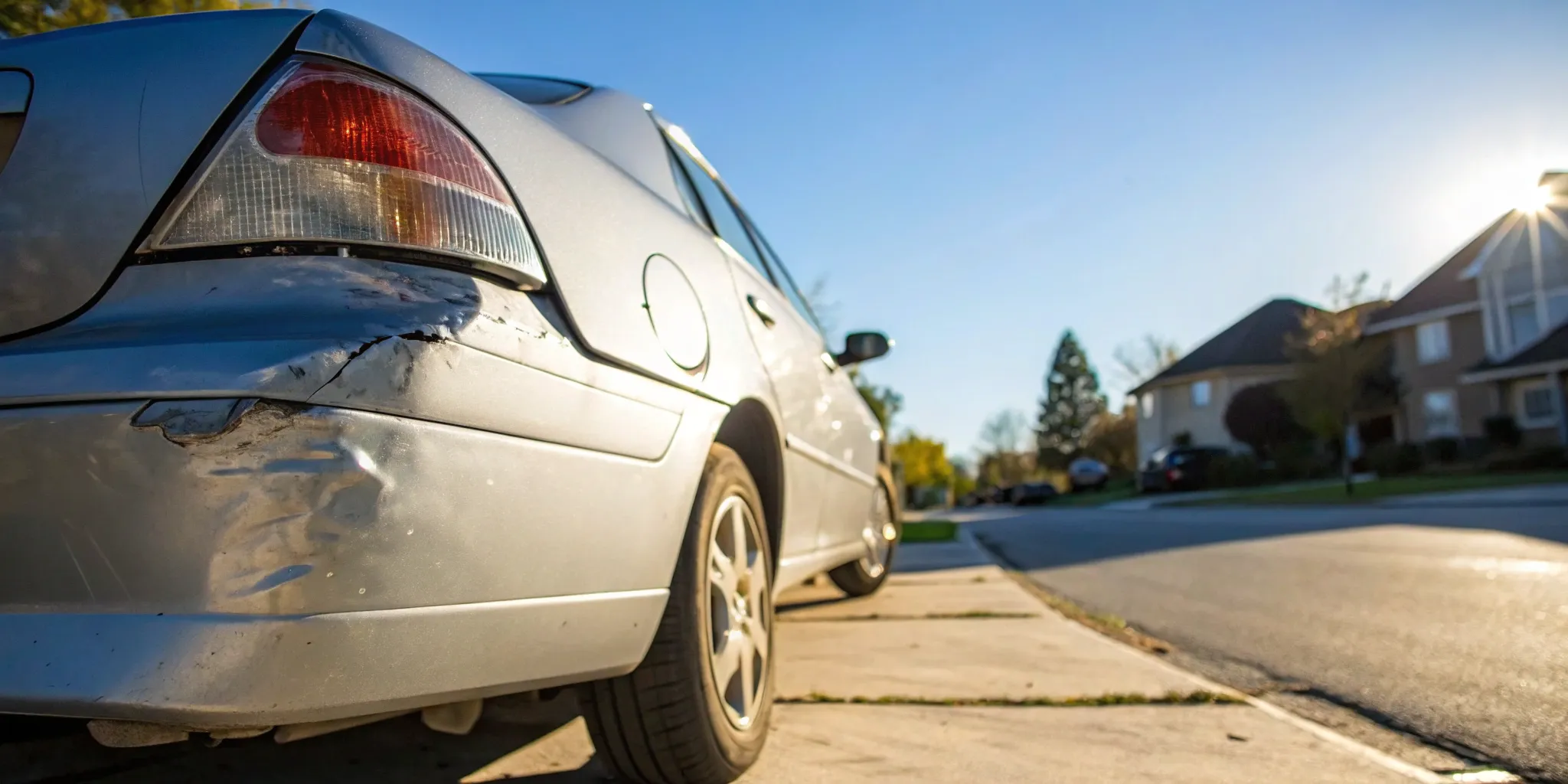

If you were shopping for a used car and found two identical models, but one had been in a major accident, you’d expect to pay less for it, right? That simple logic is the core of diminished value. It’s the real-world loss in your vehicle’s resale value after it has been damaged and repaired. The problem is, insurance companies won’t just accept this logic; they require official documentation. A diminished value appraisal translates that common-sense price difference into a formal, evidence-backed report. It gives you a specific, defensible number to take to the insurer, transforming your argument into a documented demand for fair compensation.
Key Takeaways
- Get an Independent Appraisal to Prove Your Loss: An insurance company’s offer is just their starting point. A professional appraisal report is your most powerful tool, providing objective evidence of your car’s diminished value to support your claim for fair compensation.
- Know What Impacts Your Vehicle’s Value: Your car’s make, model, age, and the severity of the accident—especially any frame damage—are the biggest factors in a diminished value claim. Keeping detailed records of high-quality repairs also helps strengthen your case.
- Don’t Accept the First Lowball Offer: Insurance adjusters are trained to minimize payouts, so their initial offer is rarely their best. Be ready to counter their assessment with your appraisal and documentation, and don’t hesitate to involve a lawyer if they refuse to negotiate fairly.
What is a Diminished Value Appraisal and Why Do You Need One?
After an accident, getting your car repaired is the first priority. But even when it looks as good as new, there’s an invisible loss that sticks around: its value. A car with an accident history is simply worth less, and that financial hit is known as diminished value. To recover that loss, you need solid proof. A
What is Diminished Value?
Think of it this way: if you were buying a used car and had two identical options, but one had been in a significant accident, you’d expect to pay less for it, right? That price difference is its diminished value. It’s the real-world loss in your vehicle’s resale value after it has been damaged and repaired. Even with the highest quality repairs, the simple fact that the car has an accident on its record makes it less appealing to informed buyers. This loss isn’t just theoretical; it’s a tangible financial hit you’ll take if you ever decide to sell or trade in your vehicle.
Why an Appraisal is Crucial for Your Claim
When you file a diminished value claim, the insurance company isn’t just going to take your word for how much value your car has lost. They need objective, credible evidence, and that’s exactly what a professional appraisal provides. An independent appraiser will conduct a thorough inspection, analyze market data, and produce a detailed report that substantiates your loss. This report becomes the cornerstone of your claim, transforming your argument from a simple request into a documented, evidence-backed demand. Without it, you’re leaving the valuation entirely in the hands of the insurance adjuster, who is motivated to pay out as little as possible.
Common Myths About Diminished Value, Debunked
One of the biggest myths is that the insurance company’s initial offer is fair or final. Insurers often present a lowball figure, hoping you’ll accept it without question. Another common point of confusion is who can file. In most cases, you can only claim diminished value from the other driver’s insurance company, and only if you were found to be 0% at fault for the accident. Believing you can’t pursue a claim or that the first offer is the best you’ll get can cost you thousands. It’s always worth investigating your options and understanding the facts before walking away from money you are owed.
Know Your Legal Rights in Georgia
Here in Georgia, insurance companies often use a “standard formula” to calculate diminished value. What they don’t always tell you is that this formula is not a state law. It’s simply their preferred method, and it frequently results in a lower payout for you. You have the right to challenge their assessment. By getting your own independent appraisal, you can present a counter-offer based on a more accurate and comprehensive evaluation of your vehicle’s lost value. If you’re feeling overwhelmed by the process, remember that you can always get in touch with a legal expert to help you understand your rights and build a strong case.
How the Diminished Value Appraisal Process Works
Figuring out a diminished value claim might seem complicated, but it really boils down to a few clear steps. The goal is to build a strong, evidence-based case that proves your car’s loss in value, and a professional appraisal is the cornerstone of that effort. Think of it as gathering the proof you need to get the full compensation you deserve from the insurance company. Let’s walk through what the process looks like from start to finish so you know exactly what to expect.
Step 1: Gather Your Vehicle’s Paperwork
Before you do anything else, your first move is to collect all the important documents related to your vehicle and the accident. This includes the final repair bill, photos of the damage before and after repairs, the police report, and your vehicle’s title and registration. Insurance companies rarely take your word for it; they want to see an official report that details your car’s lost value. Having all your paperwork organized and ready makes the entire process smoother for you and your appraiser. It’s the foundation you need to build a successful diminished value claim.
Step 2: The Professional Inspection
Next, you’ll need to hire a certified, independent appraiser to perform a detailed inspection of your car. This isn’t just a quick look-over. A professional appraiser will meticulously examine the quality of the repairs, check for any remaining structural issues, and review all the documents you’ve gathered. They are trained to spot things an average person might miss, ensuring every detail is accounted for. Their job is to create a comprehensive report that clearly explains how much value your car has lost due to its accident history. This expert report is your most powerful tool when negotiating with the insurance company.
Step 3: Analyzing Your Car’s Market Value
During the appraisal, the expert will analyze all the factors that determine your car’s fair market value. This includes its year, make, model, mileage, and overall condition before the accident. They will also consider any special features or packages your car has. The appraiser then compares your vehicle to similar ones on the market to establish a pre-accident value. From there, they calculate the post-repair value, factoring in the stigma that comes with an accident record. This detailed analysis provides a specific, defensible number for your diminished value claim, leaving little room for the insurer to argue.
What to Expect: A Timeline for Your Appraisal
Once your appraisal is complete and the claim is submitted, you’re probably wondering how long it will take to get paid. The timeline can vary quite a bit. Some insurance companies might process the claim in a few weeks, while others can drag the process out for months. It often depends on the insurer’s willingness to pay a fair amount without a fight. This is where patience and persistence pay off. Having an experienced attorney handle the communication can often speed things up and show the insurance company you mean business. If you have questions about your specific situation, don’t hesitate to contact us for guidance.
What Factors Lower Your Vehicle’s Value After an Accident?
When your car is in an accident, its value drops. This loss is called diminished value, and it happens even if your car is repaired to look and drive like new. The reason is simple: the accident is now part of the vehicle’s history report, and a car with an accident history is worth less to a potential buyer than the exact same car without one.
Several key factors determine exactly how much value your vehicle loses. It’s not a one-size-fits-all calculation. The type of car you drive, the severity of the damage, and even the quality of the repairs all play a significant role. Understanding these elements is the first step toward building a strong claim and recovering the money you’re rightfully owed. Insurance companies often have their own formulas that can result in a lowball offer, so it’s important to know what an independent appraiser will be looking at. This knowledge helps you challenge their initial assessment and fight for fair compensation.
Key Vehicle Details That Impact Your Claim
The specific details of your car—its make, model, year, and mileage—are the starting point for any diminished value calculation. A newer, high-end luxury vehicle will typically suffer a much larger drop in value than an older economy car with high mileage. Why? Because buyers in the luxury market expect a pristine vehicle with a clean history. Any blemish on that record, like an accident, is a major red flag that significantly reduces what they’re willing to pay. The pre-accident condition and Kelley Blue Book value also establish the baseline from which the value loss is measured.
How Accident Severity and Damage Type Play a Role
Not all accidents are created equal. A minor fender-bender that only requires cosmetic fixes will have a much smaller impact on your car’s value than a collision that causes structural damage. If the vehicle’s frame was bent or if the airbags deployed, the diminished value will be substantially higher. These types of severe damage create long-term concerns for potential buyers about the car’s safety and integrity, even after repairs. Insurance adjusters may try to downplay the severity, but any evidence of major repairs will drastically lower your car’s resale value, often by thousands of dollars.
Why Quality Repairs and Good Records Matter
While you can’t erase an accident from your car’s history, the quality of the repairs can influence the final diminished value amount. Using Original Equipment Manufacturer (OEM) parts instead of cheaper aftermarket alternatives can help preserve more of the vehicle’s value. It’s absolutely essential to keep meticulous records of everything. This includes the initial police report, detailed repair invoices listing every part and labor hour, and photos of the damage before and after the repairs. This documentation provides concrete proof of what happened and is critical for an appraiser to build your case and for our team to provide the best legal representation.
The Effect of Age, Mileage, and Market Trends
A car’s age and mileage are directly tied to its pre-accident market value, which is the foundation of a diminished value claim. Generally, a newer car with fewer miles will see a greater percentage of value lost compared to an older vehicle that has already depreciated. Market trends can also play a part. If your specific make and model is in high demand, the value loss might be slightly cushioned, but it won’t be eliminated. As a rule of thumb, diminished value often falls between 5% and 20% of your car’s fair market value right before the accident occurred.
How Much Does a Diminished Value Appraisal Cost?
After a car accident, the last thing you want is another bill. So, when you hear that you might need to pay for a diminished value appraisal, it’s fair to ask what it costs and if it’s truly necessary. Think of it not as an expense, but as an investment in getting the full compensation you deserve from the insurance company. A professional appraisal is the key piece of evidence you need to prove your car’s loss in value, and its cost is often a fraction of the money it helps you recover.
A Breakdown of Appraiser Fees
Hiring a certified appraiser for a diminished value claim typically costs between $350 and $700. The exact price can depend on a few factors, like your vehicle’s make and model, its overall condition, and the extent of the damage it sustained. A high-end luxury vehicle or a car with extensive, complex repairs might be on the higher end of that range. This fee covers the appraiser’s time to conduct a thorough inspection, research the market, and prepare a detailed, evidence-based report that will hold up against the insurance company’s scrutiny.
Where to Find Free Consultations
Before you commit to paying for a full appraisal, it’s smart to test the waters. Many reputable appraisers and law firms understand you need to weigh your options, which is why they often provide free initial estimates or consultations. This first step allows you to get a professional opinion on your situation and a general idea of your car’s diminished value without any upfront cost. It’s a no-risk way to gather information and decide if moving forward with a claim makes sense for you. You can contact us for a free case evaluation to understand your options.
Is the Cost Worth the Potential Payout?
It’s completely normal to wonder if the appraisal fee is worth the potential return. In most cases, the answer is a resounding yes. For many vehicles, especially those that are newer or have a higher market value, the loss in value after an accident can easily be several thousand dollars—sometimes even tens of thousands. When you compare a potential recovery of that size to the few hundred dollars you’ll spend on an appraisal, the value becomes clear. The appraisal is the tool that substantiates your claim for that larger amount, making it a small but crucial investment in getting a fair settlement.
When an Appraisal is a Smart Investment
An appraisal is always a smart move, but it becomes absolutely essential when you’re dealing with the at-fault driver’s insurance company. In Georgia, you can only file a diminished value claim against the other party’s insurer if they were 100% responsible for the accident. Insurance companies are notorious for lowballing these claims or denying them outright. A strong, professional appraisal report is your most powerful piece of evidence to counter their arguments. It shows them you have a credible, documented case, which is where our legal representation can make all the difference in your fight for fair compensation.
How to Choose the Right Diminished Value Appraiser
Finding the right appraiser is a critical step in building a strong diminished value claim. This is the person who will professionally assess your vehicle’s loss in value, and their report is the primary piece of evidence you’ll present to the insurance company. A thorough, credible appraisal can make all the difference between a lowball offer and getting the full compensation you deserve. But with so many options out there, how do you pick the best one for the job? It comes down to checking their qualifications, asking the right questions, and knowing what to look for.
Think of this as hiring a key player for your team. You want someone with the right experience and a solid track record. Taking the time to vet your appraiser carefully ensures the report they produce is accurate, detailed, and persuasive enough to stand up to the insurance company’s scrutiny. A strong appraisal report is your best tool for showing exactly what your car is worth and why you’re entitled to fair compensation.
Credentials and Certifications to Look For
First things first, you want an appraiser with legitimate credentials. Don’t just take someone’s word for it—look for official certifications and a state license. These qualifications show that the appraiser has met specific industry standards and has the expertise to accurately determine your car’s diminished value. A certified appraiser understands the specific methodologies required to create a report that will hold up under scrutiny from an insurance adjuster. This is the foundation of a credible and effective diminished value claim. Think of it as hiring any other professional; you want someone who has proven their skills and is recognized by their industry.
Smart Questions to Ask Before You Hire
Before you commit to an appraiser, have a conversation and ask a few key questions. Start by being very clear about why you need the appraisal and what you expect from their report. Ask them about their experience with your specific type of vehicle and with claims against the insurance company you’re dealing with. It’s also a great idea to ask for references from past customers. Hearing directly from others who have used their services can give you a much better sense of their professionalism, accuracy, and how easy they are to work with. A reputable appraiser will be happy to answer your questions and provide references.
Red Flags to Watch Out For
As you search for an appraiser, keep an eye out for a few red flags. Be cautious of anyone who guarantees a specific outcome or a certain dollar amount before they’ve even seen your vehicle or its repair records. A professional appraiser provides an objective assessment based on facts, not promises. Also, make sure you get a clear breakdown of their fees upfront. While the main cost is for the appraisal itself, some may charge extra for travel, rush services, or appraising high-end luxury cars. Understanding all potential costs from the beginning helps you avoid surprises later on.
How to Get the Best Value for Your Money
Getting the best value isn’t just about finding the lowest price; it’s about investing in a high-quality report that maximizes your claim. The most effective way to prove your car has lost value is to hire a certified appraiser who will meticulously review your vehicle’s repair documents and write a detailed, evidence-based report. This document is your power tool in negotiations. Appraisal costs can range from around $85 to $700, but a comprehensive report from a trusted expert is often worth the investment, as it can help you recover thousands more from the insurance company. If you’re unsure where to start, our team can help guide you through the process.
What to Do When the Insurance Company Pushes Back
It’s a frustrating but common part of the process: you’ve done everything right, but the insurance company comes back with a lowball offer or denies your claim outright. Don’t get discouraged. This is often just their opening move. Knowing what to expect and how to respond can make all the difference in getting the compensation you deserve. Let’s walk through how to handle the pushback and build a case they can’t ignore.
Common Insurance Tactics and How to Respond
Insurance adjusters are trained to minimize payouts. It’s not personal; it’s their business model. One of the most common tactics is offering a very small amount for your car’s diminished value, hoping you’ll accept it and move on. They might say your car didn’t lose much value or that their internal formula produced a specific, non-negotiable number.
Your best response is to stay calm and be prepared. Don’t accept the first offer, especially if it feels too low. Politely inform the adjuster that you disagree with their assessment and that you will be providing your own evidence to support your claim. This shows them you’re serious and won’t be easily dismissed. Remember, you don’t have to argue—you just have to present the facts.
The Documents You Need to Strengthen Your Case
When an insurance company pushes back, a strong paper trail is your best friend. The single most powerful tool you have is an independent, professional diminished value appraisal. While the insurer uses their own formulas, a report from a certified appraiser provides an unbiased, expert opinion on how much value your car actually lost. This isn’t just your opinion; it’s a documented assessment from a professional.
In addition to the appraisal, gather all other relevant documents. This includes the police report from the accident, detailed repair invoices from the body shop, and clear photos of the damage before and after repairs. The more evidence you have, the harder it is for the insurance company to justify its low offer. Your goal is to build a logical, evidence-based case that clearly shows the true financial loss.
Georgia’s Legal Deadlines You Can’t Miss
In Georgia, you have a limited window of time to file a claim for property damage. This is known as the statute of limitations, and it’s a hard deadline. For property damage claims, including diminished value, you have four years from the date of the accident to file a lawsuit if necessary.
While four years might sound like a long time, it’s a deadline you can’t afford to miss. If you wait too long, you could lose your right to pursue compensation altogether. It’s always best to start the claims process as soon as possible after the accident. This gives you plenty of time to gather documents and negotiate with the insurance company without the pressure of a looming deadline.
Knowing When It’s Time to Call a Lawyer
You can handle many diminished value claims on your own, but there are times when getting professional help is the smartest move. If your vehicle was high-value, sustained significant damage, or if the insurance company is simply refusing to negotiate in good faith, it might be time to call an attorney. An experienced lawyer understands the tactics insurers use and knows how to counter them effectively.
Hiring a firm that specializes in these types of property damage claims can take the stress and guesswork out of the process. They can handle the communication, present your case, and fight to make sure you receive the full amount you’re owed. If you feel stuck or overwhelmed, a consultation can help you understand your options and decide on the best path forward.
Related Articles
Frequently Asked Questions
Can I still file a diminished value claim if the accident was my fault? In Georgia, you can only file a diminished value claim against the at-fault driver’s insurance company. This means you must be found 0% responsible for the accident to be eligible. If you were at fault, your own insurance policy typically does not cover the diminished value of your vehicle, only the cost of repairs.
Is an appraisal really worth the cost for an older car with high mileage? This is a great question, and it really depends on the specific circumstances. While a newer, low-mileage car will see a larger drop in value, an older vehicle can still lose significant value, especially if it was in excellent condition before the accident. A free consultation can help you get a professional opinion on whether the potential payout justifies the cost of an appraisal for your specific car.
Why can’t I just use an online calculator to figure out my car’s diminished value? Online calculators can give you a rough estimate, but they aren’t a substitute for a professional appraisal. Insurance companies require a detailed, evidence-based report from a certified expert to take a claim seriously. An appraiser conducts a physical inspection and a thorough market analysis, creating a credible document that holds up during negotiations, which is something a generic online tool simply cannot provide.
Will the at-fault driver’s insurance company pay for my appraisal? Typically, you are responsible for paying the upfront cost of your independent appraisal. Think of it as an investment in building your case. The fee is a necessary expense to gather the evidence needed to prove your loss. While the cost isn’t usually reimbursed separately, it’s a small price to pay to recover the thousands of dollars you may be owed in your final settlement.
What happens if the insurance company just ignores my appraisal report? If an insurer refuses to negotiate fairly or dismisses your professional appraisal without a valid reason, it’s a clear sign that you may need to take a stronger stance. This is often the point where having legal representation becomes essential. An experienced attorney can step in, handle all communication, and show the insurance company that you are serious about receiving the full compensation you are legally owed.