
Georgia Hail Damage Vehicle Inspection Records
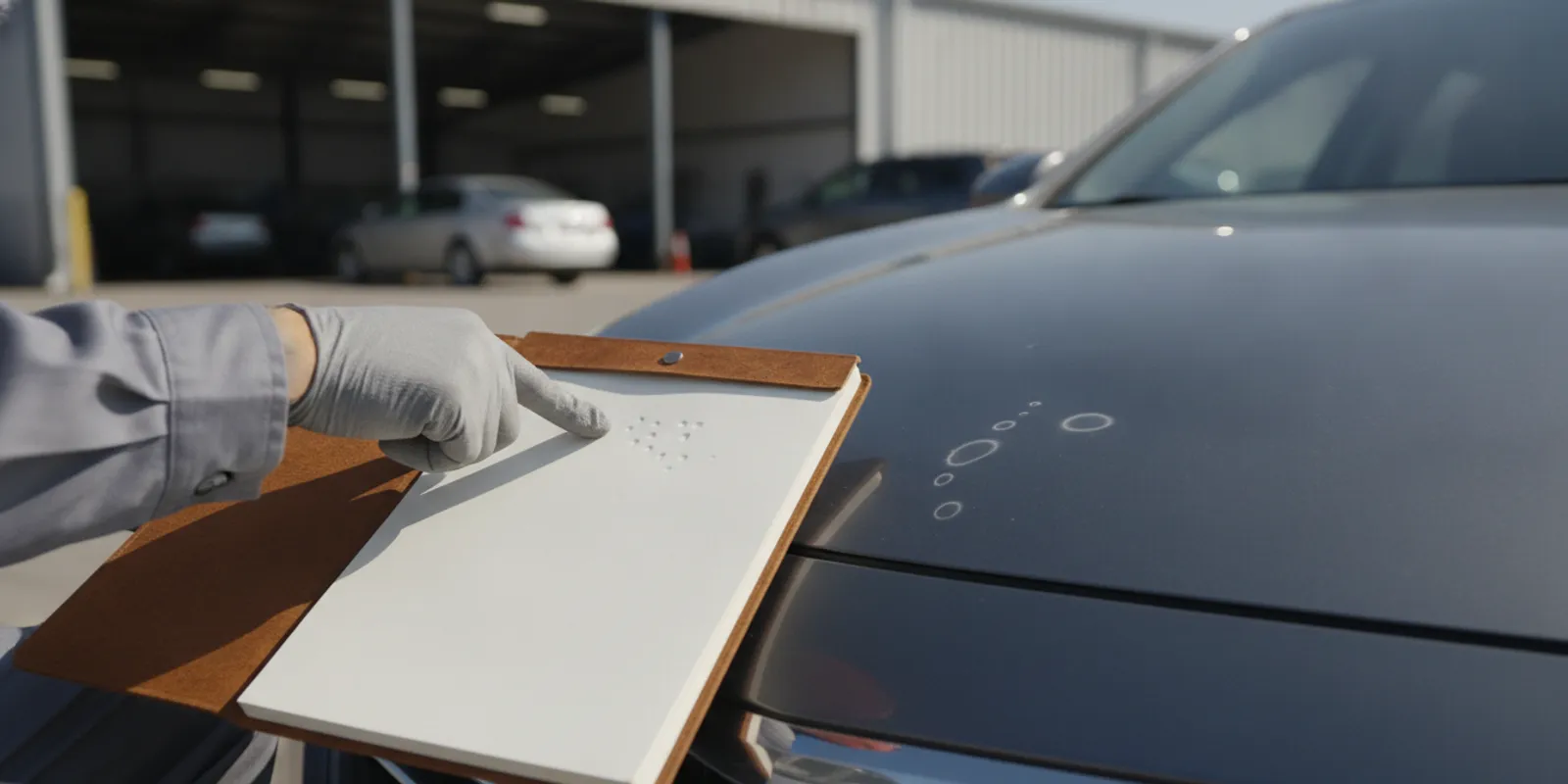
Georgia hail damage vehicle inspection records can help you explain what happened to your car, what repairs were recommended, and whether damage remains after the work. Keep the documents together from the first inspection through the final invoice. A clear file can make it easier to discuss a property damage claim and, when appropriate, a possible loss in resale value after repairs.
Request a free case evaluation with Gastley Law or call (770) 557-2838.
What should hail damage inspection records show?
Useful records tell a consistent story: when the vehicle was exposed to hail, what areas were damaged, how the damage was evaluated, and what work was completed. No single document has to prove everything. Photos, inspection notes, estimates, repair orders, and payment records each answer different questions.
Start a file even if the damage looks minor. Small dents may be difficult to see in some lighting, and an initial visual review may not settle the full scope or repair approach. Ask the repair facility or appraiser to identify the inspected panels and note any areas they could not assess. Preserve originals and make copies before sending anything to an insurer.
- Timing: dates of the hail event, first inspection, estimate, repair authorization, and completed work.
- Location: the vehicle’s location when the storm occurred and where it was inspected or repaired.
- Condition: the specific panels or components examined, visible dents, and any pre-existing damage noted.
- Scope: the proposed repair method, parts or labor involved, and any items omitted or marked for later review.
- Outcome: what was actually repaired, what was paid, and any remaining concern documented after the work.
Keep the file factual. If you are unsure whether a mark came from hail or predates the storm, do not label it as confirmed hail damage. Ask the inspector to describe what they observed and distinguish it from other condition issues. That distinction can prevent confusion later.
Which records should you collect before repairs?
Before authorizing repairs, save evidence of the vehicle’s condition and the insurer’s current understanding of the damage. The goal is not to delay necessary work. It is to preserve a usable record while the vehicle is available for examination.
Photographs and video
Take wide views of the whole vehicle and closer images of each visibly affected panel. Include the roof, hood, trunk, doors, and any other area with suspected damage. Photograph the same area from more than one angle, because shallow dents can disappear in flat light. Use natural or angled light when possible. Avoid filters or edits that change how the damage appears, and retain the original files with their dates and metadata.
Also photograph the vehicle identification number and odometer if practical, but protect personal information when sharing files. A short walk-around video can provide context, while still photos make individual dents easier to review. Keep a separate note recording when and where the images were taken.
Inspection notes and estimates
Request a written estimate or inspection report, not only a verbal summary. It should identify the vehicle and list the damaged areas, proposed operations, parts, labor, and any assumptions. If a repair facility uses paintless dent repair for some panels and conventional repair or replacement for others, ask that the planned approach be clear in the records. An estimate is a proposal, not proof that every listed item was completed.
Record who inspected the vehicle, the inspection date, and whether the inspection was visual or involved additional evaluation. Ask the writer to explain any excluded panel, unresolved question, or difference between their estimate and the insurer’s estimate. For more on how valuation documents can be assessed, see this guide to a diminished value appraisal in Georgia and the overview of how the insurance appraisal process works.
Insurer communications and claim documents
Save the claim number, adjuster contact details, estimates, inspection notices, repair approvals, and written explanations of decisions. Keep emails and letters in their original form. After a phone call, make a dated note of who you spoke with and what was discussed; if an important point is disputed, follow up in writing and ask the insurer to confirm its position.
Do not assume that an estimate or payment resolves every possible property damage question. Review what the document says it covers and whether it contains release language or other terms before signing. If you are unsure what a document means, ask for an explanation before agreeing. Gastley Law’s Georgia car property damage claim guide provides broader context for organizing a vehicle claim.
How do inspection records differ from repair records?
Inspection records describe what someone found or recommended. Repair records document what the shop did and charged. Both matter, and they should be compared rather than treated as interchangeable. A final invoice may show completed operations, but an earlier inspection can explain why those operations were proposed. If the scope changed, ask for the reason and save the revised paperwork.
| Record | What it can help establish | What to check |
|---|---|---|
| Photos and video | Visible condition at a particular time | Dates, angles, coverage of all affected panels, and unchanged originals |
| Inspection report | Areas examined and observations or limits | Inspector, date, vehicle details, and noted exclusions |
| Initial estimate | Proposed repair scope and projected charges | Line items, method, assumptions, and omitted damage |
| Supplement or revised estimate | A later change to the proposed scope | What changed, why, and who approved it |
| Repair order and final invoice | Work authorized and charges recorded as completed | Actual operations, parts, dates, and any unfinished items |
| Payment and claim correspondence | Amounts issued and the insurer’s written position | What the payment addresses and any conditions attached |
| Post-repair notes or new photos | A concern noticed after work or a condition needing explanation | When it was noticed and whether the shop or insurer was notified |
Use the table as a checklist, not as a guarantee that a particular document will establish coverage or a specific payment. Keep a copy of every version. If an estimate is updated, do not discard the earlier one: the difference can help explain how the claim developed.
How should you organize a hail claim file?
A simple, dated folder is often more useful than a large stack of unsorted papers. Use digital copies where possible, and keep paper originals in a safe place. Give each file a clear name, such as “2026-10-30 initial estimate” or “2026-11-05 final invoice.” Avoid editing the originals; if you need to mark up a copy for your own review, save it separately.
- Create a timeline. List the storm date if known, first discovery, inspection dates, insurer communications, repair authorization, repair dates, and payments. Mark estimates as received, revised, or accepted so their order is clear.
- Group documents by stage. Separate initial condition evidence, estimates, communications, repair records, and payment documents. Keep related emails alongside the estimate or decision they discuss.
- Track open questions. Write down missing records, unexplained estimate differences, and requests awaiting a response. Include the date you asked and how you sent the request.
- Make a concise summary. Note the vehicle, claim number, storm date, known damage areas, completed work, and the main unresolved question. Link or refer to supporting records rather than relying on memory.
- Back up the file. Store a second copy in a secure location. Before sending records, confirm the recipient and share only information relevant to the claim.
When asking for documents, be specific. For example: “Please send the dated inspection report and the estimate showing which roof and hood repairs were included.” A focused request is easier to answer than a general request for “everything.” Keep the response with the request.
What if the insurer’s inspection and your repair estimate differ?
First, compare the documents line by line. Identify the panel, operation, or amount that differs. Then ask the insurer or repair facility to explain the gap in writing. A disagreement may involve the extent of visible damage, the repair method, labor, a part, or an item that could not be evaluated during the initial inspection. Ask what additional documentation would address the specific issue.
Do not alter or discard a damaged part or authorize additional work based only on an assumption about coverage. If more damage is identified during repair, preserve the shop’s explanation, revised estimate, photographs, and any approval or denial. Ask how the insurer wants the information submitted. Keep notes of any deadlines stated in communications, and respond promptly.
For a structured approach to a disagreement, review Gastley Law’s guide to disputing a car insurance claim in Georgia. If the issue concerns a payment that appears too low, this guide to an insurance offer that may be too low explains practical questions to consider. The right next step depends on the documents, policy, claim circumstances, and applicable law.
Can hail repairs affect a diminished value claim?
Repairing hail damage and evaluating diminished value are related but different questions. Repair records show what work was done. A diminished value analysis considers whether the vehicle may have less market value because it has a damage and repair history. The effect is not automatic, and the records alone do not establish a particular amount or guarantee that a claim is available.
Keep the pre-repair photos and inspection documents with the completed repair records. An evaluator may need to understand the damage, repair scope, vehicle condition, and available history. Be candid about prior damage and repairs. The more clearly the file distinguishes earlier conditions from the hail event, the easier it is to review what the records do and do not support.
Learn the basics in Gastley Law’s ultimate guide to diminished value claims and its five-step guide to filing a loss of value claim. For questions about appraisal expenses, see what to expect from an insurance appraisal cost in Georgia. These materials provide general information; whether the facts support a particular claim depends on the individual case.
What Georgia-specific points should you keep in mind?
Keep the geographic facts clear: where the vehicle was when the hail damage occurred, where it is registered, and where the claim is being handled. Store any storm-related records you already have, such as dated communications or location information, without assuming that any one item proves the cause of every dent. If the insurer asks for further information, answer the specific request and retain a copy of your response.
Insurance and legal questions can turn on the policy wording, claim history, and applicable rules. The Georgia Office of Commissioner of Insurance is the state insurance regulator; its official website is a starting point for general insurance information and regulator resources. For legal guidance on a Georgia vehicle claim, you can also read about how a diminished value attorney may evaluate a claim. Do not wait to get advice if you are concerned about a deadline, release, or unresolved dispute.
Which records should you review before contacting a lawyer?
Before seeking help, gather the claim number, insurer’s estimate and decision letters, your inspection report, repair estimates, final invoice, photos, and a brief timeline. Note whether the vehicle has been repaired and what question remains. A complete file helps the reviewer understand the sequence without requiring you to reconstruct every detail from memory.
Gastley Law focuses on diminished value and property damage claims for Georgia vehicle owners. Its Georgia diminished value lawyer page describes the firm’s focus, and the case results page provides examples of matters handled. No result can be promised for another person’s claim; the documents and facts need individual review.
Request a free case evaluation with Gastley Law or call (770) 557-2838 today.
Frequently Asked Questions
Should I get an inspection before repairing hail damage?
Save dated photos and request a written inspection or estimate before repairs when practical, so the initial condition and proposed scope are recorded. Do not delay urgent or necessary work solely to create a file. Ask the insurer and repair facility how to document the damage and preserve relevant records.
What if I no longer have the first inspection report?
Ask the person or business that inspected the vehicle, the repair facility, and the insurer for copies of records they created or received. Save the request and response. You can still organize other evidence, including dated photos, later estimates, repair documents, and claim correspondence, while noting what is missing.
Do hail damage records prove diminished value?
They can help document damage and repairs, but they do not by themselves establish eligibility or a specific loss in value. A diminished value evaluation may require consideration of the vehicle, its history, the damage, repairs, and other relevant facts.
How long should I keep the records?
Keep the file while the claim or any related question remains unresolved, and retain important vehicle and repair records for future reference. Because applicable deadlines and retention needs can vary, seek case-specific guidance if you are unsure how long a particular document matters.
Clear records cannot guarantee a claim outcome, but they can help you explain the vehicle’s history and identify what remains uncertain. Keep the originals, organize copies by date, and ask for written answers to material questions.