
Sentry Insurance Diminished Value Claim Georgia: A Georgia Driver Guide
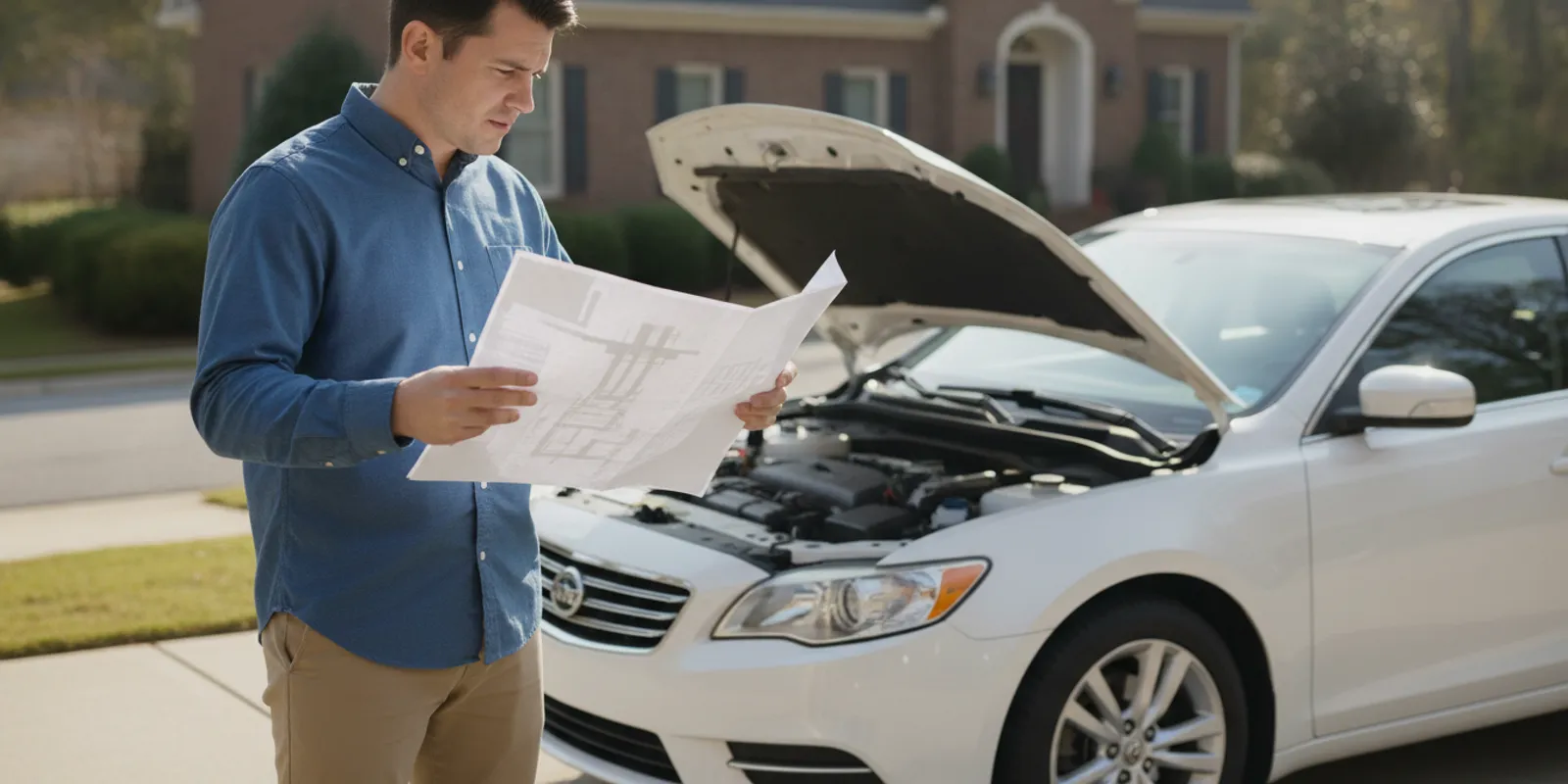
A Sentry Insurance diminished value claim Georgia vehicle owners consider asks whether a repaired vehicle may still be worth less because its accident history is known. The answer depends on the facts, the claim path, available coverage or liability basis, and evidence; a carrier name alone does not establish that a payment is owed or unavailable. The steps below focus on Georgia drivers with vehicle damage from the last six years.
Request a free case evaluation with Gastley Law or call (770) 557-2838.
What does a diminished value claim address?
Diminished value is a possible loss in market value that remains after a damaged vehicle has been repaired. A car may run and look properly repaired, yet a future buyer may consider its accident history when comparing it with a similar vehicle with no reported damage. The repair invoice measures work performed; a diminished-value request addresses a different question: whether the repaired vehicle is worth less in the market.
That question is fact-specific. Relevant considerations can include the vehicle’s age, mileage, trim, condition before the accident, extent and location of damage, repair quality, and the evidence used to estimate value. A generic percentage or formula cannot establish the amount for every vehicle. Start with a clear comparison of the vehicle’s pre-accident condition and its post-repair market position. Gastley Law’s diminished value guide and appraisal information explain related evaluation issues.
What should a Georgia driver verify about Sentry?
First establish which company and policy are actually handling the file. “Sentry” can be used as a group name, while a declarations page or claim letter may identify a particular underwriting company. Review the declarations page, claim acknowledgment, adjuster correspondence, and any coverage letter. Note the exact company name, policy number, claim number, assigned contact, and dates of communication.
Then clarify whether the request is being considered under your own policy or against another driver’s insurer. Those are different claim paths, and policy language and liability issues may differ. Ask the adjuster, in writing, to identify the applicable policy or claim basis, how to submit supporting material, and whether the insurer has a specific process for reviewing post-repair value. Do not infer the answer from a general company page or a name mentioned in a phone call.
The available public records in the source packet identify Sentry-related companies but do not describe a Georgia diminished-value procedure. For example, the California Department of Insurance company profile for Sentry Casualty Company is a company record, not a determination of Georgia coverage or of an individual claim. It is useful only for understanding why exact company identity matters; it cannot answer whether your claim qualifies.
How do first-party and third-party requests differ?
In a first-party situation, you are communicating with the insurer under a policy connected to you or your household. The policy’s terms, conditions, and procedures matter, so obtain and read the relevant language rather than relying only on a general statement about claims. Ask whether the insurer is addressing diminished value specifically, or whether its response concerns repairs, another kind of loss, or coverage position.
In a third-party situation, you are making a request to the other driver’s insurer. The question may involve responsibility for the accident as well as the claimed loss. Keep proof of the accident facts and the repair record, and ask whether the company has accepted or disputed responsibility. Do not treat an initial repair payment as a decision on every separate loss. A written explanation can help distinguish what has been evaluated from what remains open.
For more background on claim routes, see Gastley Law’s third-party insurance claim guide and physical damage coverage overview. These materials provide general context; the policy and specific correspondence control the details of an individual file.
Which records can help support a value evaluation?
Build a dated file that lets someone unfamiliar with the accident understand the vehicle before damage, the repairs, and the basis for your value estimate. Keep full copies, not isolated figures or cropped images. A useful checklist includes:
- Accident date, claim number, vehicle identification number, year, make, model, trim, mileage, and relevant equipment.
- Pre-accident photographs, maintenance records, service history, and records of any earlier damage or repairs.
- Damage photographs, repair estimate, supplements, final itemized invoice, parts information, and completion date.
- Inspection notes or repair documentation that explain which areas were repaired and what work was completed.
- Insurer valuation reports, written offers, requests for more information, and explanations of decisions.
- Comparable vehicle information, including listing date, mileage, trim, condition, location, and equipment.
Organization matters. Make a simple chronology with the accident, inspection, repair authorization, repair completion, each submission, and each response. Label files by date and type—for example, “repair invoice” or “market comparison”—and keep the original documents unchanged. If a record is missing, note what you requested and when. This makes it easier to answer follow-up questions without confusing a repair issue with a value issue.
When using comparable listings, record the full details and the date you captured them. A vehicle with a different trim, substantially different mileage, unusual condition, or different market location may not be a useful match. Explain why each comparison is relevant and note any differences rather than hiding them. The loss of value claim guide offers additional context on presenting a value request.
How can you make a useful valuation comparison?
A persuasive valuation explains its method, inputs, and limits. Begin with the vehicle’s pre-accident condition rather than assuming every vehicle of the same model has the same value. Compare the mileage and equipment, then account for the documented damage and repairs. Explain why the accident history could influence a buyer’s decision. If an appraisal or report relies on a formula, ask what facts support its assumptions and whether the result reflects this specific vehicle.
Review the insurer’s evaluation in the same disciplined way. Identify factual errors first: wrong trim, mileage, equipment, pre-existing damage, or repair information. Next look at the market evidence: are the comparisons genuinely similar, and are their dates and locations clear? Finally, check whether the explanation addresses post-repair market value or simply repeats the amount spent on repairs.
| Review point | What to compare | Practical response |
|---|---|---|
| Vehicle details | Year, trim, mileage, options, and pre-accident condition | Correct a specific error with a record or photograph |
| Repair record | Damage areas, parts, supplements, and completed work | Submit the final invoice and explain any important repair detail |
| Market evidence | Comparable vehicles, pricing date, condition, and location | Explain which comparisons fit and why dissimilar examples should be set aside |
| Scope of response | Whether the insurer addressed diminished value or a different issue | Ask for a separate written explanation of its value position |
| Claim basis | First-party policy or third-party liability route | Request the policy provision or claim basis relevant to the response |
Keep repair costs, rental or loss-of-use issues, and diminished value distinct in your submission. If you disagree with an amount, do not merely say it is too low. State the exact assumption you dispute, cite the document that corrects it, and show how the correction affects the comparison. Gastley Law’s appraisal guide and insurance appraisal process guide discuss appraisal concepts in other settings; an appraisal clause should not be assumed to resolve every type of value dispute.
How should you present a request to Sentry?
Use the contact channel and submission instructions on your claim correspondence. Send a concise letter or email and retain a copy with the delivery record. The request should be easy to route and should separate established facts from your estimate. A practical sequence is:
- Identify the policyholder or claimant, vehicle, accident date, claim number, and your relationship to the claim.
- State that you are asking for an evaluation of possible post-repair diminished value, without presenting an unsupported number as certain.
- Summarize the damage and completed repairs, then attach the relevant estimates, final invoice, and photographs.
- Include your valuation report or market comparisons, with dates, vehicle details, and an explanation of the method.
- Ask the insurer to identify any missing documents, explain its assumptions, and provide its position in writing.
- Save the response and keep a dated call log; follow up on a specific unanswered question rather than resending the entire file without explanation.
For example, if the adjuster’s report lists the wrong mileage, point to the repair intake record or dated photograph showing the odometer and request a corrected evaluation. If the report uses a vehicle with a different trim, identify the mismatch and provide a more comparable listing if available. If the response concerns only the repair invoice, ask whether the separate post-repair value request has been reviewed. Clear, narrow questions are easier to answer than a broad demand that does not identify the disagreement.
Remain factual and disclose known prior damage or other condition issues that could affect a comparison. Avoid presenting a listing price as a completed sale or an estimate as a guaranteed market value. For broader context, review Gastley Law’s Georgia property damage claim guide and guide to disputing a car insurance claim.
What if the insurer disagrees, delays, or gives no explanation?
Start by identifying what is actually happening. A request for additional records is different from a final valuation, and a coverage question is different from a disagreement about the amount. Ask whether the file is still under review, what specific material is needed, and when you can expect a response. Keep the question and answer in writing where possible.
If the insurer gives a number you believe is unsupported, compare its stated assumptions against the documents you have. If it has not addressed your evidence, ask which part was considered and why it did not change the evaluation. If the issue is policy wording, obtain the relevant provision and read the surrounding text. If responsibility is disputed, keep that issue separate from the market-value analysis so neither question gets obscured.
A complaint to an insurance regulator, an appraisal process, negotiation, and a legal claim are not interchangeable. The appropriate route depends on the issue, the policy or liability posture, and the facts. A complaint does not itself prove the vehicle’s loss in value. If the dispute remains significant, deadlines are approaching, or the insurer’s position is unclear, seek Georgia-specific legal guidance before making a decision that could affect your rights. The Georgia diminished value law guide and settlement offer guide provide further background but are not a substitute for advice on your file.
What mistakes can weaken a Georgia request?
Small inconsistencies can make a sound request harder to evaluate. Before sending anything, check the vehicle details across the claim form, repair invoice, and valuation report. Confirm the mileage, trim, accident date, and repair completion date match. If one source is wrong, explain the discrepancy and identify the more reliable record.
- Using only a repair bill: repair spending describes the work, not necessarily the vehicle’s remaining market-value difference.
- Relying only on a generic formula: show how the estimate relates to the actual vehicle and documented damage.
- Sending incomplete comparisons: include enough detail to evaluate mileage, trim, condition, date, and location.
- Combining unrelated losses: identify diminished value separately from repairs, towing, rental, or loss-of-use issues.
- Making unsupported accusations: address the insurer’s method or evidence with a specific correction instead of assuming intent.
- Waiting without tracking dates: retain a timeline of submissions and responses and seek advice promptly if a deadline may matter.
One practical method is to prepare a one-page cover note listing each attachment and the question it answers. For instance, label an odometer photo as evidence of mileage, the invoice as proof of completed repairs, and a comparison sheet as market evidence. That simple index helps the reviewer see how the materials connect to your request and helps you identify what remains unresolved.
Which step fits your file?
The next step should match the problem, not just the size of an initial offer. A complete file with an understandable explanation may need only a focused follow-up. A file with missing repairs records needs documentation first. A dispute about market assumptions calls for relevant evidence, while an unclear policy path calls for written clarification of the applicable terms.
- Documentation gap: obtain invoices, photographs, vehicle specifications, or prior-condition records before arguing about an amount.
- Valuation disagreement: identify the precise comparison or assumption at issue and support a correction with evidence.
- Unclear claim route: ask whether the insurer is handling a first-party or third-party matter and request the relevant basis.
- Unresolved material dispute: consider a Georgia-specific review before accepting a position or allowing a potentially important deadline to pass.
Gastley Law focuses on diminished value and property damage claims for Georgia vehicle owners. Its services page and diminished value attorney information provide more detail. Whether a claim can be pursued and what evidence matters depend on the individual facts; no result should be assumed in advance.
Request a free case evaluation with Gastley Law or call (770) 557-2838 today.
Frequently Asked Questions
Does Sentry automatically pay diminished value in Georgia?
No. The available information here does not establish an automatic payment rule or a blanket denial. Ask the insurer for its written position and evaluate the applicable claim basis and evidence.
Can I request diminished value after repairs are complete?
You can ask the insurer to evaluate whether a loss in market value remains after repairs. Provide the final repair documents and evidence addressing the vehicle’s pre-accident condition and relevant market comparisons.
What should I do if Sentry’s valuation seems too low?
Request the assumptions and compare them with your vehicle’s correct details and relevant market evidence. Identify concrete errors or omissions, then attach records that support each correction.
Does an appraisal guarantee payment?
No. An appraisal may provide evidence about value, but its effect depends on the dispute, applicable terms, and circumstances. Review the relevant policy language and obtain advice if you are unsure.
Can Gastley Law help with a Sentry claim outside Georgia?
Gastley Law’s work is focused on Georgia vehicle owners and Georgia matters. Drivers elsewhere should consult an attorney licensed in their state or an appropriate local referral resource.
A careful chronology, complete repair file, and specific value comparison can help you understand the insurer’s position and choose a sensible next step for your Georgia claim.