
Georgia Casualty Diminished Value Claim: A Georgia Driver Guide
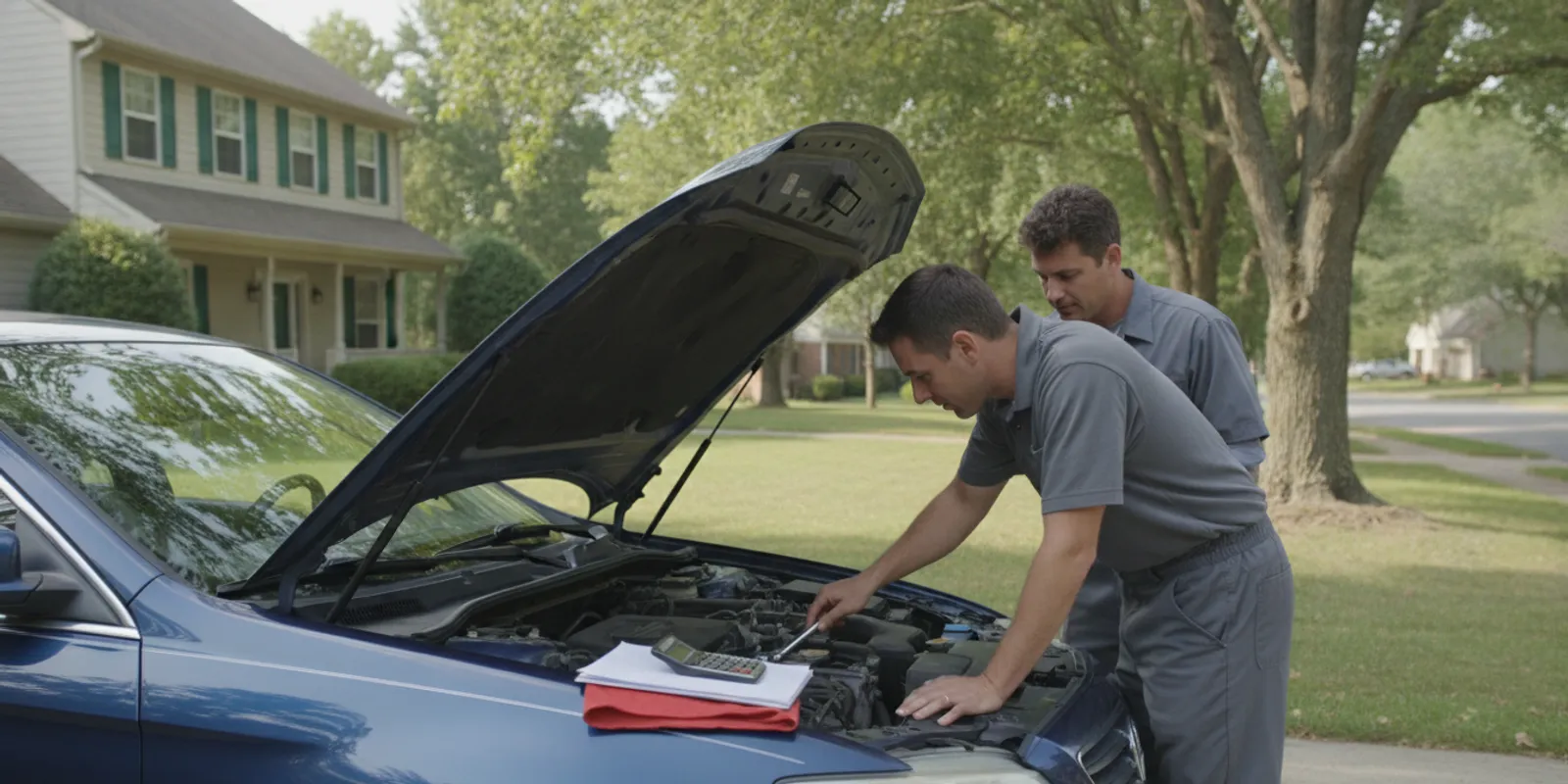
A repaired vehicle can look good and still be worth less to a future buyer because its history includes a collision. If you are considering a Georgia Casualty diminished value claim, treat it as a separate vehicle-value question, not simply a request to pay the repair invoice. The practical goal is to preserve the facts, understand what the insurer has evaluated, and present a reasoned request without assuming that every accident produces the same result.
Request a free case evaluation with Gastley Law or call (770) 557-2838 today.
What does a Georgia Casualty diminished value claim address?
Diminished value is the possible difference between what a vehicle could reasonably have been worth before a collision and what it may be worth after the collision and repairs. The issue is not limited to visible defects. A buyer may consider the vehicle history, severity of impact, quality and extent of repairs, and whether structural, safety, or major component work appears in the records.
This question differs from repair cost. A repair payment addresses work needed to restore the vehicle as closely as possible to its pre-loss condition. A diminished-value request addresses a possible market-value loss that remains after the work is complete. Towing, storage, rental use, a deductible, or a total-loss valuation can involve different evidence. Label those matters separately rather than combining them into one unexplained amount.
No single percentage or calculator answers every claim. The vehicle’s year, mileage, trim, options, pre-loss condition, prior history, repair scope, and local market can all affect the analysis. Start with vehicle-specific records rather than a promise that a particular formula applies. Keep the question narrow: did the collision history change this vehicle’s market value, and what evidence supports the amount?
What should a Georgia driver confirm before contacting Georgia Casualty?
Separate known facts from assumptions. Gather the accident date, claim number, policy or coverage information available to you, and names of people or businesses involved in inspection, repair, and appraisal. Keep copies of estimates, supplements, invoices, photographs, inspection notes, and messages. A dated timeline can clarify when the loss occurred, when the vehicle was inspected, when repairs started and ended, when it was returned, and when payment was discussed.
- Identify the vehicle: Record year, make, model, trim, mileage, options, title information, and pre-accident condition.
- Document damage: Save photographs from the scene, inspection, repair process, and completed vehicle.
- Document repairs: Keep the final repair order, supplements, parts information, alignment or calibration records, and receipts.
- Preserve history: Save collision reports and vehicle-history information when available, checking entries for accuracy.
- Track communications: Keep letters, emails, portal messages, offers, and explanations together.
- Record use and condition: Note mileage at inspection and delivery and any unresolved concern without treating an unverified defect as fact.
Gastley Law’s Georgia diminished value claim information can help frame the issue. Its Georgia car accident claim checklist can help keep property-damage records together.
How can you distinguish the insurer’s claim process from the value question?
An insurance claim may involve notice of the collision, an inspection, repair estimates, coverage review, and payment discussions. Those steps do not necessarily answer whether the repaired vehicle has lost market value. A repair estimate, the amount paid for repairs, or a general book value is not automatically a complete diminished-value analysis.
When communicating with Georgia Casualty, ask what part of the loss the insurer is evaluating. If its response addresses only repair cost, state clearly that you are asking about post-repair market value. Request the position in writing, including any reasons for accepting, adjusting, or declining the request. Use the claim number and current contact instructions in your policy or correspondence; do not assume an old phone number or form is current.
For general consumer insurance information and current regulator resources, consult the Georgia Office of the Commissioner of Insurance and Safety Fire. That government resource does not decide the value of a particular vehicle or guarantee a claim outcome. A representative’s request for documents, offer, or statement that a file needs review describes status, not necessarily the vehicle’s final value or every legal issue.
This article does not state that Georgia Casualty guarantees or denies diminished-value coverage. The applicable policy, facts, claim posture, and Georgia law must be reviewed before drawing that conclusion.
What evidence can support a Georgia Casualty diminished value claim?
A useful package connects the accident to the repaired vehicle and explains why the market may treat it differently. A short demand with one unsupported dollar figure is difficult to evaluate. A clear package lets the reviewer follow the reasoning from starting condition to requested amount.
| Evidence | What it can show | How to use it |
|---|---|---|
| Before-loss records | Condition, mileage, options, prior maintenance | Describe the starting point and identify pre-existing damage. |
| Collision and repair records | What happened and what work was performed | Match damage to final repair scope, supplements, parts, and calibrations. |
| Photographs | Severity and visible condition | Label images by date and explain what each shows. |
| Market comparisons | How similar vehicles are priced or described | Compare year, trim, mileage, location, and history; do not rely only on highest listings. |
| Independent appraisal | A reasoned estimate of value impact | Provide methodology and assumptions, then address material differences. |
Comparisons need context. A listing price is not automatically a completed sale, and a different trim or mileage can materially change the comparison. Explain why each example is similar and whether it has a reported accident. If an appraisal uses a formula, identify its inputs and ask whether they fit this vehicle and market. See the firm’s diminished value appraisal guide and ACV appraisal guide for related background.
How should you build a useful valuation comparison?
Describe the vehicle before the collision: mileage, trim, options, maintenance history, condition, and earlier damage that could affect value. Then identify completed repairs. A reviewer should be able to distinguish the current accident’s claimed effect from a condition that existed beforehand.
Collect several reasonably comparable vehicles. Keep year, model, trim, mileage range, equipment, geographic market, and selling condition close. Record each source, date, asking price, mileage, and accident-history information. If a comparison differs materially, explain that rather than treating it as equal.
For example, imagine a late-model sedan with documented clean pre-loss condition and moderate mileage. Its repair file shows replacement and refinishing work, supplements, and a history entry after the collision. A useful comparison set could include similar sedans with comparable mileage and no reported accident, alongside similar vehicles with an accident history. Explain the price gap and adjust for trim, mileage, and condition. Do not select the largest difference and call it the answer.
Market evidence is imperfect. Listings may have incomplete history, may not reflect completed sales, or may include equipment your vehicle lacks. Note those limits, separate stronger comparisons from weaker ones, and avoid claiming more precision than the records support. Actual cash value and diminished value are related subjects but not automatically the same calculation; the ACV appraisal guide gives related context.
How should you calculate and present the requested amount?
State the estimated pre-loss value and its source. Then state the estimated post-repair value and the evidence showing why accident history may affect the market. The difference is the claimed loss. If using an appraisal, attach it and identify assumptions that could change the result.
Organize a demand package so the reviewer can verify each point:
- Identify the owner, vehicle, accident date, claim number, and issue presented.
- Summarize pre-loss condition and explain any prior damage.
- Describe the collision and attach repair, photograph, and history records.
- Explain market comparisons or appraisal method, including limitations.
- State the requested amount and the evidence supporting it.
- Ask for a written response and identify a suitable follow-up method.
A request might explain that the vehicle had documented clean condition before the collision, identify completed repairs and a resulting history entry, and compare similar vehicles by year, trim, mileage, and location. Explain why the comparisons are not exact. The goal is to show how the requested amount follows from identifiable evidence, not to make uncertainty disappear.
Keep unrelated costs separate. If repair charges, a deductible, rental expense, or total-loss dispute is also involved, label each issue. A decision-maker can evaluate separate questions more easily than one amount combining them. If the insurer proposes a different figure, ask for the assumptions and evidence behind it.
What should you do if Georgia Casualty questions the claim?
A request for missing documents differs from a position that the vehicle has no post-repair loss. Read the response carefully, answer factual questions with records, and ask for a written explanation if it is unclear. Keep originals and submit copies where possible.
- Compare the response with your timeline, repair file, and appraisal.
- List disputed assumptions, such as mileage, trim, prior condition, repair scope, or comparable vehicles.
- Correct factual errors with concise supporting documents.
- Explain the amount again, using a separate section for each major point.
- Keep proof of delivery and a complete copy of everything submitted.
If an offer is lower than your analysis, the firm’s guide to reviewing a low insurance offer and claim dispute guide may help organize questions. Respond to the actual reason: if mileage is disputed, provide the correct record; if pre-existing condition is raised, point to earlier photographs or service records; if the method is questioned, identify the input or comparison you believe is incomplete.
What claim deadlines and documents should a Georgia owner consider?
Preserve evidence promptly. A vehicle may be sold, repaired again, traded, or altered; emails can be hard to locate, and memories of its earlier condition fade. Save the policy, declarations page if available, claim number, incident report, estimates, final invoice, photographs, title or registration records, vehicle-history entries, appraisal, insurer correspondence, and any release or settlement document. Keep electronic files in original format where possible and make a simple index.
Gastley Law’s customer guidance identifies vehicles damaged within the last six years as part of its target audience. That is not a deadline for every claim. Deadlines may depend on the parties, policy, claim type, and applicable law. Obtain advice about the particular loss rather than assuming the audience description controls a legal time limit.
Before signing a release, check what claims or payment categories it addresses. Broad language can cover more than the conversation focused on. Do not assume that accepting repair payment resolves the separate diminished-value issue. If the language is unclear, obtain advice before signing or returning it.
When should a Georgia driver seek legal help?
Consider a case review when repairs are complete but the value issue remains unresolved, an offer is low or unexplained, damage or repair history is disputed, or the available records do not clearly support the claim. Documents and vehicle condition are easier to assess when preserved early.
Gastley Law focuses on diminished value and property damage claims for Georgia vehicle owners. Its process can include reviewing repair documentation, evaluating the claim, addressing an insurance offer, obtaining an independent appraisal when appropriate, and pursuing resolution through negotiation, an appraisal clause, or litigation. Whether that approach fits a particular Georgia Casualty matter depends on its facts and documents. Learn more through the firm’s Georgia property-damage services, loss of value claim guide, and guide to diminished value claims.
For Georgia-focused help with a vehicle damaged within the relevant period, organize the claim number, repair file, photographs, and any insurer response before asking about a review. The firm’s case results page provides additional information about the firm’s work; past matters do not predict an outcome in another case.
Request a free case evaluation with Gastley Law or call (770) 557-2838 today.
Frequently Asked Questions
Is every repaired vehicle eligible for diminished value?
No. A repair alone does not establish a particular amount. Condition, accident history, repairs, market, and evidence matter, so evaluate the facts rather than assuming an accident guarantees value loss.
Can I use the repair bill as proof of diminished value?
A repair bill helps show what work was performed, but it addresses repair cost rather than post-repair market value. Pair it with photographs, vehicle information, comparable evidence, and a reasoned appraisal when appropriate.
Should I accept a Georgia Casualty payment before evaluating value loss?
Review payment communications and any release carefully. Determine which part of the claim the payment addresses and whether the document affects other issues. Obtain advice if uncertain before signing a release or final settlement.
Does this guide confirm Georgia Casualty’s current claim procedures?
No. Claim channels and instructions can change. Use current policy and claim correspondence, and ask the insurer for its position in writing. This article does not promise coverage or a particular outcome.
How long do I have to pursue a claim?
There is no single answer for every Georgia vehicle claim. The period can depend on claim type, parties, policy, and law. Preserve records promptly and seek advice about the specific loss instead of relying on a general estimate.
A well-supported Georgia Casualty diminished value claim explains the vehicle’s pre-loss condition, completed repairs, likely market impact, and evidence behind the requested amount, giving a Georgia driver a clearer basis for the next conversation.