
Mendota Insurance Diminished Value Claim Georgia: A Georgia Driver Guide
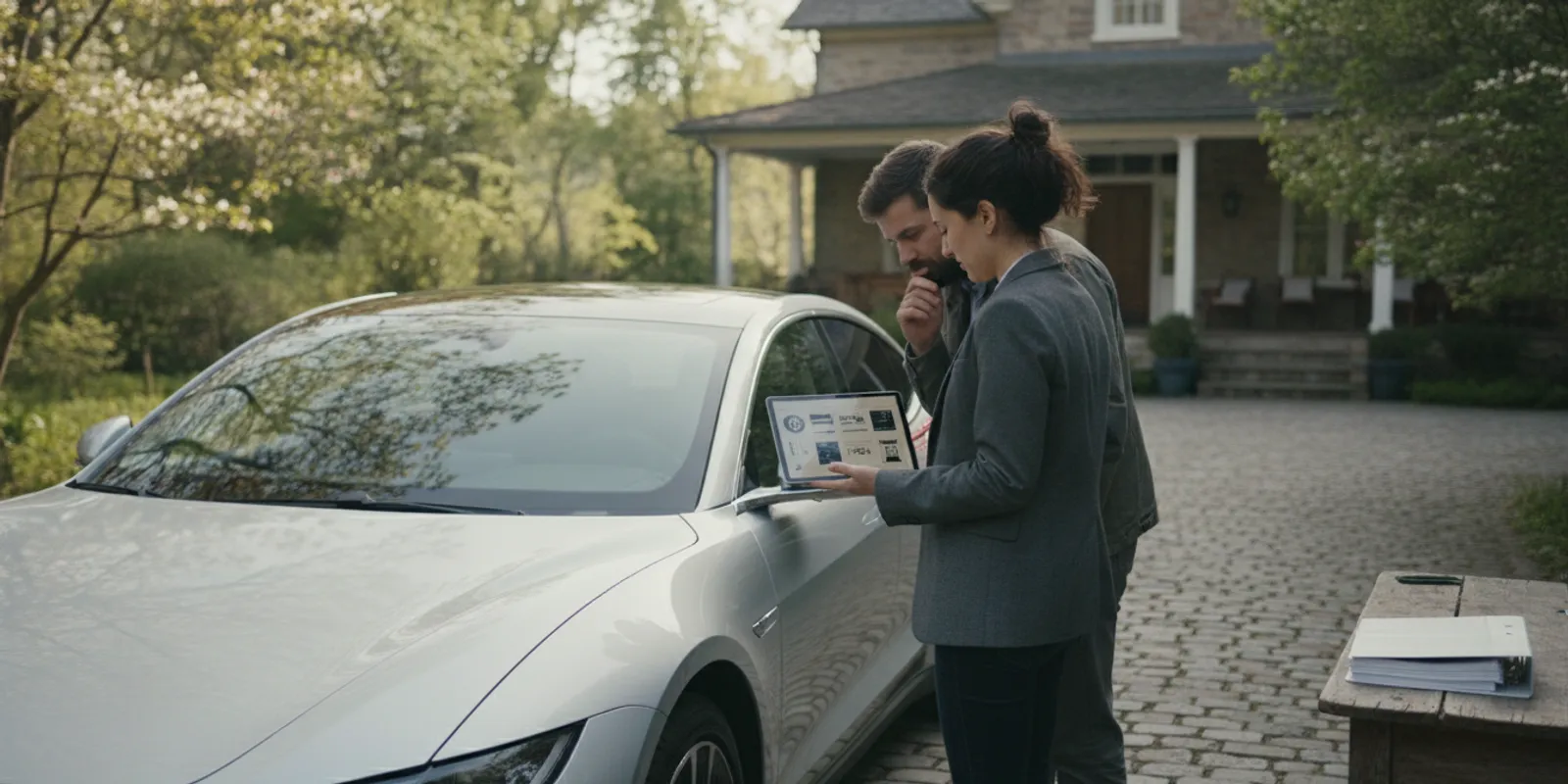
If your vehicle was damaged in a Georgia crash involving Mendota Insurance, a completed repair may not restore what the car would have been worth before the accident. A Mendota Insurance diminished value claim Georgia drivers may consider is a request for the measurable loss in resale value that remains after repair. The right approach depends on whose policy is involved, the facts of the accident, and the evidence supporting the loss.
Request a free case evaluation with Gastley Law, or call (770) 557-2838.
What does diminished value mean after a crash?
Diminished value is the difference between a vehicle’s market value immediately before an accident and its market value after repairs. It is separate from the repair bill. A shop can restore the vehicle’s appearance and function, yet a future buyer may still value it less because its history shows accident damage or significant repairs.
Not every repaired vehicle has the same loss. The vehicle’s age, mileage, pre-accident condition, damage location, repair quality, parts used, and the documentation available to a future buyer can all matter. A serious structural repair may affect market perceptions differently from a minor cosmetic repair. A prior accident or existing condition may also affect the comparison.
A diminished value request is not automatically equal to a fixed percentage of the repair estimate. It calls for a reasoned estimate tied to the particular vehicle and supported by relevant records. Keep it separate from repair costs, rental expenses, towing, and any other property-damage issues. Those items may have different evidence and claim handling.
Does the type of Mendota-related claim matter?
Yes. First identify how Mendota Insurance is involved. It may be handling a claim under the at-fault driver’s policy, or you may be communicating about a policy that covers your own vehicle. Do not assume that these routes have identical terms or legal treatment. Confirm whose policy is being used, what coverage is being considered, and who is the named adjuster or claims contact.
Ask the adjuster to confirm the claim number, the insured vehicle and driver, the policy involved, and whether the current discussion concerns repairs, diminished value, or both. If you are unsure, request the answer in writing. Review any release or settlement document carefully before signing. A payment for one part of a property-damage claim may have language affecting other parts, so ask what a proposed release covers.
A 2023 paper hosted by the National Association of Insurance Commissioners describes Georgia as the only state with a clear legal direction that first-party auto claimants are entitled to recover diminished value losses. That statement is about a particular legal context; it does not establish that every Georgia driver qualifies or that Mendota must pay a particular amount. Read the source and consider how the policy and facts apply to your claim: NAIC-hosted research on automobile diminished value claims.
For a general overview of the issue in Georgia, see Gastley Law’s guide to diminished value claims. It can help you distinguish the value-loss question from the work of getting the vehicle repaired.
How can you find the right Mendota claims channel?
Use a contact route that you can verify from the actual claim or policy. This guide does not provide an unverified Mendota phone number, email address, portal, or appeal address. The claims acknowledgment, policy documents, adjuster correspondence, or other written notices for your claim are the best starting points for confirming where to send documents and how the insurer expects a response.
- Check the paperwork. Look for the claim number, assigned adjuster, mailing address, telephone number, secure upload instructions, and any stated deadlines. Confirm whether the instructions concern the same claim and policy.
- Verify before sharing sensitive information. If a message or phone call seems unexpected, use a contact method shown in your policy or a prior verified claim notice to confirm the request. Do not send financial or personal information through an unconfirmed link.
- Ask where a diminished value submission belongs. If you have only discussed repairs, ask the adjuster how to submit a separate written request about post-repair market value. Request the appropriate delivery method and confirmation of receipt.
- Keep a copy and proof of delivery. Save the full submission, attachments, date sent, delivery confirmation, and any response. If you use an insurer portal or upload tool provided in verified claim instructions, save a receipt or screenshot.
These are practical verification steps, not a representation about a current Mendota claims or appeal program. If the claim notice is unclear, ask the insurer to identify its procedure in writing. You can also review Gastley Law’s five-step loss-of-value claim guide for help organizing a request.
What evidence can support your request?
Build a file that lets someone understand the vehicle’s condition before the crash, the damage, the repairs, and the proposed value loss. A concise, well-labeled set of records is easier to assess than a pile of unorganized images. Keep originals when possible, and note the source and date of each document.
- Vehicle details: year, make, model, trim, vehicle identification number, mileage around the accident date, options, and ownership or title information relevant to the vehicle’s history.
- Pre-crash condition: maintenance records, inspection reports, dated photographs, service history, and information about any prior damage or repairs. Be candid about earlier condition issues.
- Accident and damage records: the crash report if available, initial photographs, repair estimate, supplement, adjuster estimate, and communications describing the damage.
- Repair documentation: final itemized invoice, parts information, repair facility records, calibration or alignment documentation where applicable, and photographs taken during or after repairs.
- Value support: an appraisal or other well-supported analysis that explains its method, assumptions, and data. Comparisons should be meaningfully similar in model, year, mileage, trim, condition, and market.
- Claim correspondence: claim number, the insurer’s valuation or explanation, offers, requests for more information, and your written responses.
Do not rely only on a broad online estimate or a single comparison listing. A useful analysis explains why the comparisons fit and how the accident history changes the likely market value. If an appraisal makes assumptions about mileage, prior condition, or repair severity that are wrong, ask the preparer to correct them before relying on it.
For more on the role of an independent analysis, Gastley Law explains how a diminished value appraisal can support a claim. An appraisal is evidence, not a promise that an insurer will accept a particular number.
How do you make and document a diminished value request?
Once repairs are complete and you have enough records to explain the vehicle’s condition, send a clear written request through the verified claim channel. You do not need to make a legal conclusion in every sentence. State what you are requesting, give the facts, identify the amount and the basis for it if you have a supported estimate, and attach the records that explain your position.
- Identify the claim. Include the claim number, accident date, vehicle details, and your contact information. State whether you are writing about your own policy or another driver’s policy, if known.
- Separate the items. Say that this request concerns loss in market value after repair. Do not combine the requested diminished value amount with an unpaid repair balance or other expenses without explaining each separately.
- Explain the vehicle’s before-and-after condition. Summarize relevant pre-accident condition, the damage, repairs, and any remaining market concerns. Tie each important statement to an attachment.
- Show how you reached your figure. Attach the appraisal or analysis, explain the method in plain language, and identify its assumptions. If you are still gathering evidence and do not yet have a reliable amount, say so rather than presenting a guess as a precise valuation.
- Ask for a written response. Request the insurer’s position, the information it relied on, and an explanation of any different valuation. Ask what additional documentation it needs and when it expects to respond.
- Track the exchange. Record when you sent the request, follow up through the confirmed channel if needed, and keep notes of calls with dates, names, and what was discussed.
Keep the tone factual and professional. Avoid exaggerating damage or omitting prior repairs. If the insurer disputes the loss, ask which facts or parts of the valuation it disagrees with. A specific question—such as whether the disagreement concerns comparable vehicles, repair history, or the appraisal method—can make the next response more useful than repeating the same demand.
How can you compare an offer with your evidence?
Compare the insurer’s response with your records, not just with the amount you hoped to receive. Look for the reasoning behind the offer. Does it address the correct vehicle and mileage? Does it account for the documented repair history and pre-accident condition? Does it explain how it estimated post-repair value? If the explanation is brief, request the supporting basis in writing.
When reviewing a valuation, check the inputs one by one. A comparison vehicle with a different trim, unusually high mileage, prior damage, or a different geographic market may not be a sound match. Ask whether the analysis measures value immediately before the crash and after repairs, rather than confusing the loss with the cost of repairs or general depreciation over time. If the vehicle’s repair history includes a replaced panel, structural work, or other important detail, see whether the analysis addresses it and whether the records support that description.
There may be uncertainty in any estimate because private vehicle sales and buyer decisions vary. That does not make every estimate equally persuasive. A transparent method, relevant data, and accurate vehicle facts make it easier for the insurer and any reviewer to understand why you believe the post-repair value differs. Point out concrete problems rather than simply asserting that the number is too low. If the insurer provides comparable sales or a valuation worksheet, check whether the source, date, mileage, and vehicle configuration are clear enough to evaluate.
| Path | When it may fit | What to prepare or consider |
|---|---|---|
| Request review by the assigned adjuster | The response appears to overlook records or contains a factual error. | Send a concise written explanation, identify the disputed point, and attach the document that supports the correction. |
| Provide additional valuation support | The parties appear to disagree about the vehicle’s market value or the method used. | Submit a relevant appraisal or analysis with comparable data, assumptions, repair details, and a clear explanation. |
| Ask about a policy or claim review procedure | You need to understand whether another review or appeal step exists for this claim. | Ask the insurer to identify the applicable procedure, required recipient, documents, and any stated response time in writing. |
| Seek Georgia-specific legal guidance | The amount or legal issues warrant an individual review, or you are unsure what a release covers. | Gather the policy or claim notices, estimates, repair file, appraisal, offers, and all correspondence for review. |
Do not assume that a review path, appraisal clause, or appeal process applies just because it exists in another policy or another kind of dispute. Ask which policy language or procedure applies to your situation. Gastley Law’s guide to disputing an insurance claim in Georgia covers ways to organize a disagreement; it is not a substitute for checking your policy and claim documents.
Before accepting a settlement, read the release and confirm whether it resolves only diminished value or broader property-damage claims. If the language is unclear, ask for clarification before signing. Keep copies of any agreement, payment record, and written explanation.
What if the insurer does not agree with your request?
A disagreement does not by itself show that the insurer acted improperly, and an initial offer does not tell you whether your evidence is complete. Respond to the specific reason given. If the insurer says that it lacks repair records, provide them. If it disputes the valuation method, ask what method it used and address the assumptions that differ. If it says the request is being considered under a different coverage, ask it to identify that coverage and the relevant policy language.
If you receive a written denial or a final position you do not understand, keep the notice and note any response instructions or dates printed on it. Ask the insurer to explain the decision and identify the records it considered. Use a delivery method you can document. Avoid treating a general online complaint form as a substitute for any claim-specific procedure described in your documents.
You can also explore Gastley Law’s information on how a diminished value attorney may evaluate a claim and its page about insurance settlement offers in Georgia. A legal review depends on the facts and policy involved; no result or payment is guaranteed.
How does Gastley Law fit into the process?
Gastley Law focuses on diminished value and property-damage claims for Georgia vehicle owners. The firm’s stated process includes reviewing repair documentation, evaluating the claim, helping address an insurer’s offer, and considering resolution options such as negotiation, an appraisal process when applicable, or litigation. The right path depends on the individual claim; a particular procedure should not be assumed to apply until the relevant policy and circumstances are reviewed.
Gastley Law’s service is for Georgia vehicle owners. If your vehicle or accident is outside Georgia, confirm whether the firm can assist before relying on Georgia-specific information. To prepare for an evaluation, gather your claim correspondence, repair records, photos, any valuation analysis, and the insurer’s offer or decision. Learn more about Gastley Law’s Georgia property-damage services or contact the firm with questions about your situation.
Request a free case evaluation with Gastley Law or call (770) 557-2838.
Frequently Asked Questions
Does Mendota Insurance automatically owe diminished value after a Georgia crash?
No conclusion should be drawn from the insurer’s name alone. The policy involved, the facts, the type of claim, and evidence of actual loss matter. Georgia-specific legal treatment may differ by claim context, so do not assume every request qualifies or that any particular amount is owed.
Can I request diminished value before repairs are finished?
You can ask the claims contact how to preserve or submit a request, but a post-repair valuation may depend on the completed repair record and the vehicle’s resulting condition. Save initial photographs and estimates now, then add the final invoice and repair documentation when available.
What if I have no appraisal yet?
You can still organize the claim file and ask what information the insurer needs. Avoid stating an unsupported figure as certain. A qualified valuation analysis can help explain the vehicle-specific facts and the method used to estimate the market impact.
Where do I send a Mendota claim or appeal?
Use the claim-specific address, portal, or contact instructions shown in verified policy documents or correspondence. Ask the insurer in writing where a diminished value request or review must be sent, and save proof of delivery. This guide does not verify a current Mendota-specific claims or appeal address or phone number.
How long do I have to pursue a diminished value request?
Do not treat a general online article as a deadline determination. Review the relevant policy and claim notices and get Georgia-specific legal guidance promptly, especially if a deadline is stated or you are considering signing a release. Gastley Law focuses on vehicles damaged within the last six years, but that information is not a substitute for determining the deadline that applies to a particular claim.
A careful file, a verified communication route, and a vehicle-specific explanation can help you evaluate a diminished value request without assuming that every claim has the same outcome.