
Cincinnati Insurance Diminished Value Claim Georgia Guide
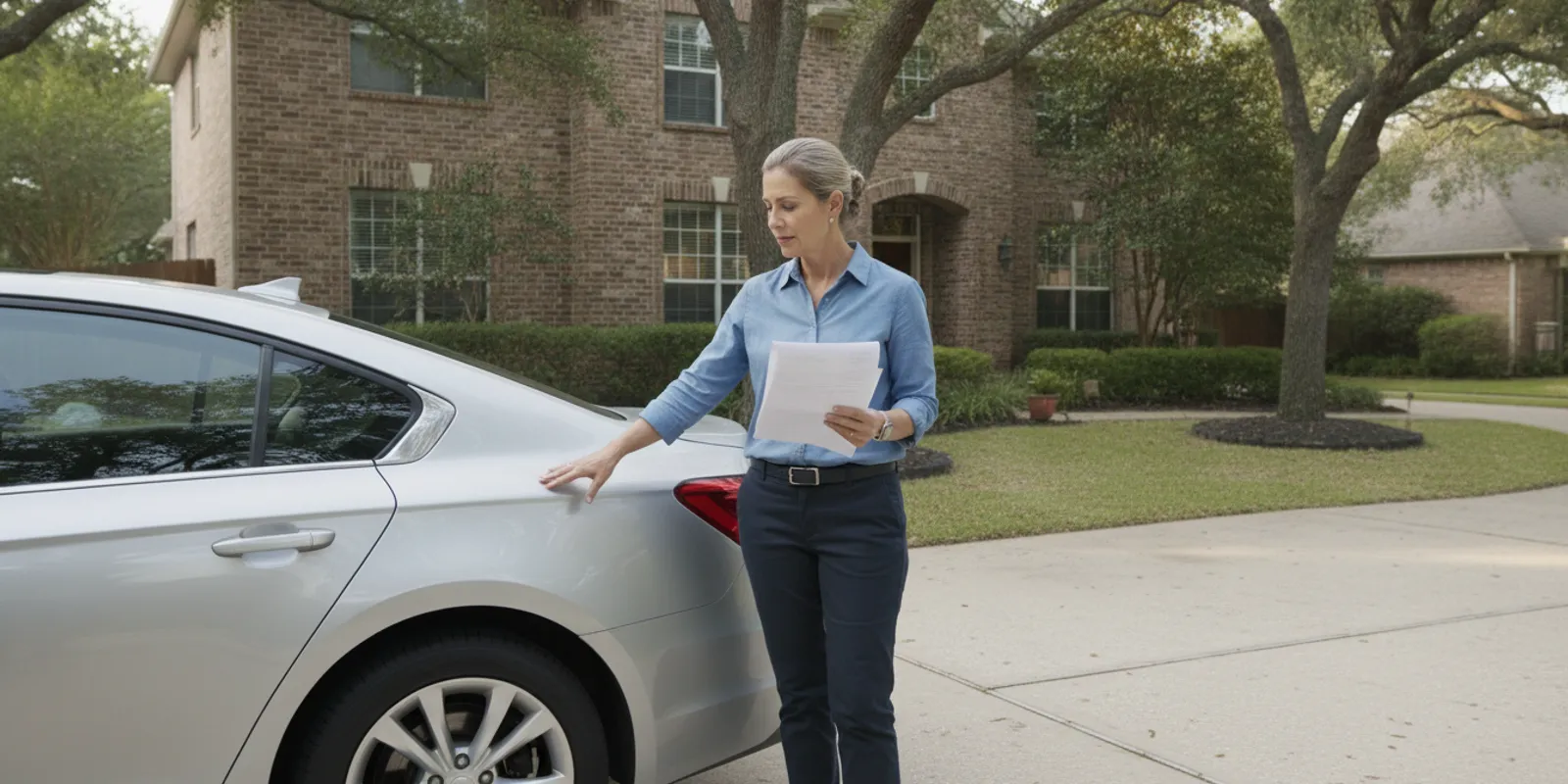
If you are considering a diminished value claim with Cincinnati Insurance as a Georgia vehicle owner. A completed repair may not fully restore what your car was worth before the collision. Buyers and dealers can still view a vehicle with accident history differently, so the repair file is only part of the valuation picture.
Request a free case evaluation with Gastley Law or call (770) 557-2838.
If you are considering a Cincinnati Insurance diminished value claim in Georgia. Support it with two distinct types of information: the carrier’s current public claim-process guidance and evidence showing how the repair affected your vehicle’s market value. The target question, often phrased as Cincinnati Insurance diminished value claim Georgia, requires the same careful distinction. Cincinnati’s published materials describe claim reporting, coverage, liability, damage evaluation, information gathering, and resolution, but the reviewed pages do not state a universal diminished-value formula or guarantee payment. See Cincinnati’s claims process for the carrier’s general statements, then apply Georgia-specific valuation principles to your facts.
That distinction matters because a carrier’s process information is not the same as proof of a particular Georgia claim amount. Start by understanding how to report the loss and what the public Cincinnati process says before assembling the records and valuation evidence that support your position.
What does diminished value mean after a repair?
Diminished value is the difference between a vehicle’s market value before a collision and its market value after the damage has been repaired. It is separate from the cost to repair the vehicle. A repair payment addresses the work needed to restore the car. A diminished value request addresses a possible loss in resale value that remains because the vehicle has a damage history.
The amount is not automatically equal to a fixed percentage of repair costs. Two vehicles with similar repair bills may have different market effects. The extent and location of the damage, repair quality, vehicle age and condition, mileage, make and model, and available comparable sales can all matter to an appraisal. A buyer’s concern about a documented structural repair may differ from concern about a small cosmetic repair.
Keep diminished value distinct from other parts of a property damage claim. Do not combine it with repair costs, towing, rental expenses, or loss of use in a way that makes it unclear what each amount is meant to cover. For background on how related vehicle damage issues fit together, see this Georgia car property damage claim guide.
How do you file a Cincinnati Insurance diminished value claim in Georgia?
A repaired vehicle can still have a lower market value after an accident. But filing a diminished value claim against Cincinnati Insurance in Georgia is not the same as proving that the claim must be paid. Start by reporting the loss through Cincinnati’s available claims channel or through the independent agent who represents the policy. Cincinnati’s public claims information says registered policyholders can also submit claims through its Claims Service Center.
According to Cincinnati’s official claim process, the carrier’s representatives work with the insured’s independent agent. The published process generally follows these stages:
- Report the claim. Provide the basic facts about the collision, the vehicles involved, and the resulting damage.
- Connect with a claims representative. The representative works with the policyholder and independent agent as the claim moves forward.
- Evaluate coverage, liability, and damage. Cincinnati says it reviews applicable policy coverage and evaluates the circumstances and physical damage.
- Gather information. Expect the claim evaluation to depend on information about the loss, repairs, vehicle condition, and applicable coverage.
- Resolve the claim. The carrier states that it responds to the claim and pays what is owed under the applicable policy.
That public process does not establish a universal Cincinnati diminished-value formula. The Cincinnati pages reviewed also do not promise that every Georgia vehicle owner is entitled to diminished value or guarantee a payment amount. A claim still depends on the policy language, liability position, the vehicle’s facts, and the evidence supporting the reduction in market value.
When you submit the diminished value portion of the claim. Ask Cincinnati or the independent agent to identify the applicable policy terms, coverage position, valuation method, and inputs in writing. Keep the request focused on the vehicle’s post-repair market impact, and distinguish that issue from repair costs or other categories of loss. Georgia-specific eligibility and valuation questions should be evaluated from the facts of the collision and the available evidence, not assumed from the carrier’s general claim workflow.
What documents support a Cincinnati Insurance diminished value claim in Georgia?
This is a practical evidence checklist, not an official Cincinnati Insurance form checklist. The goal is to give the reviewer a clear record of the loss, the vehicle, the repairs, and the amount being requested. Keep the originals, send readable copies, and organize the file in the order someone unfamiliar with the claim can follow.
- Claim and contact records: Include the claim number, date of loss, policy information if available, and the names and contact details for the Cincinnati Insurance agent, adjuster, or other claim representative. Save emails, letters, call notes, and other communications.
- Coverage and liability position: Keep the insurer’s written coverage position, liability decision, requests for information, and any explanation of what portion of the loss it accepts or disputes. Do not rely only on a verbal statement when a written response can be requested.
- Repair file: Gather the original repair estimate, supplements, supplement approvals, parts and labor details, photographs taken during the claim, and the final repair invoice. These records help show what was damaged and what work was actually completed.
- Vehicle history: Provide evidence of the vehicle’s pre-loss condition, including maintenance records, prior photographs, service history, VIN, mileage, trim, options, and equipment. Include records of prior damage or earlier repairs so an older condition is not attributed to this collision.
- Post-repair condition: Add clear photographs of the repaired vehicle, inspection notes, and documentation of any remaining cosmetic, structural, safety, or functional concerns. Explain when each photograph or inspection was made.
- Market and valuation evidence: Identify comparable vehicles and their location, mileage, condition, equipment, and advertised or sale price. Include a vehicle-specific valuation report when available, along with its methodology, assumptions, and supporting data. A broader guide to evidence supporting a diminished value claim can help separate market evidence from repair-cost documentation.
- Written claim response: Preserve Cincinnati Insurance’s written offer, denial, or explanation of its evaluation. If the response relies on a valuation method or disputed fact, ask for the relevant data and reasoning in writing.
These documents do not guarantee coverage, liability, approval, or a particular valuation. They give the claim a factual foundation and make it easier to identify whether the disagreement concerns the policy. Responsibility for the crash, the vehicle’s history, the repair work, or the amount of diminished value. Avoid filling gaps with assumptions. Mark information that is still being requested and update the file when it arrives.
How should you estimate the value loss?
Use a transparent before-and-after comparison. First estimate the vehicle’s fair market value immediately before the collision, using its actual age, mileage, trim, equipment, condition, and local market. Then consider its market value after repairs, with the accident and repair history disclosed. The difference between those figures is the claimed loss. State the date and assumptions for each figure so the reviewer can follow your reasoning.
A practical evidence set can include listings or sales for similar vehicles without comparable damage history, along with market evidence for repaired vehicles where available. Choose comparisons that are genuinely similar. A newer, low-mileage vehicle in excellent condition is not a sound match for an older, high-mileage car with prior damage. Adjustments should be explained rather than hidden in a single unexplained number.
An independent appraisal may help when the amount is disputed, particularly if it explains the vehicle inspection or records reviewed. Comparable market data, repair details, and the method used to reach a conclusion. Ask the appraiser to explain limitations and assumptions. An appraisal is evidence, not a guarantee that an insurer will accept the figure.
Be cautious with generic online calculators or a simple percentage of the repair bill. A formula can produce an estimate, but it may not account for the vehicle’s actual history or local market. If Cincinnati Insurance refers to a formula or valuation method, ask for the method, inputs, and explanation in writing. Do not present a carrier’s internal approach as a universal rule, and do not assume that a number generated by a calculator proves the amount of your loss.
How do the possible claim paths compare?
The next steps depend on the coverage basis, the evidence, and the response you receive. This comparison is a planning aid, not a guarantee of coverage or outcome.
| Path | What to prepare | What to confirm |
|---|---|---|
| Request to another driver’s insurer | Crash and liability records, repair documents, value evidence, and a written amount requested | Whether liability and property damage handling are resolved, and what information the adjuster needs |
| Request under your own policy | Policy documents, claim correspondence, repair file, and a specific written explanation of the loss | Which policy provisions apply, any notice or appraisal requirements, and any stated limits or exclusions |
| Respond to a low offer | Offer details, the insurer’s valuation reasoning, and evidence addressing disputed assumptions | What facts or documents would change the evaluation and whether the offer releases other claim items |
| Seek legal or regulator guidance | Chronology, complete claim file, written decisions, and unanswered questions | Available options and any deadlines that apply to your particular claim |
Do not treat a row as a required sequence. For example, a policy may describe a process for resolving a valuation disagreement; read the actual policy and written instructions before deciding whether to invoke it. A third-party liability dispute can raise different issues. For general claim-dispute preparation, see how to dispute an insurance claim.
How can you submit a clear diminished value request?
Send a concise written request to the adjuster handling the claim. Include the claim number and vehicle details, identify the specific damage event, state that the request concerns diminished value after repair, and list the amount requested. Attach the key documents and explain how the supporting evidence leads to that amount. If you have separate open requests for repair costs or loss of use, label them separately.
- Check the file. Verify the claim number, date of loss, vehicle identification, repair status, and correct insurer contact.
- Make the comparison understandable. Set out your pre-loss value, post-repair value, and the difference. Explain the sources and any adjustments.
- Attach organized evidence. Use descriptive file names and a short contents list. Keep the complete originals.
- Ask for a written response. Request the insurer’s evaluation, the information it relied on, and any additional items it needs.
- Track delivery and follow up. Save confirmation of submission and note response dates. Follow up in writing if the requested response does not arrive.
A demand should be firm, factual, and specific. Avoid unsupported accusations or statements that the insurer must pay a set amount under a formula you cannot substantiate. If a document is missing, say what you have requested and when you expect to provide it. If there is a release or settlement document, read it carefully before signing. Confirm which claims and losses it resolves and whether any other property damage issues remain open.
For a structured overview of assembling and presenting a value request, see Gastley Law’s five-step loss of value claim guide. For assistance focused on vehicle value disputes, the firm also explains its diminished value attorney services for Georgia drivers.
What should you do if the offer is low or the request is denied?
Ask for the reason in writing before deciding how to respond. A low offer may reflect a disagreement about the car’s pre-crash value, repair history, comparable vehicles, liability, coverage, or the method used to estimate post-repair value. A denial may raise different questions, including what policy language or claim facts the insurer relied on. Do not assume the same response works for every reason.
- Identify the exact disagreement. Ask whether the insurer disputes coverage, responsibility, the existence of a loss, the amount, or the evidence.
- Request the valuation basis. Ask for the data, comparable vehicles, adjustments, and method used in its evaluation, to the extent the insurer can provide them.
- Respond point by point. Correct factual errors and attach better evidence for any disputed vehicle detail, repair item, or market comparison.
- Keep negotiations documented. Confirm important calls by email or letter and save each offer and response.
- Review next steps before a deadline passes. Check the policy and claim correspondence, and seek advice promptly if liability, coverage, or a legal time limit is in question.
If the disagreement remains, possible next steps depend on the applicable policy and facts. They may include further negotiation, a policy-based appraisal process if available and appropriate, legal review, or contacting a regulator about the handling of an insurance matter. These routes are not interchangeable, and an appraisal process may address value without deciding every coverage or liability dispute.
Georgia drivers can use the Georgia Office of the Commissioner of Insurance website to locate official consumer insurance information and complaint resources. A regulator’s process is not a substitute for individualized legal advice or a court decision. Keep your complete file and pay attention to any applicable filing deadlines while considering options.
If you are unsure whether an offer addresses diminished value separately from repairs or other property damage, review how to evaluate an insurance settlement offer before agreeing to terms.
Request a free case evaluation with Gastley Law or call (770) 557-2838 to discuss a Georgia vehicle claim.
Frequently Asked Questions
Does Cincinnati Insurance use a standard diminished value formula?
Do not assume that it does or that a formula applies to every claim. Ask the adjuster to identify the method used for your specific evaluation and explain its inputs. Compare that explanation with your vehicle records and market evidence.
Can I make a diminished value request before repairs are finished?
You can ask the insurer how it wants the claim handled, but the vehicle’s completed repair records may be important to evaluating post-repair condition. Preserve photos and estimates before repairs, then provide the final invoice and repair documentation when available. Avoid stating a final post-repair value without knowing what work was completed.
Is a repair estimate enough to prove diminished value?
Usually, an estimate describes anticipated repair work; it does not by itself establish the car’s market value before and after the collision. Pair repair records with vehicle-specific market evidence and a clear explanation of the amount requested.
Should I accept an offer or sign a release?
That depends on the offer terms and the claims it resolves. Ask for clarification in writing and read the full release before signing. If it is unclear whether diminished value or another property damage item is included, get the issue clarified before you agree.
Can Gastley Law review a claim outside Georgia?
Gastley Law focuses on Georgia vehicle owners. Drivers in other states should consult an attorney licensed where their claim arises or use that state’s official insurance regulator and lawyer referral resources.
A well-documented request gives the insurer a clearer basis to evaluate the vehicle’s post-repair market loss. Keep the evidence and communications together, ask for a reasoned written response, and get claim-specific guidance when coverage, deadlines, or settlement terms are uncertain.
Request a free case evaluation with Gastley Law or call (770) 557-2838 today.