
Loss of Use Claims in Georgia: What Drivers Should Know
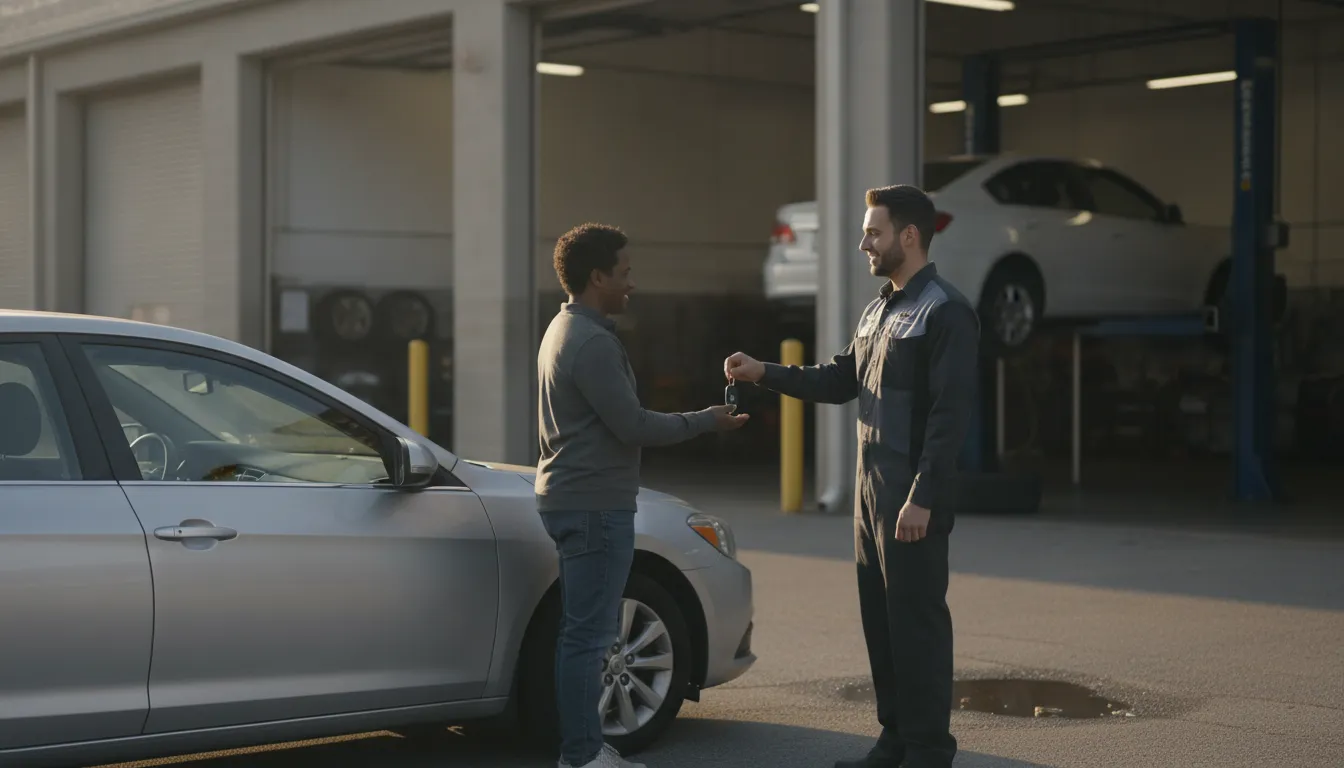
When an accident leaves your vehicle sitting in a repair shop, the financial impact can continue even after the immediate damage is documented. You may need a rental car, rides, or other transportation while you wait for repairs or a total-loss decision.
Request a free case evaluation with Gastley Law or call (770) 557-2838 today.
Loss of use claims in Georgia may help recover reasonable transportation expenses while a covered accident leaves your vehicle inoperable. Recovery depends on your policy and the evidence supporting the period and cost of the loss.
Georgia insurance regulations describe loss of use in terms of reasonable expenses incurred while an insured vehicle is inoperable because of a covered accident. That makes the details important: eligibility, coverage limits, repair timing, and documentation can all affect what an insurer should consider. Understanding what this loss represents is the first step toward presenting a complete property-damage claim.
What Are Loss of Use Claims in Georgia?
When an accident leaves your vehicle in a repair shop, the financial impact extends beyond the damage estimate. You may need another way to travel while your car is unavailable.
What expenses can loss of use cover?
Georgia insurance regulations address loss of use through actual transportation expenses. When a policy provides loss of use or rental reimbursement coverage. Reimbursement is limited to reasonable expenses incurred while an insured vehicle is inoperable because of a covered accident.
Those expenses can include rental car charges, mileage, taxes, and reasonable fares for substitute transportation. The specific amount depends on the policy, the covered loss, and the expenses you can substantiate. The applicable regulation also allows policy-based daily or aggregate limits in some situations.
In practical terms, loss of use addresses the burden of being without your vehicle. It is intended to restore you, as far as compensation can, to the position you occupied before the accident. That restoration principle is reflected in Georgia’s insurance regulation on loss of use and rental reimbursement.
Does every Georgia driver qualify?
No. An accident alone does not automatically establish an entitlement to loss of use damages. Eligibility can depend on the policy language, whether the vehicle was actually inoperable, and the evidence supporting the period without transportation.
That eligibility caveat matters when an insurer questions your claim. A carrier may focus on whether the vehicle could have been driven, whether the requested transportation was reasonable, or whether the repair period is adequately documented. These questions do not decide the claim automatically, but they can affect what the insurer agrees to pay.
Loss of use is also different from diminished value. Loss of use concerns the temporary functional loss of transportation. Diminished value concerns the vehicle’s market value after accident damage and repairs. A Georgia property damage claim may involve both, but they require separate analysis and proof.
Keep records showing when the vehicle became unavailable and how you paid for necessary transportation. Receipts, rental agreements, mileage records, and repair documentation can help connect the expense to the covered accident. The next step is determining which expenses are recoverable and how policy limits affect the calculation.
How Is Loss of Use Compensation Calculated in Georgia?
Georgia loss of use compensation generally focuses on the reasonable, documented costs of getting around while your vehicle cannot be used. The calculation is practical, but small expenses can matter when they are supported and properly itemized.
What Counts as an Actual Expense?
Common reimbursable expenses include daily rental charges, mileage, taxes, and reasonable fares for substitute transportation. Georgia’s insurance regulation addresses these expenses when an insured vehicle is unavailable after a covered accident. Read the applicable Georgia regulation.
A rental receipt alone may not show the full amount you spent. Keep the rental agreement, daily rate, taxes, and final invoice. If you used your own vehicle temporarily, record the mileage connected to substitute transportation.
Public transportation, rideshare, or taxi fares may also be relevant when they were reasonable substitutes for the unavailable vehicle. Save receipts and note the date, purpose, and amount of each trip. The evidence should connect the expense to the period when your vehicle was inoperable or under repair.
Do not combine loss of use with diminished value. Loss of use addresses the financial burden of being without the vehicle. Diminished value addresses the vehicle’s reduced market value after accident damage and repairs. They can be separate components of a total property damage recovery. Gastley Law explains how diminished value claims differ from other vehicle-damage losses.
How Do Daily and Aggregate Caps Apply?
An insurer may apply a daily limit or an aggregate monetary cap under the applicable policy provisions. A daily cap limits the reimbursable amount for each day. An aggregate cap limits the total amount available for the claim.
For example, a policy may not reimburse every dollar of a premium rental rate if the daily limit is lower. A total cap may also restrict recovery even when the vehicle remains unavailable for a longer period. The actual limits depend on the policy language and claim circumstances.
That makes careful documentation important. Itemize the base rental charge separately from taxes, mileage, and other transportation costs. Combining everything into one rounded figure can make it harder to identify what the insurer accepted or left unpaid.
Review the policy, claim file, repair timeline, and payment calculation together. If the offer excludes reasonable expenses or overlooks a separate property damage component, compare the written explanation with your records before accepting it.
Loss of Use vs. Rental Reimbursement: What’s the Difference?
Loss of use and rental reimbursement can address transportation costs after a covered accident. They are related, but they are not always interchangeable. Policy language controls important limits and time periods.
| Issue | Loss of use | Rental reimbursement |
|---|---|---|
| What it covers | Reasonable, documented expenses caused by being without an operable vehicle. | Covered rental-car expenses, which may include daily charges, mileage, and taxes. |
| Key limit | Limits can depend on the policy, the vehicle’s inoperable period, and actual expenses. | Limits commonly depend on a daily allowance, an aggregate cap, or both. |
| When it applies | It may apply while the insured vehicle is inoperable because of a covered loss. | It applies when the policy includes rental reimbursement and the insured uses an eligible rental vehicle. |
| How to document it | Keep rental receipts, mileage records, taxes, and other substitute-transportation receipts. | Keep the rental agreement, payment records, dates, mileage, and tax charges. |
Georgia regulations describe reimbursement as limited to actual expenses while an insured vehicle is inoperable after a covered loss. Review the applicable Georgia regulation for the governing language.
Eligibility is not automatic. The policy may require specific coverage, and the claim may require proof that the vehicle could not be used. Policy terms can also differ significantly on limits and duration. Learn why policy wording matters before accepting an insurer’s calculation.
Neither category replaces a diminished value claim. Loss of use addresses the practical cost of being without the vehicle. Diminished value addresses the vehicle’s reduced market value after repairs. Explore diminished value claims separately, because Georgia law recognizes the right to pursue that compensation. If the insurer overlooks that loss, you can file a diminished value claim with the supporting documentation.
Keeping these claims separate helps you identify every part of your property damage recovery. An insurer’s rental payment does not automatically resolve the vehicle’s post-repair value loss.
When Does Loss of Use Coverage End in Georgia?
Loss of use coverage generally follows the period when your vehicle cannot reasonably be used after a covered accident. The endpoint can change when repairs are completed, or when the insurer documents a total-loss offer.
When Repairs Are Still Possible
For a repairable vehicle, insurers may limit benefits to the time the vehicle remains inoperable or under repair. Georgia’s insurance regulation describes the applicable period by reference to those circumstances. Review Rule 120-2-52-.07 for the governing language.
That does not mean every delay automatically extends payment. The claim file should show when the vehicle became unusable, when repairs began, and when the vehicle became reasonably available again. Keep repair orders, shop updates, and transportation records together.
When the Insurer Declares a Total Loss
A total-loss declaration can create a dispute about the final day of loss of use. Insurers may limit benefits until a total-loss offer is made and documented in the claim file. Georgia’s regulation addresses this limitation.
Some insurers may try to stop daily payments immediately after declaring a total loss. That position may overlook the time needed to communicate and document the offer. The claim file matters because it can establish what the insurer offered and when it made the offer.
Ask for the total-loss valuation and offer in writing. Then compare the documented timeline with your transportation expenses. If the insurer ended benefits before making and documenting the offer, preserve that disagreement instead of accepting the cutoff without review.
What Georgia’s Claim-Timing Rules Require
Georgia insurers must acknowledge a claim within 15 days, according to Georgia’s claims-handling rules. The acknowledgment deadline does not necessarily determine the last day of loss of use benefits.
When coverage is confirmed and the amount is undisputed, payment must be tendered within 10 days under the same rules. A disputed amount can require further documentation or negotiation. It is important to separate the payment deadline from the coverage-end date.
Do not confuse loss of use with diminished value. Loss of use addresses the transportation burden while the vehicle is unavailable. Diminished value concerns the vehicle’s reduced market value after damage and repair.
If your insurance claim was denied loss of use benefits, or the insurer stopped payments without a documented basis, professional review can help identify the issue and preserve the available evidence.
What Evidence Do You Need to Prove a Loss of Use Claim?
A well-documented claim shows why transportation expenses were reasonable and how long the vehicle remained unavailable. Organize records as the repairs progress, rather than reconstructing the timeline later.
Rental Receipts and Invoices
Keep the rental agreement, payment receipts, and final invoice. Each document should identify the rental dates, daily rate, taxes, and total amount paid.
Receipts for substitute transportation are often needed to substantiate a loss of use claim. This can include rental vehicles, rideshare fares, taxis, or other reasonable transportation expenses. Preserve digital receipts and payment confirmations, not only paper copies.
Review the invoice for unexplained fees before submitting it. Ask the rental company to correct duplicate charges or unclear line items. A complete record makes it easier to compare the expense with the period your vehicle was unavailable.
Mileage and Transportation Logs
If you used your own vehicle, borrowed transportation, or paid for trips separately, maintain a simple transportation log. Record the date, destination, purpose, miles traveled, and amount paid.
Itemize mileage, rental charges, and taxes instead of combining them into one estimate. Georgia insurance regulations identify these categories among actual substitute-transportation expenses. Itemization helps prevent an insurer from overlooking a legitimate cost.
Also save receipts for fuel, public transportation, rideshare trips, and parking when those expenses relate directly to replacing the unavailable vehicle. Avoid estimates that cannot be tied to a date or trip.
Repair Documentation Showing the Vehicle Was Out of Service
Collect the repair order, estimate, inspection records, supplement approvals, and final invoice. Ask the repair facility to document when the vehicle arrived and when it was ready for pickup.
Emails or messages about parts delays, supplemental damage, and repair completion can help establish the timeline. Photographs showing the vehicle’s damage may provide additional context, but they do not replace repair-facility records.
Keep communications with the insurer and repair shop in the same file. The complete record should connect the accident, the vehicle’s inoperable period, and each transportation expense.
Proof of Loss and Claim Deadlines
Submit the evidence with your completed proof of loss and retain confirmation of delivery. Under Georgia insurance rules, an insurer must affirm or deny liability within 15 days after receiving completed proof of loss. Read the applicable Georgia claims-handling rule for the governing requirements.
That timing does not guarantee approval. Policy language, coverage, causation, and the quality of your documentation can still affect the decision. If an insurer disputes the period or refuses reasonable expenses, preserve the written explanation and supporting records.
How Gastley Law Helps Georgia Drivers Recover Loss of Use Damages
Insurance negotiations can become more difficult when a claim includes both vehicle damage and the costs of being without transportation. Gastley Law reviews the full financial loss instead of treating the initial offer as the final answer.
That review can include loss of use damages, diminished value, and other property-damage issues supported by the claim. The firm challenges denials of loss of use and diminished value when the available evidence supports additional compensation. Gastley Law explains its property-damage approach here.
Appraisal costs can be handled upfront
For qualifying matters, Gastley Law fronts appraisal costs that may range from $200 to $1,500. The firm states that clients pay nothing unless compensation is recovered. These terms can make it easier to pursue a careful evaluation without paying appraisal expenses at the outset.
Appraisal is not a guarantee of payment, and the available recovery depends on the facts, policy language, documentation, and insurer response. A focused review helps identify which losses can be supported and what additional evidence may be needed.
An initial insurance check does not necessarily end the review
Some Georgia vehicle owners assume they cannot seek further help after cashing an initial insurance check. Gastley Law states that it can assist even when an owner has already deposited the first payment.
The next step is to examine what the payment covered and what it left unresolved. That may include a denied loss of use request, an underestimated repair-related expense, or diminished value that was not addressed. The firm can then assess whether the remaining issues justify further action.
The goal is a complete property-damage assessment
Loss of use and diminished value are separate forms of loss. Loss of use concerns the financial burden of being without a vehicle. Diminished value concerns the vehicle’s reduced market value after qualifying damage and repairs. Keeping those issues distinct prevents important evidence from being overlooked.
Gastley Law also helps vehicle owners navigate fighting undervalued insurance settlements. The firm’s stated focus is holding insurers accountable for the full financial loss, including supported loss of use and diminished value claims.
If an insurer denied your request, paid only part of the claimed amount, or issued a check before all losses were evaluated, gather your claim documents and repair records. A Georgia-specific review can clarify whether further compensation may be available.
Request a free case evaluation with Gastley Law or call (770) 557-2838 today for help reviewing your loss of use claim.
Frequently Asked Questions
Am I entitled to loss of use damages in Georgia?
Eligibility depends on the applicable policy provisions and whether you can show that the vehicle was inoperable because of a covered accident. Gather repair records and transportation expenses before presenting the claim.
How is loss of use compensation calculated?
The calculation generally starts with reasonable substitute-transportation expenses, such as rental charges, mileage, taxes, or other reasonable fares. Policy terms may impose daily or aggregate limits, so itemize each expense and compare it with the policy language. See Georgia’s applicable insurance regulation.
Can an insurer stop payments after declaring my car a total loss?
A total-loss declaration does not automatically answer every loss-of-use question. Insurers may limit benefits when a documented total-loss offer is made, but they may also try to stop payments immediately. Review the claim file, policy terms, and timeline before accepting the cutoff.
What is the difference between loss of use and rental reimbursement?
Loss of use addresses the financial burden of being without an operable vehicle after a covered accident. Rental reimbursement is a policy benefit that may pay for a rental under its own limits, duration, and conditions. The two concepts can overlap, but they are not interchangeable.
Do I need receipts to file a loss of use claim?
Receipts are strong evidence, especially for rental charges, substitute transportation, taxes, and mileage. Keep a repair order, dates the vehicle was unavailable, rental documentation, receipts, and a mileage log. Clear records make it easier to connect each requested expense to the accident.
Ready to Discuss Your Loss of Use Claim?
Request a free case evaluation with Gastley Law or call (770) 557-2838 today.