
Selling Car After Accident Georgia: Disclosure Laws and Value Guide
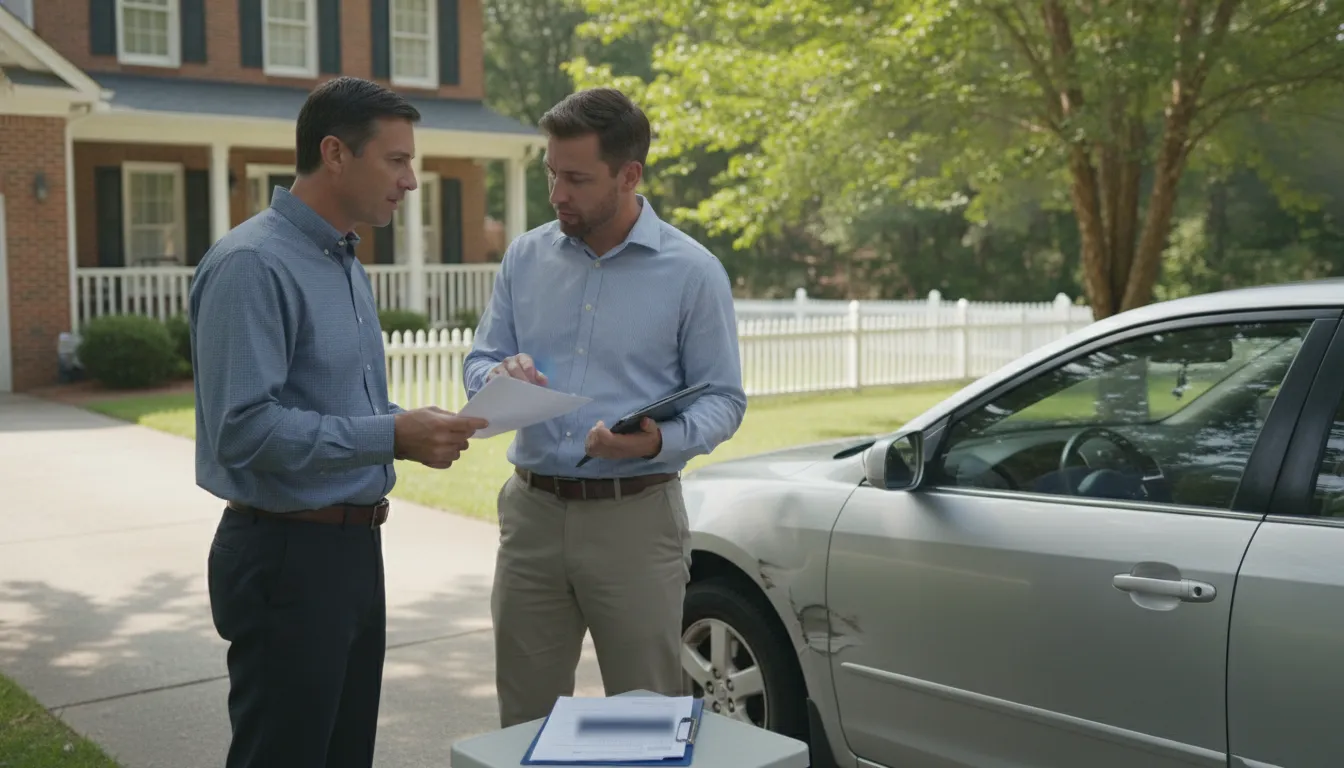
Selling a vehicle after an accident in Georgia involves more than repairing the visible damage. An accident history can affect what buyers, dealers, and vehicle-history reports say the car is worth, even when the repairs were completed correctly. Before you list or trade in the vehicle, consider whether the loss in market value can be addressed through a diminished value claim.
When selling car after accident Georgia, disclose the vehicle’s material accident history honestly and consider filing a diminished value claim before the sale. The claim may help address the difference between the car’s pre-accident and post-accident market value, including loss that remains after repairs.
Get a free case evaluation from Gastley Law before listing your vehicle: (770) 557-2838.
Georgia sellers should approach the transaction with accurate records, clear communication, and an understanding of what the law requires. The disclosure rules are an important starting point, especially when an undisclosed accident could create legal and financial problems later.
Selling Car After Accident Georgia: Georgia’s Disclosure Laws When Selling a Car After an Accident
Georgia does not treat every vehicle sale the same way. The disclosure duties can depend on whether you are a private owner selling your own car, a used-car dealer, or a dealer offering a new vehicle. Understanding the distinction helps you describe the vehicle accurately and avoid relying on a clean title as proof that no accident occurred.
What must a Georgia dealer disclose?
For a new motor vehicle, Georgia law requires a dealer to disclose damage when the repair cost exceeds 5% of the manufacturer’s suggested retail price. Damage to paint that costs more than $500 to repair must also be disclosed. The rule has exceptions for certain components, including bumpers, tires, glass, wheels, radios, and in-dash audio equipment, even when those parts were damaged and repaired.
Used-car dealers have a different obligation. They are generally not required to volunteer prior accident damage before a sale unless the consumer specifically asks about it. That does not make a vehicle history report irrelevant. A clean title does not establish that a car has never been damaged, because title records and accident-history reports contain different information.
What about a private seller?
Georgia does not use a single formal accident-disclosure form for every private vehicle sale. Even so, a seller should not hide a material fact or make a misleading statement about the vehicle’s condition. Concealing significant accident history can create the risk of a fraud or misrepresentation claim. The safer approach is to explain what happened, identify the repairs you know about, and preserve repair invoices, photographs, and other records.
Buyers commonly check Carfax or AutoCheck and may also use the National Motor Vehicle Title Information System, or NMVTIS, to investigate prior damage. A buyer may arrange an independent inspection as well. If an accident has reduced the vehicle’s resale value, consider pursuing a diminished value claim before listing it, rather than assuming disclosure means you must absorb the loss yourself.
How Accident History Affects Your Car’s Market Value
A vehicle can be repaired correctly and still be worth less after a collision. The repair restores the car’s condition, but it does not erase the accident history that follows the vehicle. That gap between the value before the accident and the value after repairs is diminished value.
Buyers, dealers, and valuation services can often see the collision in a Carfax report or another vehicle-history report. Once the accident is documented, a buyer may assume there is additional risk, even when the repairs were completed by a qualified shop and the vehicle drives properly. That concern affects negotiations and can reduce what someone is willing to pay.
How much value can an accident take away?
The impact varies by vehicle type, age, mileage, severity of damage, and the quality of the repair history. Appraisal data from the Georgia market identifies these typical ranges:
- Luxury vehicles under five years old: approximately 15% to 30%.
- Full-size trucks and SUVs: approximately 10% to 20%.
- Standard sedans and crossovers: approximately 10% to 18%.
- Classic or collectible vehicles: 20% or more, depending on the severity of the accident.
These are broad ranges, not a promise of what any particular vehicle has lost. A professional appraisal should consider the specific vehicle, its pre-accident condition, documented repairs, market demand, and the accident’s severity. Newer and higher-value vehicles often face greater buyer scrutiny because the reported history can materially change how the market views them.
Diminished value is not ordinary depreciation
Depreciation is the normal decline in value that occurs as a vehicle ages, accumulates mileage, and becomes less new. Diminished value is a separate, accident-related loss. It can exist even when the vehicle has been restored to safe, functional condition. The fact that a car is repaired does not mean its market value has returned to the level it would have held without the collision.
If you are considering lost resale value after an accident, document the vehicle’s condition, repair history, and accident record before listing it or accepting a trade-in offer. Understanding the accident-related loss early can help you evaluate whether an insurance recovery should be pursued before the sale.
Filing a Diminished Value Claim Before You Sell
Diminished value is the reduction in a vehicle’s market value after an accident, even when repairs were completed properly. Filing before listing the vehicle can help you address that loss separately from the sale and gives you a documented payout to discuss with prospective buyers or a dealer. It can also strengthen your bargaining position because you are not relying on the sale price alone to absorb the vehicle’s accident history.
- Confirm that diminished value is part of your potential claim. If another driver’s negligence caused the collision, Georgia law provides a right to recover damages from the negligent driver under OCGA 51-1-6. Even if you were at fault, you may still qualify depending on the circumstances and the terms of your insurance policy. Do not assume eligibility or ineligibility without reviewing the accident and coverage details.
- Collect the repair and ownership records. Gather the crash report, photographs, repair estimates, final invoices, proof of payment, vehicle identification information, and records showing the vehicle’s condition before and after the collision. These materials help establish what happened and support an appraisal of the market loss. Keep vehicle-history reports and any written insurance offer as well.
- Obtain a valuation that addresses the actual market loss. An insurer may rely on the 17(c) formula when calculating diminished value. That formula can understate the vehicle’s true loss, so compare the offer with a reasoned valuation based on the vehicle, repairs, accident history, and local market. A careful appraisal can give you a stronger basis for challenging an inadequate offer. You can file a loss of value claim with the supporting records assembled.
- Review the offer and negotiate before listing the car. Evaluate the insurer’s calculation rather than accepting the first number automatically. If the offer does not reflect the vehicle’s actual post-accident market position, you may need to negotiate a diminished value claim with additional documentation or legal guidance. Resolving the claim before advertising can leave you with a clearer financial baseline during sale negotiations.
- Track the deadline and plan the sale. Georgia’s statute of limitations for property damage claims is six years, but waiting can make records harder to locate and delay the recovery you want before selling. Start promptly, confirm the applicable deadline for your circumstances, and preserve every claim communication. Once the claim is resolved, disclose the vehicle’s accident history accurately and use the documented recovery when assessing offers.
A claim is fact-specific. Gastley Law can review the accident, insurance position, repair history, and planned sale to help determine the next practical step.
Repair Before Selling or Sell As-Is?
Before listing a damaged vehicle, compare the likely increase in sale value with the cost, time, and risk of additional repairs. A repair is not automatically a better financial decision. If the repair bill approaches or exceeds the value the repair is likely to add, keeping the vehicle as-is may be more practical. This is especially important when an insurer determines that the repair costs exceed the vehicle’s value and treats the vehicle as a total loss.
When repairs may improve a private sale
Minor cosmetic work can make a private-sale vehicle easier to present and inspect. Fixing a clearly damaged bumper, replacing a broken light, or addressing visible paint issues may reduce buyer concerns when the work is reasonably priced and properly documented. Keep repair invoices, photographs, and related records. They help demonstrate what was repaired and allow a prospective buyer to evaluate the vehicle with accurate information.
Do not assume repairs erase the accident history. Buyers commonly check a vehicle history report, including Carfax, and may arrange an independent inspection. A clean title does not establish that a vehicle has never been damaged. Georgia consumer guidance explains that title records and vehicle history reports provide different information. And buyers may use reports such as Carfax or AutoCheck to identify prior accidents or major damage.
When selling as-is may make more sense
Selling as-is can be the more sensible option when extensive repairs will not recover their cost. The vehicle has substantial structural or mechanical damage, or the insurer has determined that it is a total loss. The listing should accurately describe the vehicle’s condition and known accident history. Avoid presenting a repaired or unrepaired vehicle as accident-free. A buyer who discovers a material omission after relying on your description may dispute the sale or pursue available remedies.
Even after a quality repair, the vehicle may be worth less because its accident history follows it. That loss is separate from the repair decision. Before choosing whether to repair or sell, consider a diminished value claim so the vehicle’s post-accident market loss is evaluated rather than absorbed entirely in the sale price.
Private Sale vs. Dealer Trade-In: Where the Damage Is Worse
The best sales channel depends on how you want to handle the vehicle’s accident history. Neither option erases diminished value. A repaired vehicle can still command less because buyers and dealers evaluate the reported history, not only the quality of the repairs.
| Consideration | Private sale | Dealer trade-in |
|---|---|---|
| How the history is evaluated | Private buyers may review the vehicle history report, inspect the repairs, and ask questions about the accident. | Dealers typically review vehicle history reports and compare the vehicle with auction and market data before making an offer. |
| Negotiation pressure | A buyer may negotiate aggressively after seeing an accident record, but you can explain the repairs and provide supporting documentation. | The dealer may build the accident history into its offer immediately, leaving less room to recover the gap through a trade-in negotiation. |
| Documentation that helps | Repair invoices, photographs, maintenance records, and a professional diminished value appraisal can help establish the vehicle’s condition. | The same records can support the vehicle’s condition, but the dealer’s valuation process may still account for the reported accident. |
| Where a claim fits | A diminished value claim payout may help offset the reduced sale price after you disclose the history accurately. | A payout may help offset the lower trade-in offer while preserving the convenience of selling through a dealer. |
Why a dealer offer can feel especially low
A dealer is not valuing the car solely as transportation for the next owner. The offer must account for resale risk, inspection findings, market demand, and the vehicle’s history report. Accident history can therefore affect both the dealer’s purchase number and the amount the dealer expects to spend before resale. Review car trade-in value after accident before accepting an offer.
How documentation changes a private negotiation
Private buyers may have more questions, but that conversation gives you an opportunity to present the repair history clearly. Disclose the accident and describe what was repaired without overstating the vehicle’s condition. A documented diminished value recovery can also help address the financial loss that remains after repairs. Consider pursuing that claim before listing the car, so the sale price and the insurance recovery are evaluated together rather than treating the reduced market value as unavoidable.
Steps to Maximize Your Car’s Sale Price After an Accident
Whether you sell privately or trade in to a dealer. Preparation and documentation can help you present the vehicle honestly and address the financial loss created by the accident. Georgia law does not require a specific accident-disclosure form for every private sale, but buyers can check vehicle history reports and may request an independent inspection. Clear records and a proactive approach to the diminished value component can make the process smoother.
- Document every repair with receipts and photographs. Keep repair invoices, before-and-after photos, and any correspondence with the repair shop. These records demonstrate what was fixed and how the work was performed. A buyer or dealer who sees complete documentation may evaluate the vehicle more favorably than one who sees a gap in the vehicle’s history.
- Obtain a professional diminished value appraisal. An independent appraiser can evaluate the vehicle’s pre-accident and post-accident market value. The appraisal provides an objective number that you can use when discussing the vehicle’s condition with buyers or when filing an insurance claim. Do not rely on a dealer’s informal estimate or an insurer’s 17(c) formula as the final word on the vehicle’s true loss.
- File a diminished value claim before listing the vehicle. Pursuing a claim while the vehicle is still in your possession gives you a documented recovery that can offset the lower sale price or trade-in offer. Gastley Law can review the accident details, the insurance company’s position, and the supporting records to determine whether a claim is viable. You can file a diminished value claim in Georgia before you begin advertising the vehicle.
- Gather vehicle history reports for transparency. Obtain a Carfax or AutoCheck report and review it before listing. A buyer or dealer will run their own check, so knowing what the report shows helps you prepare accurate disclosures rather than being caught off guard. Check the National Motor Vehicle Title Information System (NMVTIS) as well to identify any branded-title issues that may affect the transaction.
- Time the sale after claim resolution. If you are pursuing a diminished value claim, wait until the resolution is at least documented before closing the vehicle sale. The payout itself is not tied to ownership. But having the recovery in hand or in writing gives you a stronger negotiating position and ensures the accident-related loss does not go uncompensated. Georgia’s six-year statute of limitations for property damage claims provides a reasonable window, but starting the claim process early is advisable while records are fresh.
Frequently Asked Questions
Do I have to disclose an accident when selling my car in Georgia?
Georgia does not have a single formal accident-disclosure form that applies to every private vehicle sale. Private sellers should answer honestly if a buyer asks about the vehicle’s history. Hiding a material defect or making a misleading statement could create exposure to a fraud or misrepresentation claim. Dealers selling new vehicles must disclose damage exceeding 5% of MSRP or paint repair over $500. Used-car dealers are generally not required to volunteer prior damage unless the buyer specifically asks.
Can I sell a car with accident damage in Georgia?
Yes, you can sell a car with accident damage in Georgia, but the history will affect the vehicle’s market value even after repairs are completed. Disclose the accident accurately, preserve repair records, and consider pursuing a diminished value claim before the sale to address the financial loss separately from the transaction price.
What is a diminished value claim in Georgia?
Diminished value is the reduction in a vehicle’s market value after an accident, even when repairs are done correctly. A diminished value claim seeks compensation for that loss from the at-fault driver’s insurance company. In Georgia, the right to recover these damages is supported by OCGA 51-1-6, and eligible claimants can pursue recovery within the six-year statute of limitations for property damage.
Should I repair my car before selling it in Georgia?
It depends on the repair cost relative to the value the repair is expected to add. Minor cosmetic repairs may help a private sale. Extensive repairs that approach or exceed the vehicle’s value may make selling as-is more practical. In either case, disclose the accident history accurately and consider a diminished value claim to recover the market loss that remains after whatever repairs are performed.
How long do I have to file a diminished value claim in Georgia?
Georgia’s statute of limitations for property damage claims, including diminished value, is six years from the date of the accident. Filing promptly while records are accessible and the vehicle’s history is well-documented is generally advisable. The claim can be pursued even if you plan to sell the vehicle, and resolving it before the sale may strengthen your negotiating position.
Ready to Protect Your Car’s Value Before You Sell?
Listing a vehicle after an accident creates practical and legal questions that are best answered before the listing goes live. A diminished value claim can help you recover the market loss your car has sustained, giving you compensation that addresses what the sale price alone may not cover. Gastley Law focuses exclusively on diminished value and property damage claims in Georgia. Helping vehicle owners pursue the recovery they are entitled to before they sell or trade in.
Call (770) 557-2838 today for a free case evaluation. There is no upfront cost, and the consultation is confidential. Find out whether filing a claim before listing your vehicle can put more money in your pocket when it is time to sell.