
How to Negotiate Diminished Value With Insurance: A Step-by-Step Guide
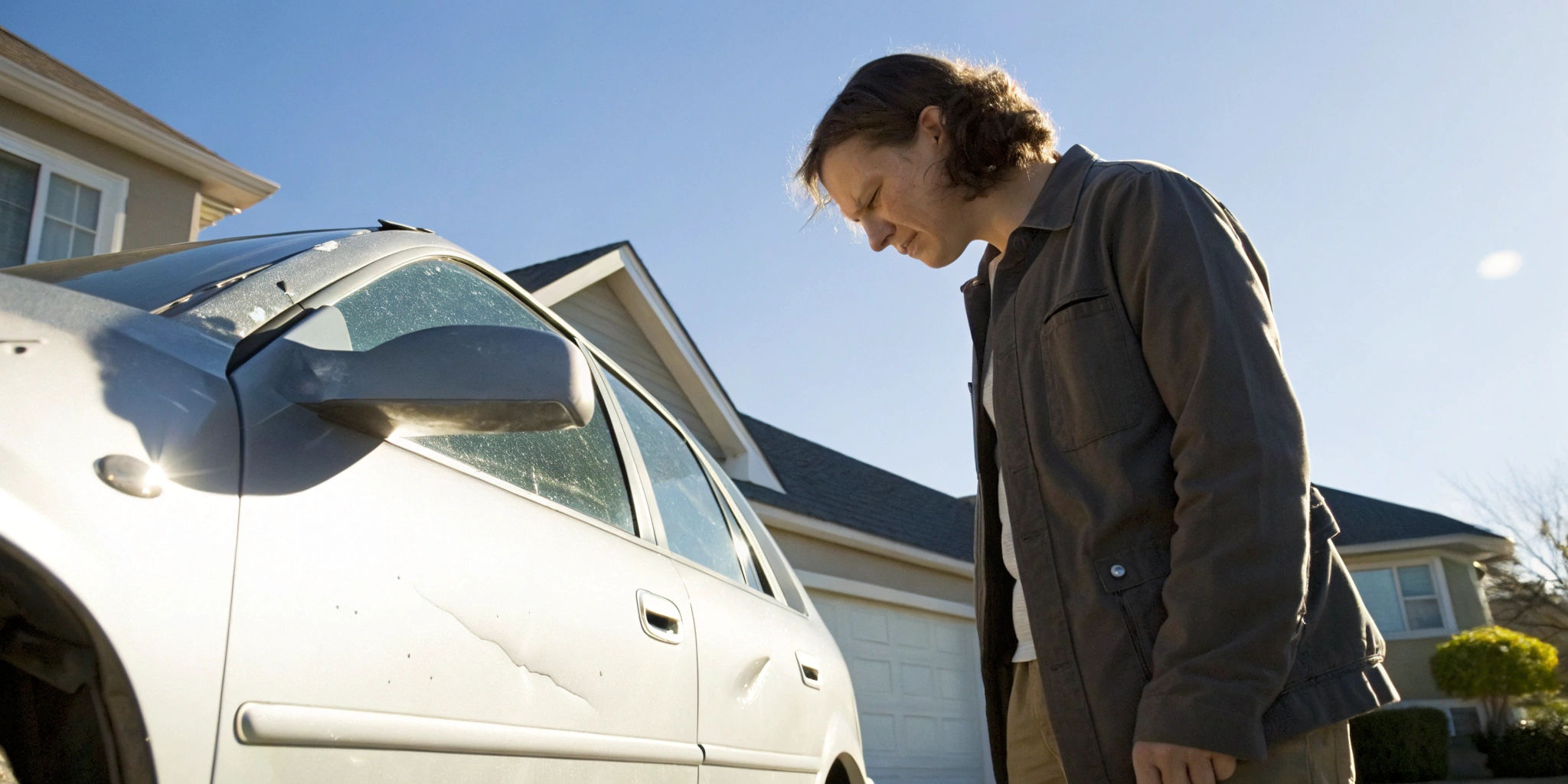
A car accident doesn’t just damage your vehicle; it damages your investment. Even with perfect repairs, the permanent accident history on your car’s record can reduce its resale value by thousands of dollars. This is a real financial loss, and it’s one the insurance company is responsible for covering. Accepting their first lowball offer is like leaving your own money on the table. This guide is about making sure you collect every dollar you are owed. We will show you how to negotiate diminished value with insurance effectively, so you can protect your asset and get the full compensation you deserve.
Key Takeaways
- Diminished value is the hidden cost of an accident. Even with flawless repairs, your car is now worth less simply because it has an accident history. You have the right to be compensated for this loss, but you have to ask for it.
- Evidence is your most powerful negotiation tool. Don’t just tell the insurance company your car lost value—prove it. A professional appraisal is your cornerstone, backed by repair bills and market research on similar cars.
- Never accept the first offer. Insurance adjusters start low, counting on you to take the quick payout. Be prepared to counter their offer with your evidence and stand firm on your car’s true post-accident value.
What is Diminished Value? (And Why It Matters for Your Car)
Let’s start with the basics. After an accident, you take your car to the shop, and the insurance company pays for repairs. It looks as good as new, but there’s a hidden cost you might not think about until it’s time to sell or trade it in. Even with perfect, top-quality repairs, your car is now worth less than it was before the crash simply because it has an accident history. This loss in market value is known as diminished value.
Think about it from a buyer’s perspective. If you were choosing between two identical cars, but one had a clean history and the other had been in a wreck, which one would you pay more for? Exactly. That difference in price is the diminished value, and it’s money that should rightfully be in your pocket. Vehicle history reports from services like CarFax make accident histories public knowledge, so this isn’t something you can hide. The insurance company is responsible for making you “whole” again, and that includes compensating you for this very real financial loss, not just fixing the dents and scratches.
Inherent vs. Repair-Related Value Loss
It helps to know that diminished value comes in a couple of different forms. The most common type is inherent diminished value. This is the automatic loss in value that happens the moment a car gets into an accident. It doesn’t matter how flawless the repairs are; the simple fact that the vehicle was damaged and repaired makes it less desirable on the open market. This is the type of diminished value we most commonly help clients claim.
Then there’s repair-related diminished value. This is an additional loss that occurs when the repairs themselves are subpar. Maybe the paint doesn’t quite match, aftermarket parts were used instead of original manufacturer parts, or there are lingering mechanical issues. This type of value loss is a direct result of poor workmanship and adds another layer to your potential claim.
Why Insurance Companies Often Push Back
If diminished value is a legitimate loss, why don’t insurance companies just pay it? The simple answer is that it’s not in their financial interest. Insurance adjusters are trained to minimize payouts, and they often won’t even mention diminished value unless you bring it up first. They are counting on you not knowing your rights or not having the evidence to back up your claim.
It’s standard practice for insurers to offer a quick, low settlement—or deny the claim altogether—hoping you’ll just accept it and move on. They might tell you that their obligation ended once the car was repaired. But in Georgia, you have the right to be compensated for your vehicle’s lost value. To get a fair amount, you need to be prepared to ask for it and provide strong proof. This is where having an expert on your side can make all the difference, ensuring you have the documentation needed to challenge their lowball offers.
Build a Rock-Solid Case: What Evidence Do You Need?
When you file a diminished value claim, you’re telling the insurance company that your car is worth less now, even after being repaired. But they won’t just take your word for it. To get the compensation you deserve, you need to present a strong, evidence-based case that clearly demonstrates the loss in value. Think of yourself as building an argument that is too compelling for the adjuster to ignore. A disorganized or poorly supported claim is easy for them to dismiss with a lowball offer or an outright denial.
The good news is that gathering this evidence is straightforward if you know what to look for. Your goal is to create a complete picture of your vehicle’s value before the accident, the severity of the damage it sustained, and the market reality of its worth after repairs. Each piece of documentation serves as a building block, strengthening your position and showing the insurance company that you’ve done your homework. From professional reports to personal records, a well-organized file is your most powerful tool in these negotiations.
Get a Professional Appraisal
This is the single most important piece of evidence for your claim. A professional, independent appraisal provides an unbiased expert opinion on exactly how much value your car has lost. An appraiser will inspect your vehicle, review the repair records, and use their industry knowledge to calculate a specific diminished value amount. This isn’t just a guess; it’s a credible assessment from a third party. Handing the insurance adjuster a detailed report from a certified appraiser immediately shows them you’re serious and shifts the conversation from “if” your car lost value to “how much” it lost. It’s the cornerstone of a successful claim.
Keep All Repair Documents and Receipts
Your paperwork is proof. Hold on to every single document related to your car’s repairs. This includes the initial estimate, the final itemized repair bill, receipts for any parts ordered, and records of any supplemental damage discovered during the repair process. These documents are crucial because they detail the extent of the damage. A file showing structural frame repair, for example, tells a much different story than one for a simple bumper replacement. This paper trail substantiates the severity of the accident and provides concrete evidence that the vehicle has a significant repair history, which is a major factor in its diminished value.
Research Comparable Vehicle Prices
To argue your car has lost value, you first need to establish what it was worth right before the accident. Do some market research by looking up the prices of comparable vehicles—the same make, model, year, and similar mileage—that have a clean history. You can use online resources like Kelley Blue Book or browse listings from local dealerships. This data helps establish a clear pre-accident baseline value for your car. When you present this alongside a professional appraisal of its post-repair value, you create a powerful and easy-to-understand comparison that justifies the amount you’re claiming.
Collect Photos and Accident Reports
Visual evidence can be incredibly persuasive. If you were able to, use the photos you took at the scene of the accident showing the initial damage. It’s also helpful to take pictures during the repair process and after the work is complete. These images tell the story of the collision in a way that documents alone cannot. Additionally, be sure to have a copy of the official police accident report. This report officially documents the facts of the incident, including who was at fault, and serves as a foundational piece of evidence for your entire claim. Once you have this information compiled, it’s a great time to get a professional opinion on your case.
How to Calculate Your Car’s True Diminished Value
Calculating your car’s diminished value is about proving how much its market price dropped because of the accident. It’s not just a random number you pull out of thin air; it’s a tangible loss you’ve suffered. Insurance companies have their own methods for this calculation, but their goal is often to pay as little as possible. Your goal is to build a case based on real-world data that shows what you’re truly owed.
The core idea is to establish a clear, evidence-backed difference between your car’s value before the accident and its value after repairs have been completed. Think of it this way: if you were shopping for a used car and had two identical options, but one had a clean history and the other had been in a significant wreck, you would expect to pay less for the one with the accident history. That price difference is its diminished value. To get the compensation you deserve, you need to prove that difference with solid evidence, starting with a professional appraisal and market research.
Compare Pre-Accident vs. Post-Repair Value
The first step is to determine what your car was worth moments before the collision. This is its pre-accident value. You can find this by looking at resources like Kelley Blue Book or NADAguides, but more importantly, by researching what similar cars (same make, model, year, mileage, and condition) are actually selling for in your area. Next, you need to figure out its post-repair value. This is where the accident history comes into play. Even if your car looks and drives like new, its value has dropped simply because it now has a damage record. A professional appraiser specializing in diminished value can give you an expert opinion on this new, lower market value.
Common Formulas and Calculation Methods
Insurance adjusters often use a formula called “17c” or a variation of it to calculate diminished value. These formulas typically start with a vehicle’s pre-accident value, apply a maximum loss cap (usually 10%), and then reduce that number further with multipliers for damage severity and mileage. The problem is that these formulas are designed to favor the insurance company and rarely reflect the actual market loss. Instead of relying on their math, you should focus on gathering your own proof. This includes your independent appraisal, repair estimates, and listings for comparable vehicles. This documentation helps you negotiate a higher settlement based on facts, not a self-serving formula.
Know Your Legal Rights in a Diminished Value Claim
After an accident, it’s easy to feel like you’re at the mercy of the insurance company. But you have more power than you think. Understanding your legal rights is the first step to confidently advocating for the full amount you’re owed. Insurance adjusters handle claims all day, every day; you need to be just as prepared. Your rights are grounded in your insurance policy, state laws, and the fundamental ability to negotiate. Knowing where you stand in these three areas will completely change how you approach your claim and will help you counter any pushback with facts.
When you file a claim, you’re not asking for a favor—you’re holding the insurance company to their end of the bargain. Many vehicle owners are simply unaware of their rights regarding diminished value claims, which can lead to accepting a lowball offer or giving up altogether. Let’s break down exactly what you need to know to protect your interests and fight for fair compensation.
Review Your Insurance Policy
Your insurance policy is a legal contract between you and your insurer. Before you even speak with an adjuster, pull out your policy documents and read them carefully. I know, it’s not exactly light reading, but it’s crucial to thoroughly review your policy to understand what is covered and what isn’t. Look for sections on “Property Damage,” “Collision Coverage,” and any specific exclusions. The language can be dense, but this document outlines the insurer’s obligations to you. If you’re unsure about the terminology, our team can help you interpret the fine print and understand the full extent of your coverage.
Understand Georgia’s Diminished Value Laws
State laws are your strongest ally in a diminished value claim, and fortunately, Georgia law is on your side. In Georgia, you are legally entitled to recover compensation for your car’s decreased market value after a crash caused by another driver. This isn’t a loophole; it’s a recognized right. Understanding the specific laws in Georgia is essential for filing a successful claim and pushing back if an adjuster tells you it’s not covered. This legal backing gives your claim legitimacy and provides the foundation for demanding what you are rightfully owed for the loss in your vehicle’s resale value.
Your Right to Negotiate for a Fair Amount
The insurance adjuster’s first offer is almost never their best offer. It’s a starting point for a negotiation. You have the absolute right to reject their initial number and present a counteroffer backed by your own evidence. Remember, auto insurers often do not offer adequate compensation initially, and they count on you not knowing you can push back. This is where your professional appraisal and market research become powerful tools. A lawyer can take over these negotiations to fight for fair compensation, but it’s important to know that you are never obligated to accept an offer that doesn’t fully cover your loss. If you feel you’re being pressured, contact us for a free consultation.
How to Present Your Claim for the Best Results
Once you’ve gathered all your evidence, the next step is to present your case to the insurance company. How you package and submit your claim can make a huge difference in the outcome. A disorganized or poorly timed claim is easy for an adjuster to push aside, but a clear, well-supported, and confident presentation demands attention. Think of it as building a compelling argument that leaves no room for doubt. By following a few key steps, you can show the insurer that you’re serious about getting the full compensation you’re owed.
Write a Clear and Confident Demand Letter
Your demand letter is your official request for compensation. This isn’t the time to be vague. Your letter should state exactly how much you are claiming for diminished value and why. Clearly lay out the facts of the accident, reference the damage to your vehicle, and explain that even after quality repairs, its resale value has dropped. Attach your professional appraisal and other key documents as proof. The tone should be firm and professional, showing the insurance company you’ve done your research and understand your rights. If you’re unsure how to phrase it, our team can help you draft a letter that gets results.
Organize Your Supporting Documents
A strong demand letter is only as good as the evidence backing it up. Before you send anything, gather all your paperwork into a single, organized package. This makes it easy for the adjuster to see the strength of your claim at a glance. Your packet should include the professional appraisal report, the final repair invoice, a copy of the police accident report, and clear photos of the damage before repairs. Having everything in one place shows you are thorough and prepared, making your claim much harder to dispute. This level of organization is a core part of our legal services.
Submit Your Claim at the Right Time
Timing is crucial. While you should notify the insurance company of the accident immediately, it’s often best to submit your formal diminished value claim after the repairs are complete. Why? Because you can’t accurately calculate the loss in value until you know the final quality and extent of the repairs. Once the work is done, you have a clear picture of the vehicle’s post-accident condition. Submitting your claim with the final repair bill and a post-repair appraisal provides a complete and accurate assessment of your car’s diminished value, strengthening your position from the start.
Smart Negotiation Strategies for Insurance Adjusters
Negotiating with an insurance adjuster can feel intimidating, but it’s a normal part of the claims process. Their job is to settle the claim for the lowest amount possible, while your goal is to get the full compensation you’re owed. The key is to approach the conversation with a clear strategy, solid evidence, and a calm demeanor. Think of it less as a battle and more as a business discussion where you need to clearly state your case and support it with facts. With the right preparation, you can confidently handle these conversations and stand firm on your claim’s value.
Start with a Strong, Well-Supported Number
Don’t go into a negotiation with a vague idea of what you want. You need to present a specific, justifiable number from the very beginning. The most effective way to do this is by getting a professional appraisal. An independent appraiser provides an unbiased, expert opinion on your car’s diminished value, giving you a credible figure to anchor your negotiations. This isn’t just a number you pulled from thin air; it’s a calculated amount based on market data and the specifics of your vehicle’s damage. Starting with a strong, evidence-backed number shows the adjuster you’ve done your homework and are serious about getting a fair settlement.
How to Respond to Lowball Offers
It’s almost a guarantee that the insurance company’s first offer will be low. Don’t be discouraged or feel pressured to accept it. This is a standard negotiation tactic. Your best response is to remain calm and politely reject the offer. You can say something like, “Thank you for the offer, but it doesn’t reflect the true loss in value based on my research and professional appraisal.” Then, restate your original number and refer back to your evidence. The initial offer is just a starting point, and showing you’re prepared to stand your ground is a crucial step in the process.
Use Your Evidence to Support Your Position
Your documentation is your greatest asset during negotiations. Every time you communicate with the adjuster, use your evidence to reinforce your position. Refer directly to your professional appraisal, the detailed repair invoices, and photos of the damage. Keep all your documents organized in a file so you can easily access them during a phone call. If the adjuster questions your number, you can walk them through the appraiser’s report or point to specific line items on the repair bill. This shifts the conversation from being about opinions to being about facts, making your claim much harder to dispute.
Stay Professional, Calm, and Persistent
Negotiations can be frustrating, but letting your emotions take over will only hurt your case. Always be polite and professional in your conversations with the adjuster, whether on the phone or in writing. Keep a detailed log of every interaction, including the date, time, who you spoke with, and what was discussed. This creates a paper trail and helps you stay on track. Persistence is key. If you’re not making progress or the adjuster is unresponsive, don’t give up. Follow up consistently and continue to state your case calmly and clearly. If you feel the process is becoming overwhelming, that’s a good sign it’s time to get some help.
What to Do When the Insurance Company Pushes Back
It’s almost a guarantee: the insurance company will push back on your diminished value claim. Their initial offer will likely be low, or they might deny the claim outright. Don’t let this discourage you. This is a standard part of their process, designed to see if you’ll simply accept their first answer and walk away. Your job is to show them you’re prepared, informed, and serious about getting the compensation you’re owed.
Standing firm doesn’t have to be confrontational. It’s about being methodical. You can counter their arguments effectively by understanding their common tactics, knowing what information you’re entitled to, and correcting the myths they often use to justify a lowball offer. Think of this as the next phase of the process. You’ve built your case, and now it’s time to use it. By addressing their objections with facts and confidence, you shift the balance of power back in your favor and demonstrate that you won’t be easily dismissed.
Address Common Reasons for Denial
Insurance adjusters have a playbook of reasons for denying diminished value claims. One of the most common is arguing that high-quality repairs have restored your car to its pre-accident condition. They might also claim your specific policy doesn’t cover this type of loss or that you haven’t provided sufficient proof of the value drop. Many vehicle owners are simply unaware of their rights regarding what diminished value is, and insurers often count on that. Remember, a denial is not the end of the road; it’s a negotiation tactic. Your well-documented claim is the perfect tool to counter these arguments and reopen the conversation on fair terms.
How to Request Your Claim File
If the adjuster is being difficult or their reasoning seems unclear, you have the right to request a complete copy of your claim file. This file contains all the internal notes, communications, evaluations, and reports related to your case. Seeing their documentation can give you valuable insight into how they arrived at their offer and expose any weaknesses in their position. To get it, send a formal written request via email or certified mail to the adjuster handling your claim. If they refuse or you find the information overwhelming, it may be a sign that you need professional help to take over the negotiations.
Correct Common Misconceptions They Use
Adjusters often rely on a few key myths to shut down claims. You’ll likely hear them say, “The repairs look great, so there’s no lost value.” This completely ignores a critical fact: a car with an accident history is worth less than an identical car without one, no matter how perfect the repairs are. Another common line is that they have a special formula that automatically calculates diminished value. Their formula is designed to minimize their payout, not to reflect the true market loss. Our legal representation can help you challenge these arguments with a professional appraisal and solid market data, proving that the loss in value is real and recoverable.
Common Mistakes That Can Weaken Your Claim
Filing a diminished value claim can feel like walking through a minefield. Unfortunately, many car owners make simple errors that cost them hundreds or even thousands of dollars. Knowing these common pitfalls ahead of time is the best way to protect your claim and get the full amount you’re owed. By avoiding these mistakes, you put yourself in a much stronger position to negotiate effectively and stand up for the true value of your vehicle.
Accepting the First Offer Too Quickly
It’s tempting to take the first offer an insurance adjuster puts on the table. You want to get the check and move on. But remember, their initial offer is almost always a low starting point. They are banking on you accepting it without question. Instead of saying yes right away, politely acknowledge the offer and let them know you need time to review it against your own documentation. This is where your professional appraisal comes into play. You can then respond with a counteroffer backed by solid evidence. Don’t be afraid to negotiate for what you deserve; it’s a standard part of the process.
Providing Poor Documentation or Missing Deadlines
A successful claim is built on solid proof. If your paperwork is disorganized, it gives the adjuster an easy reason to question your claim or delay payment. Keep a dedicated folder for everything related to the accident: the official accident report, all repair estimates and invoices, and clear photos of the damage. Just as important is paying attention to timelines. Insurance claims have strict deadlines for filing. Missing one can jeopardize your entire claim, no matter how strong it is. Make sure you understand the deadlines and submit everything promptly to keep the process moving forward.
Assuming Repairs Restore All Lost Value
This is one of the biggest misconceptions after an accident. You might think that because your car looks good as new, its value is fully restored. That’s not how the market works. A vehicle with an accident in its history is worth less than one with a clean record, even with perfect repairs. This loss is the very definition of inherent diminished value. When an adjuster claims their “top-quality” repairs made your car whole again, they are ignoring this fundamental fact. The car now has a permanent blemish on its vehicle history report, which will lower its resale price. Don’t let an insurer dismiss this reality; it’s the basis of your claim.
When to Get a Lawyer for Your Diminished Value Claim
Let’s be honest: dealing with insurance companies can feel like a full-time job you never signed up for. While you can certainly handle a diminished value claim on your own, there are moments when calling in a professional is the smartest move. If you’re feeling stuck, overwhelmed, or just not getting the results you deserve, it might be time to consider legal help. Knowing when to pass the baton can be the key to getting the full compensation you’re owed for your vehicle’s lost value. It’s not about giving up; it’s about bringing in an expert who knows the insurance industry’s playbook inside and out and can advocate for you when the process becomes too much to handle alone.
Signs You Need Professional Legal Help
If your conversations with the insurance adjuster are going in circles, that’s a major red flag. When negotiations stall or the insurer simply refuses to offer a fair amount, it’s a clear sign you might need support. Many vehicle owners are simply unaware of their full rights regarding diminished value claims, and insurance companies sometimes count on that. If the adjuster is using confusing jargon, delaying responses, or outright denying your valid claim with weak reasoning, don’t feel like you have to fight them alone. Getting professional legal help can level the playing field and show them you mean business.
How an Attorney Can Maximize Your Settlement
Bringing in an attorney does more than just hand off the stressful parts of your claim. A lawyer specializing in property damage can take over all communication and negotiations to fight for what you’re truly owed. They know exactly what kind of evidence makes a case compelling and can help you gather strong proof, like professional appraisals and market data, to build an undeniable claim. Simply having an attorney on your side often makes insurers take your claim more seriously, increasing the likelihood of a fair settlement offer. They understand the tactics adjusters use and know how to counter them effectively.
Get the Compensation You Deserve
Fighting with an insurance company can feel like an uphill battle, but remember: you are entitled to be compensated for your vehicle’s loss in value. The key is to approach the negotiation with confidence, backed by solid evidence. Many vehicle owners are simply unaware of their rights when it comes to diminished value, which is exactly what insurers count on. Don’t let that be you. Your car’s accident history permanently impacts its resale price, even if the repairs make it look brand new. That difference in value is real money that belongs in your pocket.
Your power in this process comes from preparation. By gathering thorough documentation, getting an independent appraisal, and understanding the true market value of your car, you shift the dynamic. Instead of just accepting their number, you’re presenting a fact-based case they can’t easily dismiss. Always demand the insurer’s official valuation report and check it carefully for any errors or omissions that could be costing you money. Stay calm, be persistent, and don’t be afraid to counter a lowball offer with the evidence you’ve collected.
If the adjuster refuses to be reasonable or the process becomes too overwhelming, it might be time to bring in professional help. You don’t have to handle this fight alone. An experienced attorney can take over the stressful negotiations and fight for fair compensation on your behalf. At Gastley Law, we specialize in challenging insurance companies to make sure our clients receive the full amount they are owed. We know their tactics and how to counter them effectively, letting you focus on moving forward while we handle the rest.
Related Articles
- Diminished Value Claims – Gastley Law Advocates
- Your 5-Step Third Party Diminished Value Claim Process
- How to Negotiate a Diminished Value Claim: A Guide
- How to Negotiate a Diminished Value Settlement
Frequently Asked Questions
My car was repaired and looks perfect. Why am I still owed money? Even with flawless repairs, your car now has an accident on its permanent vehicle history report. When you go to sell or trade it in, a buyer will pay less for it compared to an identical car with a clean history. That loss in resale value is real, and it happened because of the accident. The insurance company’s responsibility is to make you whole, which includes compensating you for this financial drop, not just fixing the physical damage.
Who pays for the diminished value claim—my insurance or the other driver’s? In Georgia, you file a diminished value claim against the at-fault driver’s insurance company. Their policy is responsible for covering all the damages their driver caused, which includes the loss in your vehicle’s market value. You generally cannot claim this type of value loss from your own insurance policy if you were the one at fault for the accident.
Is there a time limit for filing a diminished value claim in Georgia? Yes, there is. In Georgia, diminished value is considered a claim for damage to property, which means you typically have four years from the date of the accident to file your claim. While that sounds like a lot of time, it’s always best to start the process as soon as your vehicle repairs are completed so that all the evidence is fresh and readily available.
Why can’t I just use an online calculator to figure out my car’s diminished value? While online calculators can give you a rough estimate, they aren’t considered credible evidence by insurance companies. These tools can’t account for the specific details of your car’s damage, the quality of the repairs, or local market conditions. A professional, independent appraisal provides a detailed, expert report that holds up during negotiations and shows the insurer you have a serious, well-supported claim.
Is it worth hiring an attorney if my claim isn’t for a huge amount of money? Hiring an attorney isn’t just for high-value claims; it’s about ensuring you get a fair outcome without the stress. Insurance companies often use tactics to minimize payouts, even on smaller claims. An experienced lawyer can cut through the delays and lowball offers to secure a better settlement, and their fee is often more than covered by the increased amount they recover for you. It levels the playing field and lets you focus on other things while a professional handles the fight.